.png)
Blogs
Narcotics Drug Testing: Accuracy & Methods Guide
What is narcotics drug testing?
Narcotics drug testing can mean two different things. It could mean analyzing a substance to identify what it contains. It could also mean testing a person’s specimen for signs of recent drug exposure. This FAQ explains both uses, because the right process, sample, interpretation, and next step are different in each case. It also covers common drug testing methods, workplace drug testing considerations, narcotics detection basics, and what affects drug test accuracy.
What does narcotics drug testing mean?
Narcotics drug testing is a broad phrase, so the first step is defining the goal. In many workplaces, clinics, courts, and treatment settings, it means testing a person’s urine, oral fluid, blood, hair, sweat, or another biological specimen for drugs or drug metabolites. SAMHSA notes that practitioners may use several specimen types for drug and alcohol testing, including urine, oral fluid, sweat, blood, hair, and breath for alcohol. (library.samhsa.gov)
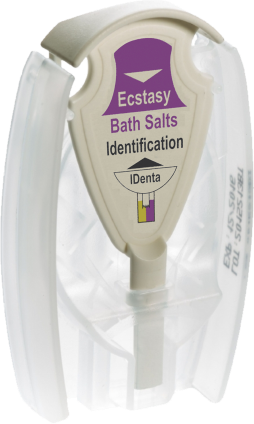
In another context, narcotics drug testing means testing the drug material itself. That may involve checking powders, pills, or other substances to identify whether they contain fentanyl, opioids, stimulants, adulterants, or unexpected compounds. For example, CDC states that fentanyl test strips can detect fentanyl in drug products. (cdc.gov)
A simple way to separate the two is this:
- Testing narcotics themselves: “What is in this substance?”
- Testing a person: “Is there evidence this person was exposed to a drug?”
- Testing for compliance or safety: “Does the result meet a workplace, clinical, legal, or treatment-program standard?”
How is testing narcotics themselves different from testing people for narcotics use?
Testing the substance focuses on the material. The sample might be a pill, powder, residue, liquid, or drug product. The result may identify the presence of a specific drug, such as fentanyl, or may signal that a substance needs more advanced laboratory analysis. This kind of testing does not prove who used the substance, when it was used, or whether a person is impaired.
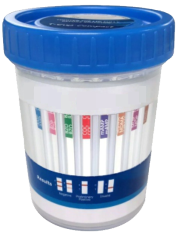
Testing a person focuses on a biological specimen. Urine drug tests, oral fluid tests, hair tests, blood tests, and other methods look for the parent drug, its metabolites, or related markers in the body. These results may show evidence of exposure within a detection window, but they usually do not tell the full story by themselves, especially when prescription medication, timing, test cutoff levels, or sample handling may matter. FDA explains that many drugs-of-abuse tests are qualitative, meaning they indicate whether a drug may be present rather than how much is present. (fda.gov)
The distinction matters because the next step is different. A substance test may guide safety decisions or harm-reduction actions. A person-based test may require confirmation, review, documentation, and interpretation under workplace, medical, or legal rules.
What are the most common drug testing methods?
Common drug testing methods include urine, oral fluid, blood, hair, sweat, and breath testing, although not every method is appropriate for every purpose. Urine drug tests are widely used because they are familiar, practical, and able to detect many drug classes. Oral fluid testing is often used when recent exposure is a key concern, while hair testing may be considered when a longer lookback period is needed.
Typical method selection depends on the purpose:
- Urine: common for workplace drug testing, treatment monitoring, and broad substance abuse testing.
- Oral fluid: useful when collection needs to be observed and recent use is relevant.
- Blood: often reserved for medical, forensic, or impairment-related contexts.
- Hair: may show a longer pattern of exposure, but it is not the same as proving current impairment.
- Sweat: may be used for extended monitoring in specific programs.
- Drug-product testing: used to identify what is in a substance, not what is in a person’s body.
No method is automatically “best.” The right choice depends on what needs to be detected, how quickly results are needed, what rules apply, and how the result will be used.
What do urine drug tests show?
Urine drug tests generally look for drugs or metabolites in urine. They are commonly used in workplace drug testing and substance abuse testing because they can screen for multiple drug classes and are supported by well-established collection and laboratory workflows. FDA’s home-use drug testing information notes that urine tests may detect drugs such as marijuana, cocaine, opiates, methamphetamine, amphetamines, PCP, benzodiazepines, barbiturates, methadone, ecstasy, and oxycodone, depending on the test design. (fda.gov)
A urine result usually speaks to exposure during a detection window, not necessarily impairment at the moment of collection. This is important for employers, families, and individuals to understand. A positive screen should not automatically be treated as final without considering confirmation, medication history, and the testing program’s rules.
Are rapid drug tests final results?
Rapid drug tests are often screening tools, not the final word. They are designed to provide quick preliminary information, usually by detecting whether a substance is present above a set cutoff. FDA advises that when an at-home test suggests drugs may be present, the sample should be sent to a laboratory for additional testing, and laboratory testing is the most reliable way to confirm druigs of abuse. (fda.gov)
This two-step mindset is important in serious decisions. A rapid result may help decide what to do next, but a confirmatory laboratory process is typically needed before taking major employment, legal, medical, or family action. That is especially true when a person reports prescribed medication, over-the-counter medication, or a possible testing error.
What affects drug test accuracy?
Drug test accuracy depends on the test type, specimen quality, collection procedure, storage conditions, cutoff levels, and confirmation process. FDA notes that accuracy can be affected by how the test was performed, how the test or urine was stored, what the person ate or drank, and prescription or over-the-counter drugs taken before testing. (fda.gov)
To improve reliability, testing programs should use clear procedures:
- Choose a method that matches the purpose of testing.
- Confirm which drug classes the test is designed to detect.
- Follow collection instructions exactly.
- Use proper specimen labeling and chain-of-custody steps when required.
- Send presumptive positives for confirmation when the result will affect serious decisions.
- Review legitimate medication explanations through the proper professional process.
Accuracy is not only about the device. It is also about training, documentation, timing, and interpretation.
Can a drug test be negative even if someone used narcotics?
Yes. A negative result does not always prove that no drug use occurred. The drug may be outside the detection window, the test may not include the specific substance, the amount may be below the cutoff, or the specimen may not reflect the timing of use. FDA cautions that no test of this type is 100% accurate and that several factors can lead to a negative result even when someone has abused drugs. (fda.gov)
This is one reason the testing purpose should be clear from the start. If the concern is immediate safety, a clinical assessment may be needed in addition to testing. If the concern is a workplace policy, the employer should follow the applicable policy and confirmation process instead of guessing from one result.
Can a drug test be positive because of prescribed medication?
Yes, a positive result can be related to prescribed medication, and a positive result does not automatically mean misuse. FDA notes that a positive test for a prescription drug does not by itself prove abuse, because the test cannot determine whether the drug was taken at an acceptable level or for a legitimate medical purpose. (fda.gov)
This is why many formal programs include review steps. In employment testing, medical review processes may help evaluate whether there is a legitimate medical explanation for a confirmed result. In healthcare or treatment settings, the result should be interpreted with medication history, clinical context, and the reason testing was ordered.
How does workplace drug testing usually work?
Workplace drug testing usually follows a written policy that explains who is tested, when testing occurs, which specimens may be collected, what substances are included, and what happens after a result. SAMHSA has mandatory guidelines for federal workplace drug testing using urine and oral fluid, and its workplace resources note that outcomes after a positive result may include referral to an Employee Assistance Program, treatment, or disciplinary action, depending on the agency, workplace, and circumstances. (samhsa.gov)
A practical workplace process often includes:
- A clear drug-free workplace policy.
- Employee notice and consent where required.
- Collection by trained personnel.
- Laboratory testing for non-negative screens when required.
- Medical review before final reporting in formal programs.
- Consistent action based on policy, law, and safety needs.
Employers should avoid improvising. Rules can vary by industry, role, state, and whether the program is federally regulated.
Which workplace drug testing rules are important to know?
Workplace rules depend on the employer and the regulatory setting. Federal workplace testing programs have specific requirements, while private employers may be governed by state law, industry obligations, contracts, safety-sensitive role requirements, or company policy. SAMHSA’s federal workplace FAQ states that the Mandatory Guidelines for Federal Workplace Drug Testing Programs using urine were effective February 1, 2024, and the oral fluid guidelines were effective October 10, 2023. (samhsa.gov)
For a non-federal workplace, the safest approach is to document the purpose and follow current legal guidance. Employers should be especially careful with post-accident testing, reasonable suspicion testing, return-to-duty testing, and prescription medication issues. Employees should ask for the written policy and use the designated review process if they believe a result has a legitimate explanation.
What is narcotics detection in substance testing?
Narcotics detection can refer to identifying narcotic or opioid-related compounds in a person’s specimen, or detecting those substances in a drug product. In person-based testing, the panel must actually include the relevant drug or drug class. A test that screens for one group of opioids may not detect every synthetic or semi-synthetic opioid unless the test is designed for it.
In substance testing, narcotics detection is about composition. For example, fentanyl test strips are intended to help detect fentanyl in drug products, but that does not make them a full laboratory analysis of everything in the sample. (cdc.gov) When the result matters for medical care, law enforcement, workplace action, or legal proceedings, more formal laboratory methods may be necessary.
What should a testing program define before choosing a method?
A testing program should define the question it needs answered before choosing any product or collection process. Testing without a clear purpose can create confusing results, privacy concerns, and poor decisions. The method should match the setting, the risk, and the action that may follow.
Before selecting drug testing methods, clarify:
- Purpose: employment, clinical care, treatment monitoring, safety, legal compliance, or harm reduction.
- Target: the drug product itself or a person’s biological specimen.
- Panel: which drug classes or specific substances need to be included.
- Specimen: urine, oral fluid, blood, hair, sweat, breath, or material sample.
- Timing: recent exposure, longer-term pattern, or immediate safety concern.
- Confirmation: when presumptive positives require laboratory confirmation.
- Authority: which policy, law, clinician, court, or program governs the result.
This checklist helps prevent the most common mistake: using one kind of drug test to answer a question it was not designed to answer.
What should someone do after a positive narcotics test?
The right response depends on whether the positive result came from a person-based test or a substance test. For a person-based test, avoid treating a preliminary screen as final when the result could affect employment, custody, treatment, discipline, or safety-sensitive decisions. FDA specifically advises not to take serious action based only on a home preliminary positive result and to use laboratory confirmation. (fda.gov)
For a substance test, a positive finding means the material may contain the detected substance, but it does not identify a user or prove impairment. If the situation involves overdose risk, medical symptoms, workplace exposure, or legal consequences, contact the appropriate medical, safety, or professional authority. When in doubt, preserve documentation, avoid assumptions, and use a qualified lab or regulated testing process.
How should families, employers, and programs talk about test results?
Test results should be discussed with clarity and restraint. A result is information, not the whole story. Person-based testing may show evidence of exposure, while drug-product testing may show what a substance contains. Confusing those two can lead to unfair conclusions or unsafe choices.
Use precise language whenever possible:
- Say “the urine screen was presumptive positive” instead of “the person is abusing drugs.”
- Say “the substance tested positive for fentanyl” instead of “this proves who used fentanyl.”
- Say “confirmation is needed” when the screen is preliminary.
- Say “this test does not answer that question” when the method does not match the concern.
Clear language improves fairness, reduces panic, and supports better next steps.
What is the key takeaway about narcotics drug testing?
The key takeaway is that narcotics drug testing is not one single process. Testing narcotics themselves identifies what may be in a substance, while testing people looks for evidence of drug exposure in a biological specimen. Those results answer different questions and should not be used interchangeably.
For the most reliable decisions, choose the right test for the purpose, understand the limits of screening, confirm important results, and follow the applicable workplace, clinical, or legal process. Whether the setting is workplace drug testing, substance abuse testing, harm reduction, or personal concern, careful interpretation matters as much as the test itself.