.png)
Blogs
Why Nitromethane is a Powerful Explosive: Key Insights
Why nitromethane is such a powerful explosive
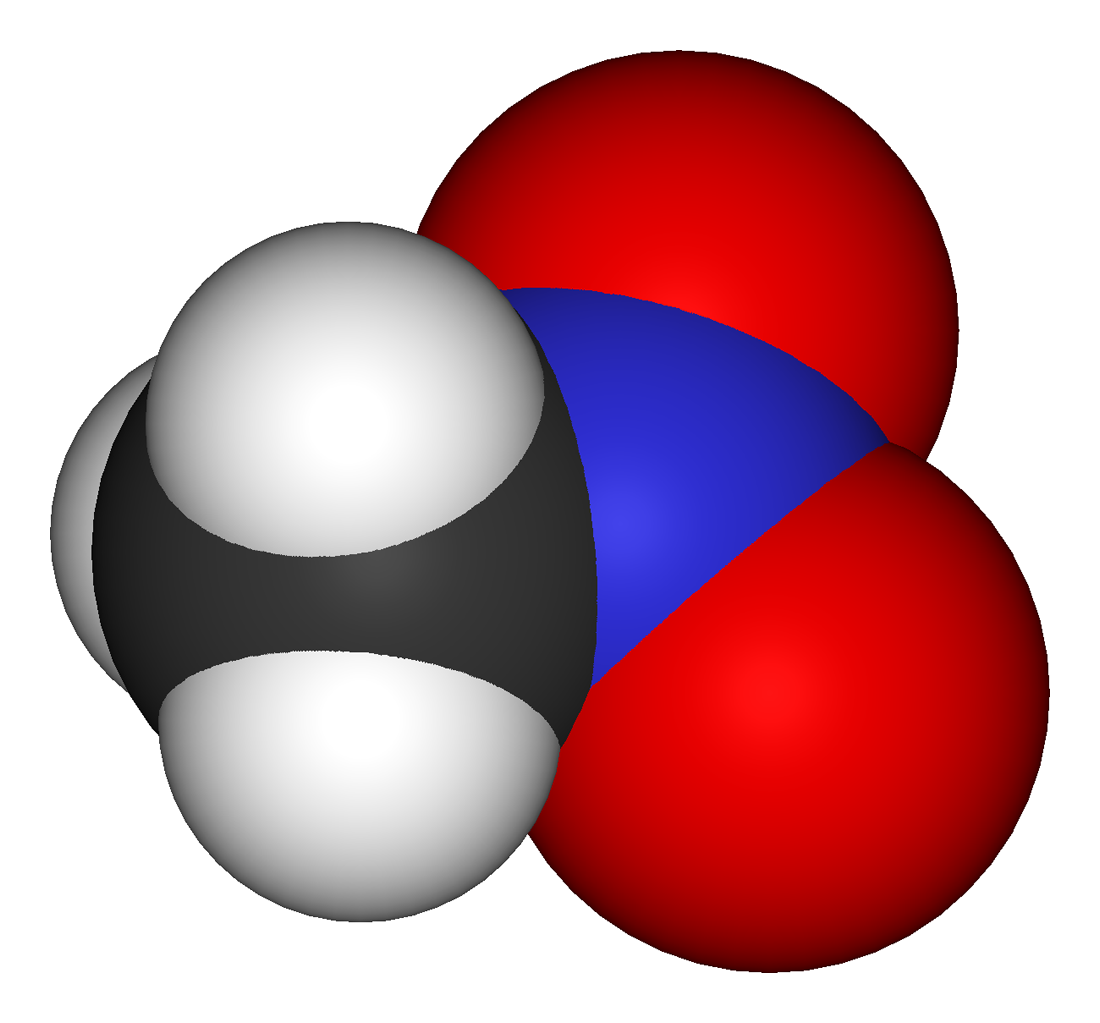
Nitromethane is a small organic compound with an outsized reputation because it combines fuel-like carbon and hydrogen with oxygen-bearing nitro chemistry in the same molecule. That internal arrangement helps explain why people ask, “Why nitromethane is such a powerful explosive?”—but the safer answer is not a recipe; it is a chemistry-and-safety explanation. This article looks at nitromethane properties, common nitromethane uses, broad nitromethane reactions, nitromethane hazards, and practical nitromethane safety principles without giving instructions for misuse.
Why is nitromethane so energetic?
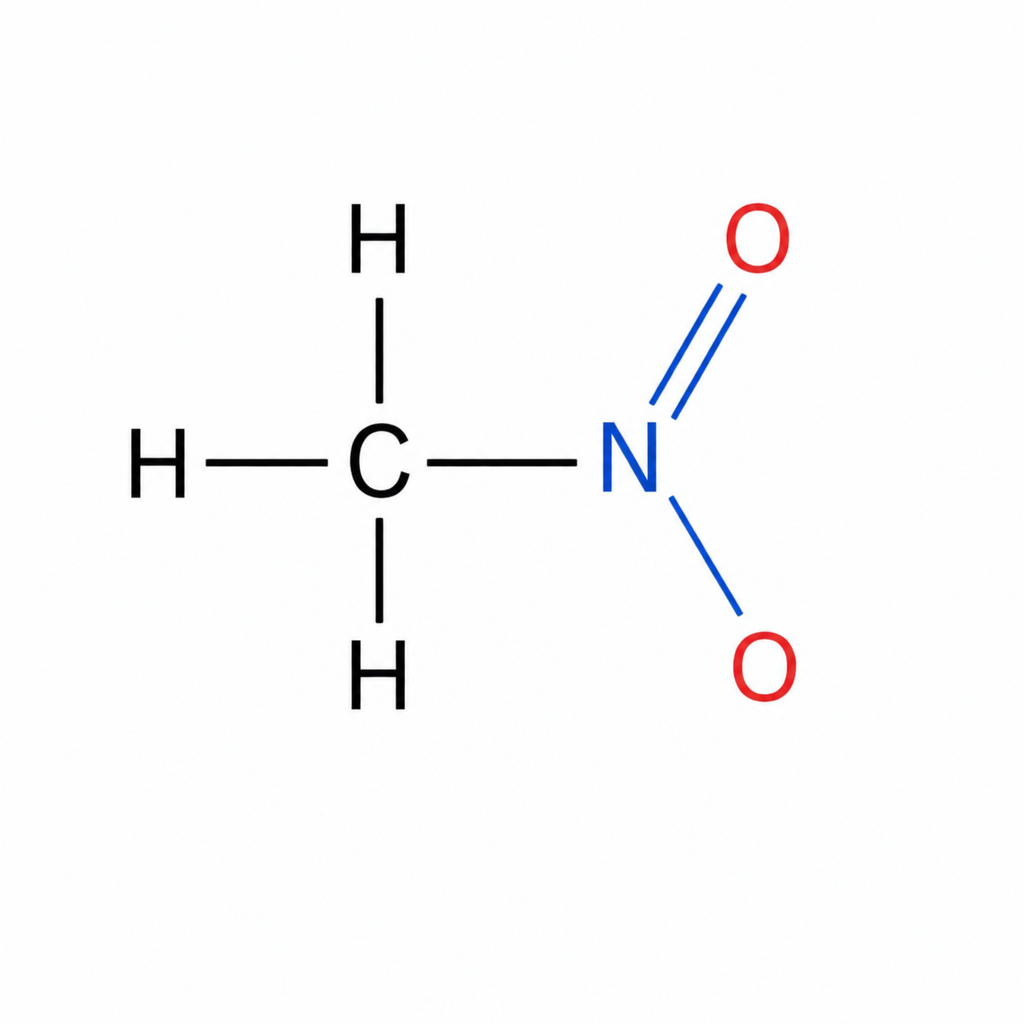
Nitromethane is energetic because its molecule contains both combustible parts and oxygen-rich functionality, so it can release energy rapidly when decomposition or combustion is triggered under the wrong conditions. Its formula is CH₃NO₂, and official chemical databases describe it as a colorless, oily liquid used in industrial and specialty settings, not as a casual household substance. OSHA lists nitromethane with a flash point of 95°F, an NFPA fire rating of 3, and an NFPA reactivity rating of 4, which signals that fire and reactive instability are central concerns. (osha.gov)
The key idea is chemical balance. A normal hydrocarbon fuel must pull oxygen from the surrounding air before it can burn efficiently. Nitromethane already carries oxygen within the molecule, so its combustion and decomposition behavior is different from ordinary fuels. That does not make it “safe oxygen in a bottle”; it makes it a reactive liquid whose behavior can become dangerous when heated, shocked, confined, contaminated, or mixed with incompatible materials. NOAA’s CAMEO Chemicals notes that nitromethane may explode if heated or strongly shocked, especially in certain incompatible mixtures. (cameochemicals.noaa.gov)
The molecular structure behind its power
Nitromethane belongs to a family known as nitro compounds. In simple terms, the methyl portion can act as fuel, while the nitro group changes how oxygen and nitrogen participate during rapid breakdown. When energetic materials react violently, the danger is not only heat; it is the sudden formation of hot gases and pressure. A liquid that can generate pressure quickly under confinement is far more hazardous than its calm appearance suggests.
This is why nitromethane’s everyday look can be misleading. It is not a powder, it does not look dramatic, and in ordinary containers it may appear like a clear solvent. Yet OSHA identifies it as a flammable liquid with a lower explosive limit of 7.3% in air, and NOAA identifies it as an ALOHA chemical used in emergency planning contexts. Those classifications exist because vapor, heat, pressure, and reactivity matter as much as the liquid itself. (osha.gov)
A useful way to understand its power is to separate three ideas: flammability, detonation potential, and chemical incompatibility. Flammability concerns whether vapors can ignite. Detonation potential concerns whether a rapid pressure-generating reaction can propagate through material under severe conditions. Incompatibility concerns whether contact with another substance can create a delayed, violent, or otherwise uncontrolled reaction. Nitromethane can present all three categories of concern depending on circumstances, which is why professional handling controls matter.
Nitromethane properties that shape its behavior
The most important nitromethane properties are not just numbers on a safety sheet. They help explain how the liquid behaves in storage, transportation, industrial use, and emergency response. OSHA lists nitromethane as a colorless, oily liquid with a disagreeable odor, molecular weight of 61.04, boiling point of 214°F, specific gravity of 1.139, and vapor density of 2.11. Those details show that it is relatively dense for an organic liquid and that its vapors are heavier than air. (osha.gov)
Heavier-than-air vapors are a practical concern because they may collect in low areas rather than dispersing immediately upward. A flash point below many warm workplace temperatures means ignition risk can become relevant without extreme heating. The NFPA reactivity rating noted by OSHA also reminds readers that the chemical’s danger is not limited to open flame. Reactivity hazards can arise from impact, heat, confinement, or incompatible contact. (osha.gov)
Key properties to understand at a high level include:
- Chemical identity: Nitromethane is CH₃NO₂, also known by the synonym nitrocarbol in some listings. (osha.gov)
- Physical form: It is commonly described by official sources as a colorless, oily liquid. (osha.gov)
- Fire behavior: OSHA identifies it as flammable, with a listed flash point of 95°F. (osha.gov)
- Reactive behavior: NOAA warns that it may explode if heated or strongly shocked, particularly with certain incompatible substances. (cameochemicals.noaa.gov)
- Health concerns: PubChem reports symptoms associated with inhalation exposure including cough, drowsiness, headache, nausea, sore throat, unconsciousness, and vomiting. (pubchem.ncbi.nlm.nih.gov)
These properties explain why nitromethane is treated as a controlled industrial hazard rather than a simple performance chemical. The same characteristics that make it useful in specialized settings also make casual handling risky.
What makes nitromethane reactions different from ordinary fuel reactions?
Nitromethane reactions differ from ordinary fuel reactions because nitromethane can participate in rapid oxidation-like chemistry without relying solely on atmospheric oxygen. In ordinary combustion, the fuel and oxygen source are mostly separate; in nitromethane, oxygen is chemically built into the molecule. That internal oxygen does not mean the compound “burns by itself” under all conditions, but it does help explain why its reaction profile is unusually intense compared with many common organic liquids.
Another difference is that nitromethane is both a solvent or chemical intermediate in some contexts and a reactive energetic material in others. PubChem describes nitromethane uses that include solvent roles, chemical intermediate roles, explosive applications in shaped charges, and fuel for professional drag racers and hobbyists. That range of uses can confuse people, because a substance that functions as a solvent in one controlled process can present severe hazards in another environment. (pubchem.ncbi.nlm.nih.gov)
The surrounding conditions make the difference. Heat, pressure, confinement, contamination, and incompatible materials can shift risk dramatically. NOAA’s CAMEO data warns of violent or explosive behavior with several incompatible categories and specific substances; the practical lesson is not to test compatibility casually but to rely on safety data sheets, professional chemical hygiene plans, and trained hazardous-materials personnel. (cameochemicals.noaa.gov)
Common nitromethane uses in controlled settings
Nitromethane uses are varied because the compound sits at the intersection of solvent chemistry, synthetic chemistry, fuels, and energetic-material research. PubChem notes its use as a solvent for adhesives, coatings, and other applications, as a chemical intermediate, as an explosive in shaped-charge contexts, and as a fuel in professional drag racing and hobbyist applications. These uses are not interchangeable, and each one requires its own controls. (pubchem.ncbi.nlm.nih.gov)
In motorsport contexts, nitromethane is valued because its oxygen content allows fuel-rich combustion characteristics that differ from gasoline. That is a performance-engineering topic, not a signal that the liquid is benign. Racing fuels are handled under rules, ventilation practices, fire controls, and equipment standards because the hazards are real even when the intended use is combustion rather than detonation.
In laboratory and industrial chemistry, nitromethane may be encountered as a polar organic solvent or reagent-related material. That setting still requires chemical compatibility review, labeling, ventilation, spill planning, and waste management. A chemical’s usefulness never cancels its hazard profile; it simply means trained people have developed controlled ways to use it for specific purposes.
Aluminized nitromethane and why extra fuel changes the hazard picture
Discussions of aluminized nitromethane explosive properties should stay at a safety-focused level. Broadly, adding a metal fuel such as aluminum to an energetic system can change heat output, reaction products, sensitivity, and pressure behavior. In professional energetic-materials engineering, such formulations are evaluated with specialized testing, purpose-built facilities, remote handling, and regulatory oversight. Outside that context, mixing reactive chemicals with metal powders is dangerous and should not be attempted.
The most important takeaway is that additives do not simply make a chemical “stronger” in a predictable way. They can introduce new ignition pathways, contamination risks, static concerns, settling behavior, and unexpected sensitivity changes. NOAA’s CAMEO profile specifically warns that nitromethane may explode if heated or strongly shocked, especially when mixed with certain incompatible materials, including aluminum powder among other listed concerns. (cameochemicals.noaa.gov)
For readers researching “aluminized nitromethane explosive properties,” the safe, practical answer is this: the presence of metal fuel can make an already hazardous energetic liquid more complex and less forgiving. It is not a home experiment, not a shortcut, and not a topic where informal online advice should be trusted. Only qualified professionals using approved facilities and documented procedures should evaluate energetic formulations.
Nitromethane hazards that deserve serious attention
Nitromethane hazards fall into several overlapping categories: fire, explosion, toxic exposure, incompatible reactions, and emergency-response complexity. OSHA’s chemical data page identifies nitromethane as a flammable liquid and assigns it significant NFPA fire and reactivity ratings. PubChem also notes potential health effects from exposure, including neurological and respiratory-type symptoms after inhalation. (osha.gov)
The health side matters because dangerous chemicals are often discussed only in terms of dramatic fire or blast outcomes. In real workplaces, exposure can happen through vapors, splashes, contaminated surfaces, or poor ventilation. Symptoms such as headache, drowsiness, nausea, sore throat, and unconsciousness are not minor inconveniences; they are warning signs that exposure control has failed and medical evaluation may be needed. (pubchem.ncbi.nlm.nih.gov)
The reactivity side is equally important. CAMEO Chemicals reports that nitromethane has dangerous incompatibilities and may react violently under certain conditions, including heating, strong shock, and contact with specific incompatible substances. It also notes emergency-response cautions that are not obvious to an untrained person. That is why nitromethane safety should be built around prevention, segregation, and professional response rather than improvisation. (cameochemicals.noaa.gov)
A safety-focused hazard checklist includes:
- Ignition risk: Keep away from heat, sparks, flames, and other ignition sources according to the applicable safety data sheet and workplace rules.
- Vapor risk: Use only with appropriate ventilation and exposure controls; vapors may create both health and fire concerns.
- Confinement risk: Avoid pressure buildup, sealed exposure to heat, or conditions that can turn decomposition into a violent pressure event.
- Compatibility risk: Do not mix with acids, bases, oxidizers, reducers, metal powders, or other materials unless a qualified chemical safety review explicitly approves it.
- Exposure risk: Treat inhalation, skin contact, eye contact, and ingestion as serious exposure routes requiring established first-aid and medical-response procedures.
- Emergency risk: Fires, spills, and contaminated containers should be handled by trained responders using current safety data and site-specific emergency plans.
Nitromethane safety starts with controls, not confidence
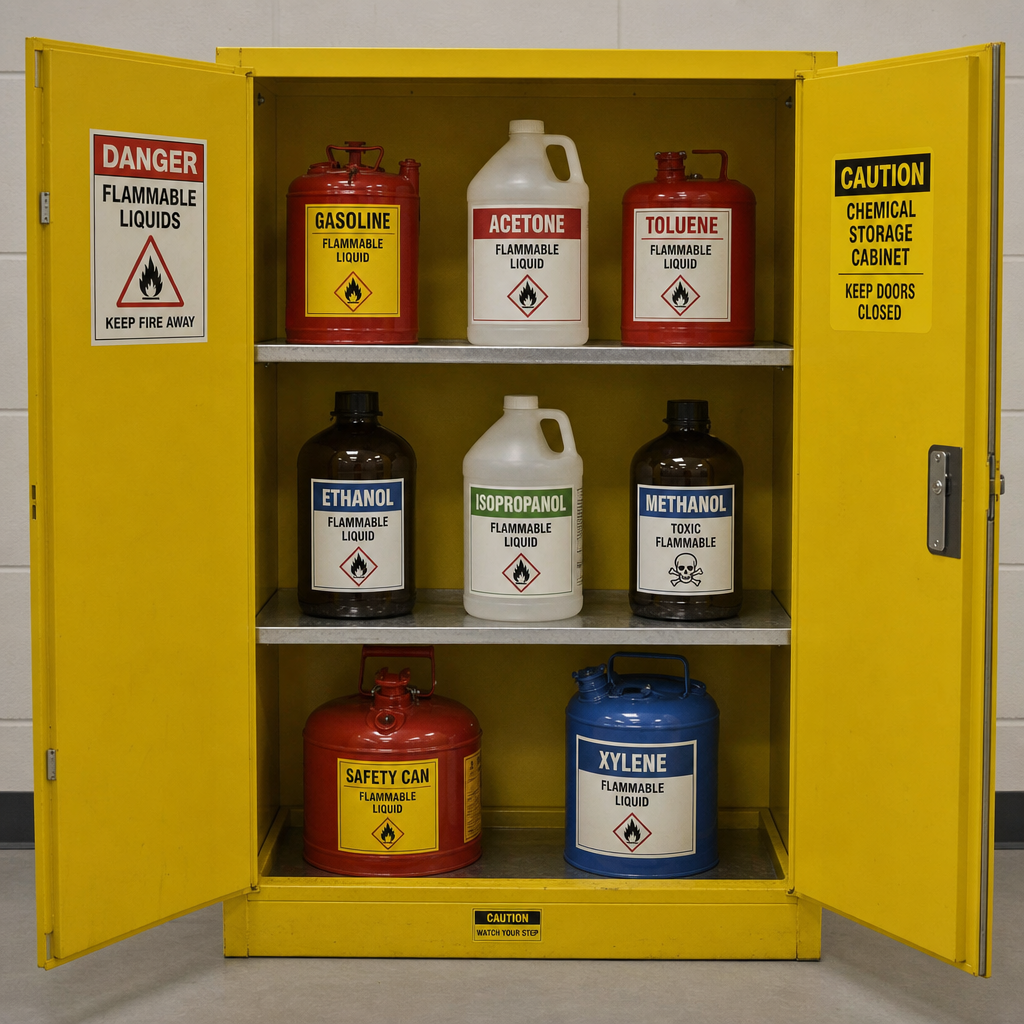
Nitromethane safety is not about being careful in a casual sense. It is about engineered controls, written procedures, compatible equipment, proper labeling, trained personnel, and emergency planning. The NIOSH Pocket Guide is intended to give workers, employers, and occupational health professionals industrial hygiene information for workplace chemicals, while OSHA’s chemical data page provides identification, physical-property, and monitoring-method information for nitromethane. (cdc.gov)
Good practice begins before the container is opened. Anyone responsible for nitromethane should review the current safety data sheet, confirm the exact concentration or product identity, identify incompatible materials nearby, and understand the site’s spill and fire response procedures. If those basics are not in place, the correct action is to stop and involve qualified safety personnel.
Practical safety principles include:
- Use authoritative documentation. Rely on the current SDS, institutional chemical hygiene plan, and recognized resources such as OSHA, NIOSH, and CAMEO rather than informal summaries.
- Store by compatibility. Keep nitromethane away from incompatible chemicals and materials, especially those flagged by the SDS or emergency-response databases.
- Control ignition and heat. Manage static, electrical equipment, hot surfaces, and open flames according to the hazard classification and site policy.
- Prevent contamination. Use clean, compatible containers and tools approved for the chemical; contamination can change reactivity.
- Plan for exposure. Ensure ventilation, personal protective equipment, eyewash or shower access, and medical-response procedures match the workplace risk assessment.
- Escalate uncertainty. If a container is damaged, unlabeled, aged, contaminated, or exposed to heat, do not handle it casually; isolate the area and call qualified responders.
These points may sound conservative, but conservative is the right posture. The danger with nitromethane is not only what it does under expected conditions; it is what it may do when conditions quietly become abnormal.
Why the “powerful explosive” label needs context
Calling nitromethane a powerful explosive can be accurate in some technical contexts, but it can also be misleading. Pure nitromethane is not the same as a primary explosive, and it is not automatically detonating under ordinary storage simply because it is energetic. However, official hazard sources make clear that it can present severe fire and explosion risks when heated, shocked, confined, contaminated, or combined with incompatible substances. (osha.gov)
The context matters because risk is conditional. A small amount handled in a controlled lab under a validated procedure is a different scenario from an unknown container in a garage, an overheated drum, a spill in a low-ventilation space, or an improvised mixture. The same molecule can be manageable or extremely dangerous depending on the controls around it.
That context is also why sensational explanations are unhelpful. The real lesson is not that nitromethane is “magic” or that its behavior can be reduced to one dramatic property. Its power comes from a combination of molecular oxygen content, fuel content, liquid density, vapor flammability, pressure-generating decomposition, and sensitivity to adverse conditions.
Responsible learning beats dangerous experimentation
Curiosity about energetic chemistry is normal. The safe path is to study concepts through textbooks, reputable safety databases, supervised coursework, and non-hazardous demonstrations designed for education. Nitromethane is not appropriate for informal experiments, improvised mixtures, or online “testing.”
If you encounter nitromethane at work, treat it as a professional chemical hazard. If you encounter an unlabeled or suspect container, do not sniff it, move it unnecessarily, heat it, mix it, or attempt disposal on your own. Contact the responsible safety officer, hazardous-waste program, fire marshal, or trained hazardous-materials team according to local procedures.
For educational purposes, the most useful takeaway is simple: nitromethane’s power is not one property but a convergence of properties. It is chemically compact, oxygen-bearing, flammable, reactive under dangerous conditions, and capable of severe consequences when mishandled. Understanding that combination supports respect, prevention, and safer decision-making.
Final takeaway
Nitromethane is powerful because its structure allows rapid energy release under hazardous conditions, especially when heat, shock, confinement, contamination, or incompatible materials are involved. Its legitimate uses in solvents, chemical production, motorsport, and specialized energetic applications do not make it safe for casual handling. The best answer to “Why nitromethane is such a powerful explosive?” is also the best safety lesson: its chemistry stores risk in a deceptively simple liquid, and that risk belongs only in controlled, professional environments.
To get the Nitromethane Test, click here.