.png)
Blogs
Understanding Ketamine: Effects, Risks, and Abuse
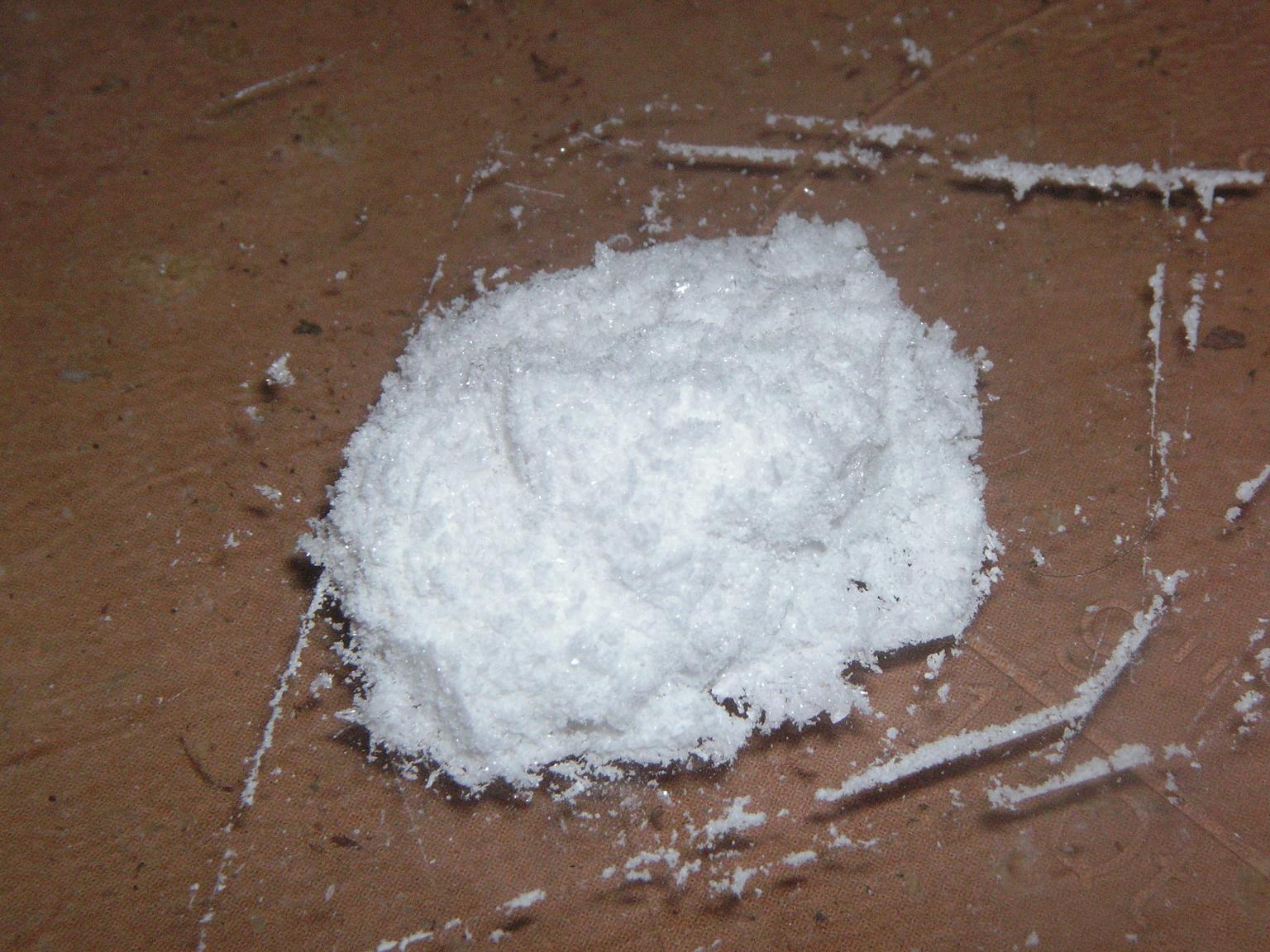
The effects of Ketamine as a street drug
Ketamine is a dissociative anesthetic that can distort perception, memory, movement, and the sense of being connected to the body. When used as a street drug, the same properties that can make a ketamine high feel unusual or detached can also create serious safety risks, especially when the drug is taken in unpredictable settings or mixed with alcohol, opioids, benzodiazepines, or other substances. This guide explains common ketamine effects, short- and long-term risks, warning signs of ketamine abuse, and when to seek help.
What happens during a ketamine high?
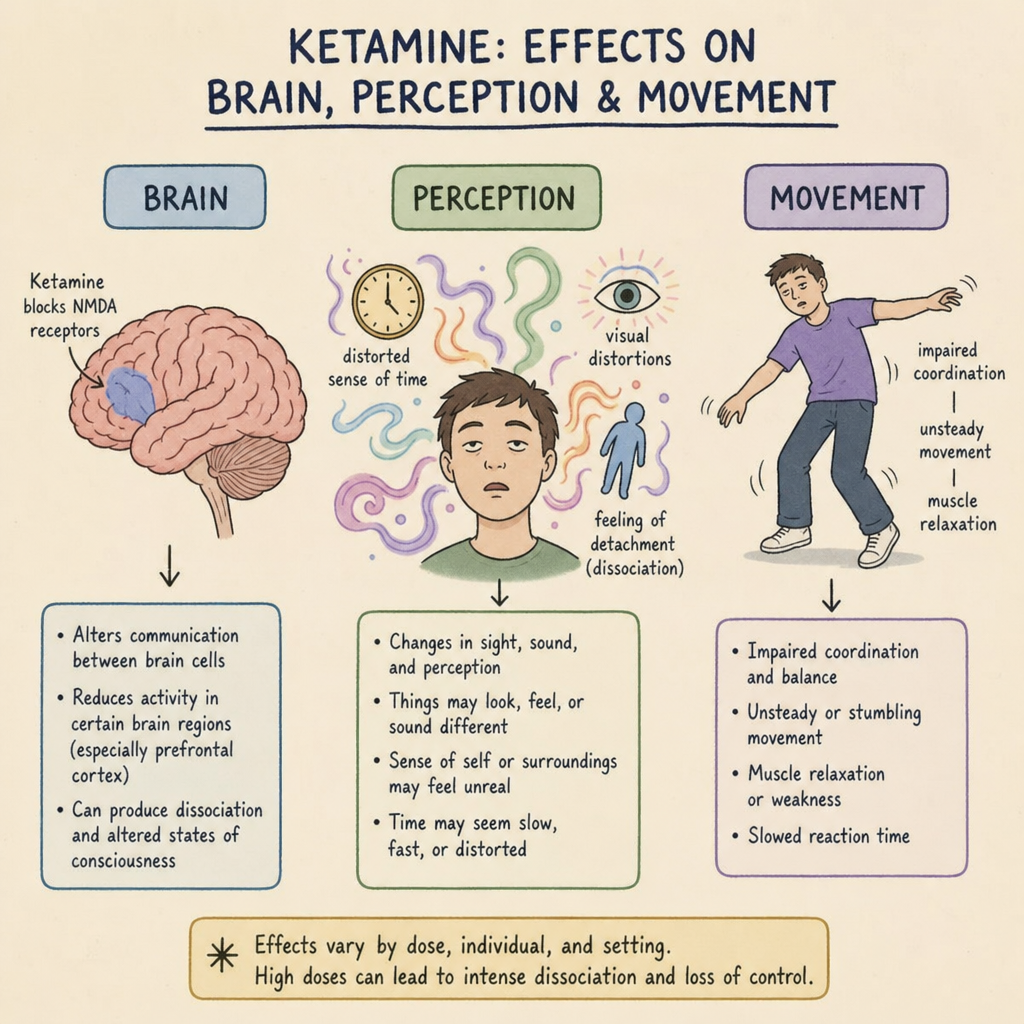
A ketamine high usually involves dissociation: a person may feel separated from their body, surroundings, emotions, or normal sense of time. Ketamine is used medically as an injectable anesthetic and, in a specific FDA-approved esketamine nasal spray, for treatment-resistant depression under strict monitoring; street use is different because dose, purity, setting, and supervision are unknown. The DEA describes ketamine as a dissociative drug with hallucinogenic effects, capable of causing sedation, immobility, pain relief, and amnesia. (dea.gov)
The experience can vary widely. Some people report a dreamlike or floating feeling, while others experience confusion, panic, frightening hallucinations, loss of coordination, or an inability to communicate clearly. Because ketamine can impair movement and memory, someone under its influence may be more vulnerable to falls, accidents, assault, unsafe decisions, or not recognizing danger in the moment.
At higher levels of intoxication, people may describe being in a “K-hole,” a slang term for intense dissociation that can feel like being unable to move, speak, or orient oneself. This is not a harmless or predictable state. A person may appear awake but be unable to respond normally, or may become so disoriented that others mistake a medical emergency for simple intoxication.
Ketamine as a medical drug versus a street drug
Ketamine’s medical use does not make nonmedical use safe. In clinical settings, ketamine or esketamine is administered with screening, dosing controls, monitoring, and trained staff who can respond to blood pressure changes, heavy sedation, dissociation, breathing problems, or psychiatric reactions. FDA-approved ketamine hydrochloride is approved as an intravenous or intramuscular anesthetic, while esketamine has a restricted program because of risks such as sedation, dissociation, respiratory depression, abuse, and misuse. (fda.gov)
Street ketamine lacks those safeguards. A person may not know the strength, what else is present, or how their body will respond that day. The environment also matters: loud events, crowds, dehydration, isolation, or mixing substances can make confusion and impaired judgment much more dangerous.
There is also a difference between supervised psychiatric care and unsupervised use. The FDA has warned that compounded ketamine products used outside appropriate monitoring may carry safety concerns, including sedation, dissociation, increased blood pressure, respiratory depression, misuse, abuse, psychiatric events, and urinary tract or bladder symptoms. (mindbydesignllc.com)
Short-term ketamine effects on the mind and body
The short-term ketamine effects people notice are often the reason the drug is misused, but they are also the source of many acute harms. Ketamine can affect perception, coordination, memory, attention, and body awareness at the same time. That combination makes it risky even when someone believes they are “experienced” or in control.
Common short-term effects may include:
- Dissociation and detachment: feeling outside the body, unreal, dreamlike, or disconnected from surroundings.
- Hallucinations or perceptual distortions: seeing, hearing, or sensing things differently than they are.
- Sedation and slowed reactions: feeling heavy, sleepy, calm, or unable to respond quickly.
- Impaired coordination: stumbling, poor balance, falls, or difficulty walking safely.
- Memory disruption: partial or complete gaps in what happened while intoxicated.
- Confusion and poor judgment: trouble understanding risk, consent, location, or time.
- Nausea or vomiting: especially dangerous if the person is heavily sedated or unable to protect their airway.
- Anxiety, panic, or paranoia: particularly when the experience becomes intense or frightening.
The DEA notes that ketamine can produce sedation, immobility, relief from pain, amnesia, dissociative sensations, and hallucinogenic effects. Those effects may sound abstract, but in real life they can mean someone cannot drive, navigate stairs, protect themselves, communicate clearly, or remember whether they used other substances. (dea.gov)

Why ketamine risks increase outside medical supervision
Ketamine risks increase when the drug is used without medical screening, controlled dosing, and observation. A person may have a heart, blood pressure, respiratory, psychiatric, bladder, pregnancy-related, or medication-related risk they do not know about. Even if they do know, intoxication can make it harder to notice symptoms early or ask for help clearly.
Street settings add several layers of unpredictability. The person using ketamine may not know the substance’s actual contents. Friends may not understand what to watch for. Emergency response may be delayed because bystanders are afraid, embarrassed, or assume the person will “sleep it off.”
Mixing substances is one of the biggest danger points. The CDC explains that polysubstance use can be intentional or unintentional and that mixing alcohol with other drugs can increase overdose risk and serious harm to the brain, heart, and other organs. (cdc.gov) Ketamine’s sedating and disorienting effects can become more hazardous when combined with alcohol, opioids, benzodiazepines, sleep medications, or other depressants.
Situations that can quickly become unsafe
Some ketamine side effects become more dangerous because of where and when they happen. The risk is not only what the drug does inside the body; it is also what the person cannot safely do while intoxicated.
High-risk situations include:
- Being alone while intoxicated. If someone becomes unresponsive, vomits, panics, or has trouble breathing, no one may be there to call for help.
- Driving, biking, swimming, or using machinery. Dissociation and delayed reactions can make ordinary tasks life-threatening.
- Using in crowded or unfamiliar places. Confusion may make it hard to find exits, friends, water, transportation, or medical support.
- Combining ketamine with depressants. Alcohol, opioids, benzodiazepines, and similar substances can intensify sedation and overdose risk.
- Using when distressed or unstable. Panic, paranoia, trauma reactions, or suicidal thoughts can worsen during intoxication.
- Ignoring bladder or urinary symptoms. Repeated ketamine use has been associated with lower urinary tract and bladder problems, and the FDA has identified such symptoms as a safety concern in ketamine-related warnings. (mindbydesignllc.com)
Ketamine side effects that should not be ignored
Some ketamine side effects require immediate attention. Call emergency services right away if someone is unconscious, cannot be awakened, has slow or irregular breathing, has blue or gray lips, is choking or vomiting while sedated, has chest pain, has a seizure, is severely confused, or may have taken ketamine with opioids, alcohol, benzodiazepines, or other drugs. It is safer to treat the situation as a medical emergency than to wait and hope symptoms pass.
Other warning signs may be less dramatic but still important. Repeated episodes of memory loss, blackouts, panic, injuries, risky sexual situations, missing work or school, or conflict with family and friends can signal that ketamine use is causing harm. So can using more often than intended, needing larger amounts to get the same effect, or feeling unable to enjoy social situations without the drug.
Urinary symptoms deserve special attention. Pain, urgency, frequent urination, blood in urine, or pelvic discomfort should be evaluated by a medical professional. People may feel embarrassed to mention ketamine use, but accurate information helps clinicians assess possible causes and avoid missing a serious problem.
How ketamine abuse can develop
Ketamine abuse can develop when someone keeps using ketamine despite harmful consequences or begins organizing social life, spending, mood regulation, or identity around the drug. Because ketamine can create emotional distance from stress, pain, boredom, or trauma, some people start using it not only for a high but also to escape feelings they do not know how to manage.
That pattern can be subtle at first. A person may begin by using occasionally at parties, then use after stressful weeks, then use alone, then use to recover from anxiety, loneliness, or sleep problems. Over time, the drug can shift from something occasional to something that feels necessary.
The risk is not limited to people who use every day. Binge patterns can also be harmful, especially when they involve heavy intoxication, blackouts, dangerous environments, or mixing substances. If someone repeatedly promises to stop or cut back but returns to use after a few days or weeks, that cycle is worth taking seriously.
Signs that recreational use may be turning into a problem
The line between experimentation and a developing substance use problem is often crossed gradually. Watch for patterns rather than a single incident.
Possible signs include:
- Using ketamine more often, in larger amounts, or in riskier settings than planned.
- Feeling preoccupied with the next opportunity to use.
- Spending money needed for bills, food, transportation, or responsibilities.
- Using alone or hiding use from partners, friends, family, or coworkers.
- Needing ketamine to feel social, creative, numb, calm, or confident.
- Having memory gaps, injuries, conflicts, or unsafe experiences while intoxicated.
- Continuing use despite bladder symptoms, anxiety, depression, panic, or relationship damage.
- Trying to stop but returning to use because cravings, mood changes, or social pressure feel too strong.
These signs do not mean someone is “bad” or beyond help. They mean the pattern is causing enough harm to deserve support, assessment, and a safer plan.
What does ketamine addiction look like?
Ketamine addiction can look like repeated use despite consequences, strong cravings, loss of control, and increasing reliance on the drug to manage emotions or experiences. Addiction is not defined by willpower alone; it is a health condition involving behavior, reinforcement, stress, environment, and brain systems related to reward and learning. The practical question is whether ketamine is taking up more space in a person’s life than they want it to.
Some people with ketamine addiction may still appear functional for a time. They may keep working, studying, or socializing, while privately using more than others realize. Others experience faster disruption: missed obligations, financial strain, mood instability, legal risks, unsafe relationships, or medical symptoms.
Withdrawal-like experiences can also make stopping hard. People may feel anxious, low, restless, irritable, unable to sleep, or pulled toward using again. Even when physical withdrawal is not the same as with alcohol or opioids, psychological cravings and habit loops can be powerful.
Factors that may increase vulnerability
No single factor predicts addiction, but several can raise risk. A person may be more vulnerable if they use ketamine to cope with trauma, grief, anxiety, depression, chronic pain, social fear, or emotional numbness. Risk may also increase when most friends use drugs, when access is easy, or when someone has a personal or family history of substance use disorder.
Mental health matters. If ketamine becomes a shortcut for dissociation, escape, or temporary relief, the underlying distress often remains unresolved. Over time, the person may need more support, not more intoxication.
Long-term health concerns linked to repeated use
Long-term street use can affect the body, mind, relationships, and daily functioning. The exact risks vary by frequency, amount, route, overall health, and other substances used, but repeated exposure increases the chance of persistent harm. The most important takeaway is that ketamine is not risk-free simply because some medical use exists.
Cognitive and emotional effects
Repeated ketamine misuse may interfere with memory, attention, motivation, and emotional stability. People may notice they feel foggy, detached, anxious, depressed, or less able to focus after periods of use. Because ketamine can create an artificial sense of distance from problems, it may also delay healthier coping, therapy, medical care, or relationship repair.
Some people experience lingering changes in perception or mood after the acute high ends. If someone has a history of psychosis, mania, severe anxiety, or suicidal thoughts, dissociative and hallucinogenic effects can be especially destabilizing. Any worsening mental health symptoms after ketamine use should be taken seriously and discussed with a qualified clinician.
Bladder and urinary tract problems
Bladder and urinary tract symptoms are among the best-known concerns associated with repeated ketamine misuse. People may experience frequent urination, urgency, pain, blood in urine, pelvic discomfort, or difficulty functioning because they constantly need the bathroom. FDA safety communications about ketamine have specifically identified lower urinary tract and bladder symptoms as concerns. (mindbydesignllc.com)
These symptoms can be embarrassing, which sometimes leads people to delay care. That delay can make problems worse. A clinician does not need moral explanations; they need accurate information about substances, symptoms, timing, and severity.
Accidents, injuries, and vulnerability
Ketamine’s effects on coordination and awareness increase the risk of falls, drowning, burns, traffic injuries, and unsafe encounters. Pain relief and dissociation may also prevent someone from recognizing an injury immediately. A person may wake up with bruises, cuts, lost belongings, or no memory of how they got home.
This vulnerability is one reason friends, families, and event staff should not dismiss heavy ketamine intoxication as a normal party scene. If someone cannot walk, speak coherently, stay awake, or protect themselves, they need care and supervision, not jokes or isolation.
Safer choices and harm reduction when ketamine is involved
The safest choice is not to use illicit ketamine. If someone is already using, harm reduction focuses on reducing the chance of death, injury, or long-term damage while encouraging honest support and treatment when needed. Harm reduction is not approval; it is a practical public health approach to keeping people alive and reachable.
A basic safety checklist includes:
- Do not mix ketamine with alcohol, opioids, benzodiazepines, sleep medications, or other sedatives. Combining substances can make effects stronger and more unpredictable, and CDC guidance warns that mixing alcohol with other drugs increases overdose and organ-harm risk. (cdc.gov)
- Do not drive or travel alone while intoxicated. Arrange safe transportation before any substance use occurs.
- Do not leave a heavily intoxicated person alone. Monitor breathing, responsiveness, vomiting, and temperature.
- Call emergency services for breathing problems, unconsciousness, seizures, severe confusion, chest pain, or suspected polysubstance use. Waiting can be dangerous.
- Be honest with medical professionals. Accurate information about ketamine and other substances helps them treat the real problem faster.
- Pay attention to repeated use patterns. Increasing frequency, secrecy, cravings, or consequences are reasons to seek support early.
For people who use drugs in environments where fentanyl or other potent substances may be present, it is also important to learn local overdose prevention resources. Ketamine itself is not an opioid, but unintentional polysubstance exposure is a recognized overdose concern, and counterfeit or contaminated drug supplies can create risks people did not choose. (cdc.gov)
Talking to someone about ketamine abuse
Conversations about ketamine use work best when they are specific, calm, and focused on safety rather than shame. Instead of saying, “You’re ruining your life,” it is usually more effective to say, “I’m worried because you blacked out twice this month and couldn’t remember how you got home.” Concrete examples are harder to dismiss and less likely to turn the conversation into a debate about identity.
Choose a time when the person is sober. Keep the goal small: opening the door, not forcing a confession. If they become defensive, return to care and boundaries: “I’m not here to attack you. I’m telling you what I’ve noticed and what I can and can’t be around.”
Support can include helping them book a primary care visit, find a therapist, contact a treatment referral service, or tell a trusted family member. It can also mean setting boundaries around drug use in your home, car, relationship, or social plans. Compassion does not require pretending the risk is small.
Getting help for ketamine addiction or risky use
Help is appropriate before a crisis. A person does not need to hit a dramatic “rock bottom” to talk with a professional about ketamine addiction, ketamine abuse, or other substance use concerns. Earlier support can prevent injuries, health complications, legal problems, and deeper dependence.
Useful starting points may include:
- Primary care or urgent medical care for bladder symptoms, injuries, blood pressure concerns, mental health changes, or medication interactions.
- A licensed therapist or counselor for anxiety, depression, trauma, stress, or patterns of using dissociation to cope.
- Substance use assessment through a treatment provider, community clinic, or behavioral health program.
- Peer support groups for accountability, shared experience, and practical recovery strategies.
- Emergency care if someone is at risk of self-harm, overdose, severe intoxication, or medical instability.
In the United States, SAMHSA’s National Helpline is a free, confidential, 24/7, 365-day-a-year service in English and Spanish for people and families facing mental health or substance use concerns. The number is 1-800-662-HELP (4357), and it can provide treatment referral and information. (samhsa.gov) If someone is in immediate danger, call 911; if there is suicidal thinking or a mental health crisis, call or text 988 in the U.S.
Key takeaways on ketamine effects and risks
Ketamine can produce dissociation, sedation, hallucinations, impaired coordination, and memory gaps. Those effects are the core of the ketamine high, but they are also why street use can become dangerous quickly. Medical use happens in controlled settings; street use does not.
The biggest ketamine risks come from unpredictability, impaired judgment, accidents, heavy sedation, mixing substances, repeated use, and delayed medical care. Ketamine side effects involving breathing, unconsciousness, seizures, chest pain, severe confusion, or urinary symptoms should never be brushed off. Repeated use that becomes secretive, compulsive, expensive, or emotionally necessary may point toward ketamine addiction.
The most protective step is honest support early. Whether the concern is one frightening episode or a long-running pattern, help is available, and getting it sooner can reduce harm before ketamine takes a larger toll on health, safety, and daily life.