.png)
Blogs
Suspects on PCP (Phencyclidine) Increase Dangers for Police Officers.

Why PCP (Phencyclidine) creates extra danger for police officers during arrests
PCP (Phencyclidine) can turn an already tense arrest into a fast-moving safety problem because it may distort perception, reduce pain awareness, and trigger paranoia, agitation, or unpredictable aggression. For police officers, the added danger is not simply that a person is “on drugs,” but that the person may misread commands, feel threatened by ordinary contact, or continue resisting after injuries that would normally slow someone down. Understanding the dangers of arresting a suspect high on PCP for police officers helps departments, families, and communities talk more realistically about crisis response, treatment, and risk reduction.
Why can PCP make arrests more dangerous?
A suspect on PCP can make arrests more dangerous because its effects may interfere with judgment, communication, threat perception, pain response, and physical coordination all at once. SAMHSA describes PCP as a dissociative drug, and hallucinogens can cause altered perception, confusion, disorientation, anxiety, panic, increased heart rate, and increased blood pressure; NIDA also lists PCP-related effects such as analgesia, psychosis, aggression, violence, hallucinations, slurred speech, and loss of coordination. When those symptoms appear during a police encounter, an officer may be dealing with someone who is frightened, confused, physically unstable, and difficult to redirect. (samhsa.gov)
That combination creates risk for everyone nearby. A person affected by PCP may not process verbal instructions in the usual way. They may interpret a lawful order as a threat, see danger that is not there, or react suddenly to touch, lights, crowd noise, or multiple officers speaking at once. The result can be a confrontation that escalates without the typical warning signs officers expect.
It is also important to avoid exaggeration. Not every person who has used PCP becomes violent, and intoxication alone does not define a person’s character. The issue is that certain Phencyclidine effects can increase the chance of dangerous behavior toward others, especially in a crowded, loud, or physically restrictive arrest setting.
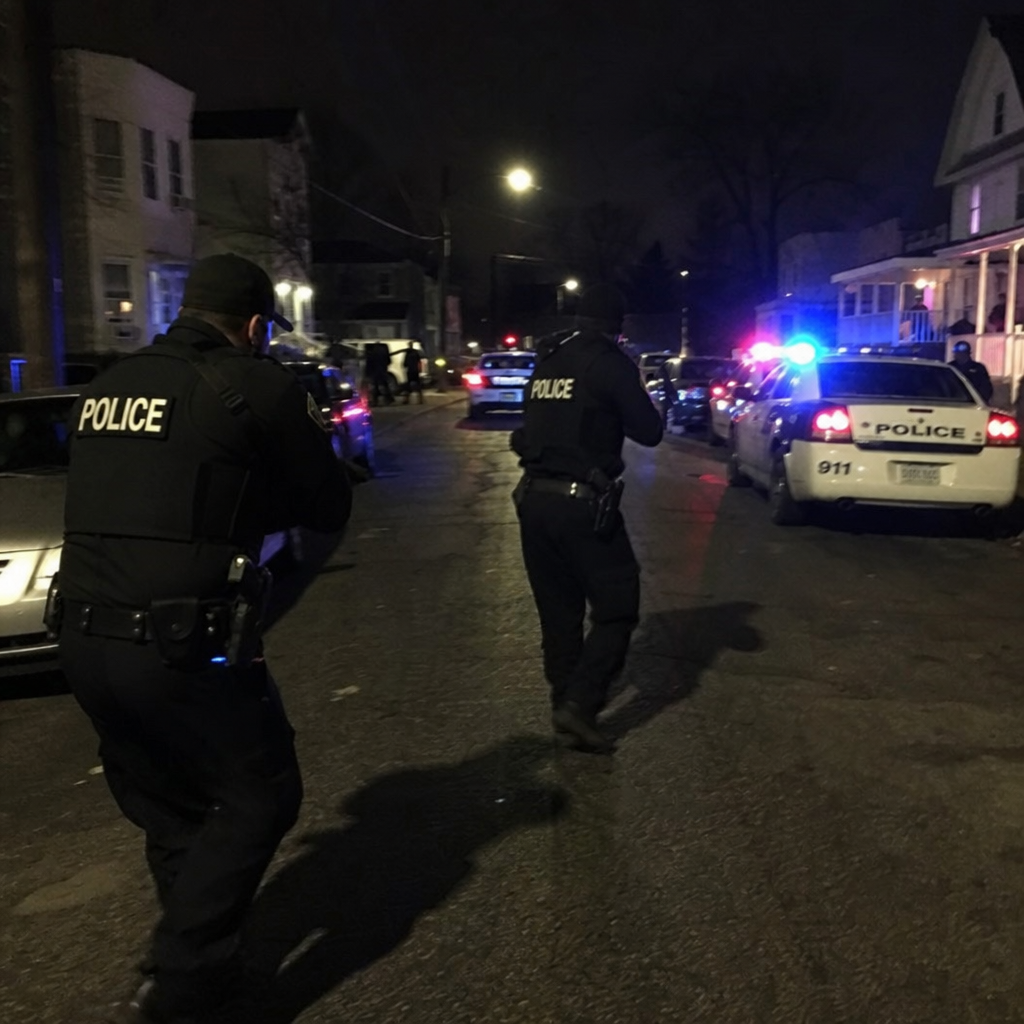
The behavioral effects that raise the threat level
The risks posed by a suspect on PCP that matter most during arrests are often behavioral rather than purely medical. PCP can affect how a person reads reality, how quickly they shift emotions, and how strongly they react to perceived threats. MedlinePlus notes that PCP can cause hallucinations, distorted perceptions, anxiety, paranoia, and violent behavior, while clinical summaries describe delusions, hallucinations, paranoia, problems thinking, anxiety, and, at high doses, violence and suicidal thoughts. (medlineplus.gov)
For police officers, these symptoms can change the meaning of ordinary arrest dynamics. A calm instruction to “put your hands behind your back” may not be understood as an instruction. A guiding hand on the arm may be experienced as an attack. A flashlight, radio traffic, siren, or gathering crowd may intensify fear or confusion.
Common PCP-induced behaviors that can endanger others include:
- Paranoid reactions: The person may believe officers, bystanders, relatives, or medical responders are trying to harm them.
- Sudden aggression: A person who seemed distracted or withdrawn may abruptly strike, push, run, grab, or charge.
- Resistance to control: Analgesic and dissociative effects may reduce normal pain feedback, making physical restraint harder and increasing the chance of injury.
- Disorganized movement: Loss of coordination, stumbling, or erratic running can endanger bystanders, traffic, officers, and the person experiencing intoxication.
- Threat misperception: Hallucinations or delusions may cause the person to respond to imagined dangers rather than the actual scene.
- Emotional volatility: Panic, fear, anger, and confusion can shift quickly, making negotiation harder.
This is why the dangers of a suspect on PCP are not limited to the user’s health. The same symptoms that create medical risk can also create an unpredictable public-safety risk for partners, family members, witnesses, emergency medical personnel, and responding officers.
Pain insensitivity changes the usual cues officers rely on
One of the most discussed PCP side effects is reduced pain awareness. NIDA lists analgesia among PCP-related effects, and a clinical review of PCP intoxication describes a classic presentation that may include violent behavior, nystagmus, tachycardia, hypertension, anesthesia, and analgesia. (nida.nih.gov)
In practical terms, pain insensitivity can remove feedback that usually changes behavior. A person may keep struggling despite falling, hitting a hard surface, or sustaining an injury. Officers may also misread this as intentional defiance when it is partly driven by intoxication, dissociation, or an altered sensory state.
This effect can raise the danger in several ways. First, the person may injure themselves without realizing it. Second, officers may have to manage continued resistance for longer than expected. Third, bystanders may move closer because the scene looks confusing or shocking, which adds more people to an already unstable environment. Finally, the person may later need urgent medical evaluation even if they did not appear to react to pain at the time.
Pain insensitivity does not make anyone invincible. It can, however, make a person less responsive to normal deterrents, more likely to continue unsafe movement, and less able to recognize when their own body is being harmed. That is a major reason suspects under the influence of PCP create dangers for police officers are often discussed alongside medical monitoring and de-escalation.
How do hallucinations and paranoia put others at risk?
Hallucinations and paranoia can put others at risk by causing the person to act against threats that are not actually present. SAMHSA explains that hallucinogens may cause people to see, hear, or feel things that are not present, experience altered surroundings, and have difficulty thinking clearly or making decisions. In an arrest, that can mean the person’s behavior is being driven by fear, confusion, or false beliefs rather than by what officers and witnesses can observe. (samhsa.gov)
This matters because arrests require rapid communication. Officers need a person to hear commands, understand boundaries, and respond predictably. PCP can interfere with each part of that process. Someone experiencing phencyclidine abuse may hear hostile voices, believe strangers are closing in, or feel detached from the physical space around them.
The danger toward others can look like:
- Defensive violence: The person believes they are protecting themselves from an imagined attack.
- Escape-driven behavior: The person runs into traffic, through crowds, or into private spaces without recognizing the danger.
- Object grabbing: The person reaches for nearby items as improvised protection because they feel surrounded.
- Misidentification: The person may confuse officers, family members, or bystanders with imagined enemies.
- Failure to comply: The person may not understand commands, even when they appear awake and physically active.
These behaviors are especially risky because they can happen quickly and may not follow a logical pattern. A person can seem calm for a moment, then react intensely to a sound, touch, or movement that others barely notice.
Physical effects can make scenes harder to stabilize
PCP does not only affect thoughts and emotions. It can also affect the body in ways that complicate arrests and emergency response. SAMHSA lists possible hallucinogen effects such as increased heart rate, increased blood pressure, increased body temperature, dilated pupils, and difficulty thinking clearly. DEA materials similarly note physiological effects of hallucinogens including elevated heart rate, increased blood pressure, dilated pupils, nausea, and vomiting. (samhsa.gov)
These physical symptoms create two overlapping concerns. The first is medical: the person may be at risk of a health emergency, especially if other drugs or alcohol are involved. The second is operational: sweating, agitation, vomiting, overheating, poor balance, or sudden collapse can change what officers and responders need to do minute by minute.
Loss of coordination is another important factor. A person may fall, stumble into traffic, crash into furniture, or swing their arms without clear intent. Even when the person is not trying to hurt anyone, erratic movement can injure others. That is one reason PCP risks are difficult to assess from a distance; behavior can shift from confused to combative to medically distressed in a short period.
The danger is greater when PCP is mixed with other substances
PCP intoxication becomes more unpredictable when alcohol, sedatives, stimulants, or other drugs are involved. SAMHSA notes that hallucinogen effects vary depending on the substance, amount taken, personal health, and whether other drugs or alcohol are used at the same time. MedlinePlus also warns that PCP is often mixed with other substances and that high doses can have dangerous effects on body functions. (samhsa.gov)
For police officers, mixed substance use can blur the signs. A person may show stimulant-like agitation, depressant-like sedation, or alternating periods of both. One moment they may shout and resist; the next, they may seem drowsy, confused, or physically unstable. This makes it harder to predict whether the immediate need is distance, medical care, containment, calming communication, or all of those at once.
Mixed substance use can also increase the risk to others because impairment is layered. Alcohol may lower inhibition. Stimulants may increase agitation. Sedatives may impair breathing or consciousness. PCP may add hallucinations, paranoia, dissociation, and pain insensitivity. The result can be a scene where ordinary assumptions about behavior do not hold.
Practical warning signs that suggest elevated risk
No checklist can diagnose PCP use in the field, and many symptoms overlap with mental health crises, trauma, medical emergencies, or other substances. Still, certain signs may suggest elevated risk and the need for caution, medical support, and careful communication.
Potential warning signs include:
- Extreme confusion or disorientation
- Paranoid statements or fear of people who are not threatening them
- Reports of seeing, hearing, or feeling things others do not perceive
- Unusual pain tolerance after falls, strikes, or injuries
- Sudden shifts from quiet behavior to explosive agitation
- Poor coordination, stumbling, rigid posture, or erratic movement
- Slurred speech or difficulty following simple instructions
- Heavy sweating, overheating, vomiting, or signs of medical distress
- Attempts to flee into traffic, crowds, water, heights, or confined spaces
- Aggression toward family, bystanders, officers, or medical responders
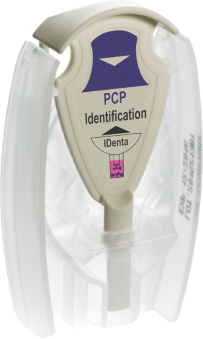
These signs are not proof of PCP addiction or intoxication. They are risk indicators. The safer interpretation is that the person may not be able to process the encounter normally and may need both public-safety control and medical evaluation. If the substance can be found on the suspect or at the crime scene, field tests can give you a better idea of what you are dealing with.
A safer response mindset protects everyone
A safer response mindset starts with recognizing that PCP-related behavior may be irrational, fear-driven, and medically risky at the same time. This does not remove accountability for violence, but it changes how the danger should be understood. The person may be dangerous because their perception and body responses are altered, not because they are making clear, calculated choices in the moment.
Useful principles include:
- Create time when possible: Slowing the pace may reduce panic and give responders more room to assess.
- Reduce unnecessary stimulation: Loud arguing, crowding, flashing lights, and multiple people shouting can worsen confusion.
- Use simple communication: Short, calm instructions are easier to process than rapid or complex commands.
- Watch bystander safety: Family members may try to help and accidentally move into the danger zone.
- Treat injuries seriously: Reduced pain response can hide trauma.
- Bring medical support early: PCP side effects can include both behavioral crisis and physical instability.
These are broad safety concepts, not a substitute for agency policy, legal standards, medical protocols, or professional training. The main point is that the dangers created by suspects under the influence of PCP for police officers are also dangers for the intoxicated person and the public. A controlled, medically aware response is often safer than treating the encounter as ordinary noncompliance.
What role does PCP addiction play in repeated police contact?
PCP addiction can contribute to repeated police contact when compulsive use continues despite harm to health, relationships, employment, housing, or legal stability. SAMHSA describes substance use disorder as a condition involving continued substance use despite harmful consequences, and repeated drug use can make cravings harder to resist. When phencyclidine abuse becomes part of a broader pattern of crisis behavior, communities may see repeated calls involving disturbance, erratic behavior, trespassing, threats, domestic conflict, or medical emergencies. (samhsa.gov)
This does not mean every person who uses PCP has an addiction, and it does not mean treatment is simple. MedlinePlus notes there is no medication that blocks PCP’s effects to reduce use, so support often depends on behavioral treatment, safety planning, and connection to substance use services. (medlineplus.gov)
The public-safety implication is clear: arrest alone rarely addresses the underlying risk if PCP use continues. When available, referral pathways, crisis teams, treatment access, and family education can reduce the chance that the next contact happens under worse conditions.
Community awareness reduces preventable harm
Families, housing staff, outreach workers, and community members can play a role before police are ever called. Recognizing PCP dangers early may prevent an intoxicated person from driving, confronting strangers, wandering into traffic, or escalating a conflict at home. If someone appears severely disoriented, paranoid, physically unstable, overheated, violent, or unable to respond coherently, the situation may require emergency help rather than informal negotiation.
People nearby should avoid crowding, arguing, mocking, filming at close range, or trying to physically overpower the person unless there is an immediate need to prevent harm. Those reactions can intensify fear and increase danger to others. Calm distance, clear information for responders, and removal of uninvolved people from the area are often more useful.
For longer-term prevention, the focus should shift from shame to support. PCP addiction and phencyclidine abuse are serious issues, but stigma can make families delay help until a crisis becomes public. Treatment referral, mental health assessment, and practical safety planning are better tools than denial or confrontation.
The key takeaway
PCP creates extra danger during arrests because it can distort reality, reduce pain awareness, increase paranoia, impair coordination, and trigger sudden aggression or panic. Those phencyclidine effects can make a person dangerous toward others even when their behavior is confused, fear-driven, or medically unstable rather than planned.
For police officers, the central challenge is unpredictability. Commands may not be understood, pain may not stop resistance, and ordinary arrest cues may not apply. For communities, the lesson is just as important: PCP risks are not only individual health risks. They can become public-safety risks that affect families, bystanders, emergency responders, and the person in crisis.
A realistic conversation about PCP should avoid both sensational myths and dangerous minimization. The drug’s effects can be severe, especially when mixed with other substances or paired with panic, psychosis, or a chaotic scene. Awareness, early medical involvement, treatment access, and calm crisis response can reduce harm before an arrest becomes a tragedy.