.png)
Blogs
Rise of Synthetic Street Drugs: Causes & Impact
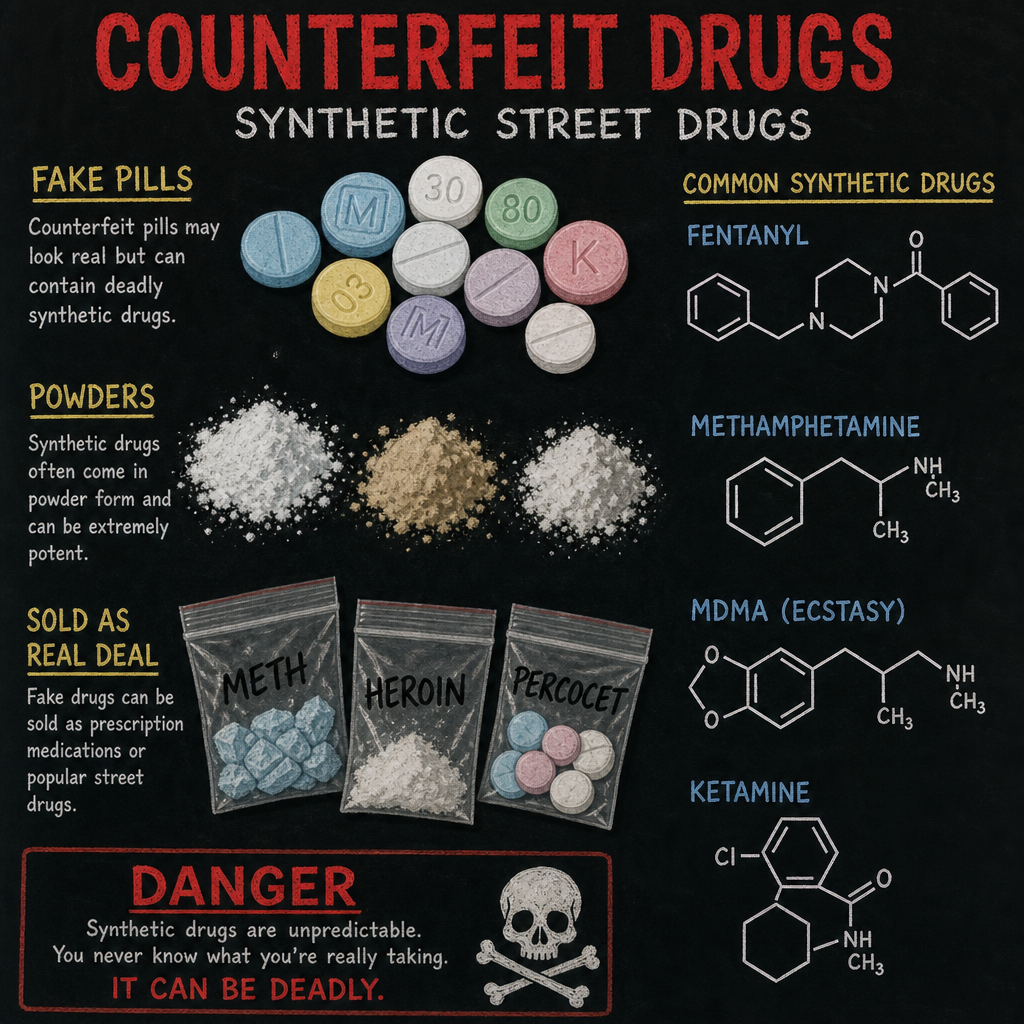
What has led to the rise in synthetic drugs
Synthetic drugs have risen because they are cheaper to produce, easier to modify, harder to regulate quickly, and well suited to modern illegal supply chains. Unlike plant-based drugs that depend on crops, seasons, and large cultivation areas, many synthetic street drugs can be made from chemical precursors, moved in small quantities, and sold under constantly changing names. This guide explains the economic, legal, social, and public health forces behind the synthetic street drugs rise, with a focus on designer drugs, new psychoactive substances, synthetic cannabinoids, and the broader drug abuse risks they create.
Why are synthetic drugs rising so quickly?
Synthetic drugs are rising quickly because illegal markets reward substances that are potent, compact, adaptable, and difficult to detect. A small change in chemical structure can create a new psychoactive substance that feels familiar to users but may not yet be clearly identified in drug laws, toxicology screens, or public health alerts. UNODC describes new psychoactive substances as substances of abuse that are not controlled under the main international drug conventions but may still pose a public health threat. (unodc.org)
The rise is not caused by one factor. It is the result of several pressures working together: demand for strong and inexpensive intoxication, online distribution, gaps in regulation, inconsistent access to treatment, and the high profit margins created by potent synthetic compounds. Some people seek synthetic drugs intentionally, while others are exposed unknowingly when street drugs are adulterated, mislabeled, or pressed into counterfeit pills.
That unpredictability is a major part of the danger. A product sold as one drug may contain another, and a familiar-looking pill or powder may contain a much stronger substance than expected. DEA notes that fentanyl, a synthetic opioid, has been identified in counterfeit pills made to resemble pharmaceutical drugs such as oxycodone. (dea.gov)
The basic difference between traditional and synthetic street drugs
Traditional street drugs are often associated with plants: cannabis, coca, opium poppy, or psilocybin mushrooms. Synthetic drugs, by contrast, are made or altered through chemical processes. Some are created to mimic the effects of controlled substances. Others are developed from pharmaceutical research, diverted chemicals, or informal experimentation and then sold outside medical or legal oversight.
This distinction matters because synthetic drugs can change faster than public systems can respond. A plant-based drug market may shift over time, but the underlying substance usually remains recognizable. Synthetic markets can produce new versions, blends, and analogues at a much faster pace. UNODC groups many synthetic new psychoactive substances by effect, including synthetic cannabinoid receptor agonists, stimulants, opioid receptor agonists, sedatives, hallucinogens, and dissociatives. (unodc.org)
Common categories include:
- Synthetic cannabinoids These are man-made chemicals that interact with cannabinoid receptors but are not the same as cannabis. They may be sprayed onto plant material, added to liquids, or sold under names such as Spice or K2. CDC warns that synthetic cannabinoids are not cannabis or cannabinoid medicines and can cause unpredictable, harmful, and even life-threatening effects. (cdc.gov)
- Synthetic opioids This category includes fentanyl and other opioid-like compounds. Some have legitimate medical uses under strict control, while others appear only in illicit markets. Their high potency makes them profitable for traffickers and dangerous for people who may not know what they are taking.
- Synthetic stimulants These substances may be sold as “bath salts,” research chemicals, party drugs, or substitutes for cocaine, MDMA, or amphetamines. Effects can vary widely depending on the compound, dose, and other substances involved.
- Designer drugs and research chemicals The term designer drugs often refers to substances chemically designed to imitate or modify the effects of known drugs. Marketing language may make them sound novel, legal, or cleaner than older street drugs, but novelty does not mean safety.
Profit and efficiency changed the drug market
One of the strongest forces behind the rise of synthetic drugs is simple economics. Synthetic production can reduce dependence on farmland, weather, harvesting, and bulky plant material. In illegal markets, that creates a major advantage: more product can be created, transported, and concealed with less physical volume.
Potency also changes the business model. A highly potent compound can be moved in smaller amounts and still supply many doses after dilution, mixing, or pill pressing. For traffickers, this can mean lower transportation risk and higher profit. For users, it can mean greater overdose risk because tiny differences in amount or mixing can have serious consequences.
This economic logic helps explain why some synthetic substances spread even when public awareness of their dangers increases. Illegal markets do not optimize for safety. They optimize for supply, demand, concealment, and profit. If a compound is cheap, potent, available, and easy to distribute, it can become common even when it is far more unpredictable than the drug it replaces or imitates.
The same logic applies to counterfeit pills. A pill that looks like a familiar medication may be cheaper to produce with illicit synthetic ingredients than with the substance the buyer expects. That false sense of familiarity is one reason counterfeit products are so dangerous.
Chemical adaptability keeps the market moving
Synthetic drugs are unusually adaptable. When one compound is controlled, suppliers may move to a slightly altered analogue, a different mixture, or a new class of substances. This does not mean every new compound is legally unregulated everywhere, but it does mean enforcement and public health agencies often have to identify, test, schedule, and communicate risks after a substance has already appeared.
UNODC’s Early Warning Advisory was created to help track the emergence of new psychoactive substances and share information from laboratories, law enforcement, and toxicology sources. Its continued monitoring reflects a key reality: the market is not static. In 2026, UNODC reported that its global forensic early warning system was monitoring more than 1,500 psychoactive substances, with synthetic cannabinoids and synthetic opioids among the largest groups of newly reported substances. (unodc.org)
This chemical churn creates several practical problems:
- Testing lags behind the market. Standard screens may not detect every new compound immediately.
- Medical response becomes harder. Clinicians may see symptoms before they know the exact substance involved.
- Legal responses take time. Scheduling or banning specific substances can be slower than market adaptation.
- Users cannot rely on appearance. Pills, powders, plant material, or vape liquids may look ordinary but contain unexpected compounds.
For people using street drugs, the result is a more volatile risk environment. Even experienced users may misjudge potency, duration, interaction risk, or withdrawal effects when the actual substance is unknown.
How have laws and loopholes influenced designer drugs?
Drug laws have influenced designer drugs by creating pressure to evade existing controls. When a specific substance is prohibited, some suppliers search for a chemical cousin that produces similar effects but is not yet clearly covered by the same law or not yet known to authorities. This cat-and-mouse pattern has helped drive the appearance of new psychoactive substances.
That does not mean laws alone caused the synthetic street drugs rise. Demand, profit, global production networks, and online distribution all matter. However, substance-by-substance regulation can struggle when illegal chemists and suppliers repeatedly change formulas. Broad analogue laws and emergency scheduling can close some gaps, but they also require scientific identification, legal clarity, and enforcement resources.
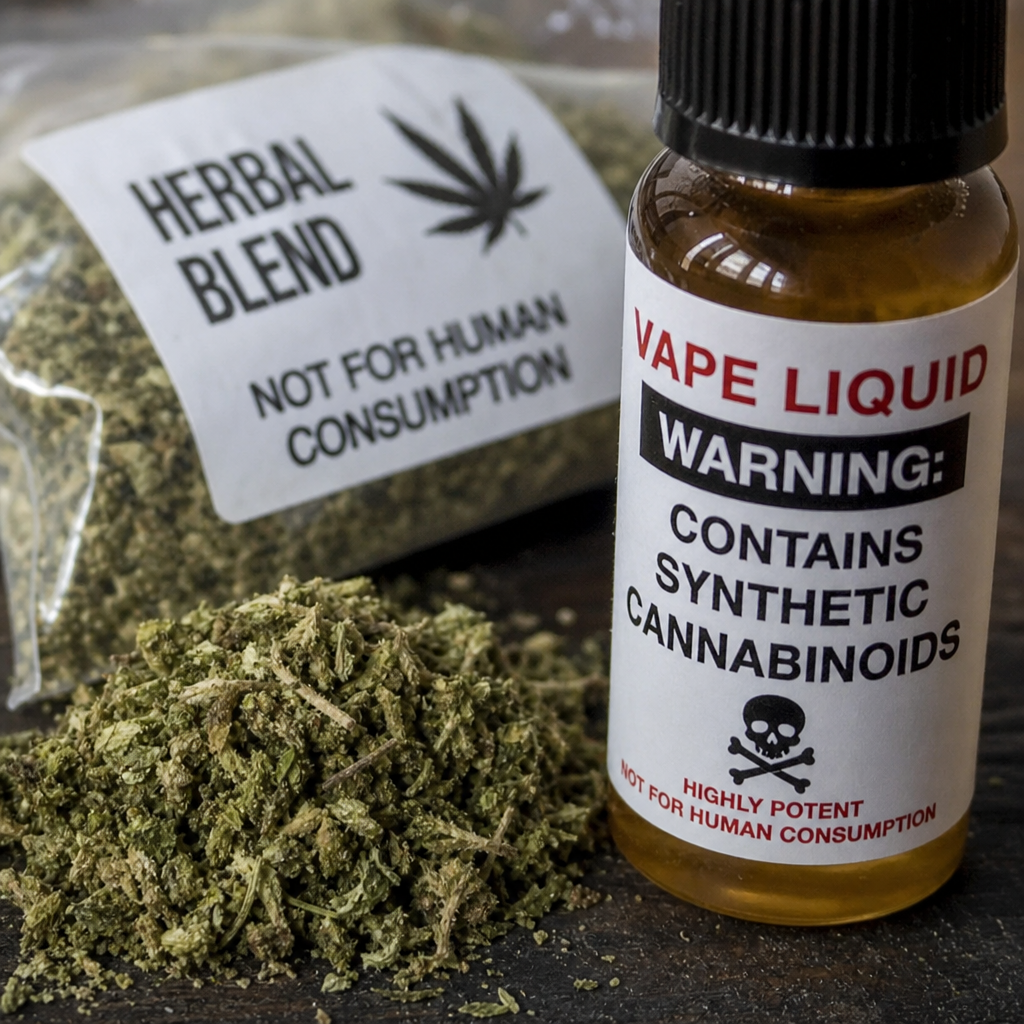
The word “legal” is especially misleading in this space. Products have often been sold with labels such as “not for human consumption,” “herbal incense,” or “research chemical” to create a false impression of legitimacy. A substance may be newly marketed, poorly detected, or ambiguously labeled, but that does not make it safe. It may still be illegal, toxic, contaminated, or capable of causing dependence, psychosis, overdose, or other harms.
For the public, the practical lesson is simple: legality is not a safety standard. Many synthetic substances reach people before their short-term and long-term effects are well understood.
Online markets and social media expanded access
The internet has made synthetic drugs easier to advertise, discuss, purchase, and normalize. Online spaces can spread warnings and harm reduction information, but they can also create demand by making obscure compounds seem accessible and familiar. A person who might never encounter a particular designer drug locally may still find it through online forums, encrypted messaging, social media, or sellers using coded language.
Online distribution also helps suppliers rebrand products quickly. If one name becomes associated with overdoses or enforcement, a substance can be repackaged under another name. This is common with street drugs generally, but synthetic substances are especially suited to rebranding because users may not know the chemical identity in the first place.
Digital marketing can blur the line between drug culture and consumer culture. Products may be presented with colorful packaging, flavor names, wellness-like language, or claims of purity. These cues can lower perceived risk, especially among younger users or people who associate packaging with regulation. In illicit markets, however, professional-looking packaging is not proof of quality control.
Synthetic cannabinoids show how misleading labels can be
Synthetic cannabinoids are a clear example of how names can confuse risk. The word “cannabinoid” can make these products sound like cannabis, but CDC states that synthetic cannabinoids are man-made chemicals and are not cannabis or cannabinoid medicines. They are often sprayed onto dried plant material or sold as liquids for vaping devices. (cdc.gov)
The health effects can be severe because these compounds may act differently from THC, may be present in uneven amounts, and may be mixed with other substances. CDC has warned that synthetic cannabinoid products can be toxic and that effects can be unpredictable and life-threatening. (archive.cdc.gov)
Several factors have contributed to their spread:
- Avoidance of drug tests. Some people have used synthetic cannabinoids because they believe they are less likely to appear on standard cannabis tests.
- Low cost. Products may be sold cheaply compared with other street drugs.
- Deceptive branding. Packaging may suggest herbs, incense, or legal alternatives.
- High variability. Different batches may contain different compounds or strengths.
- Use in controlled environments. Settings such as prisons, shelters, and other high-surveillance environments may be vulnerable when small, potent, hard-to-detect substances circulate.
The central issue is not just that synthetic cannabinoids exist. It is that they are often consumed under false assumptions: that they are similar to cannabis, that a familiar brand name means a consistent product, or that “synthetic” means refined and predictable.
Demand is shaped by stress, access, and untreated needs
Supply explains only part of the rise. Synthetic drugs spread because people use them, and people use drugs for many reasons: pleasure, curiosity, pain relief, trauma, dependence, withdrawal avoidance, social belonging, or escape. Focusing only on traffickers misses the human conditions that make risky substances attractive or difficult to avoid.
In communities with limited access to mental health care, addiction treatment, stable housing, or economic opportunity, drug abuse can become more entrenched. Some people turn to cheaper or stronger substances when tolerance increases or when preferred drugs become unavailable. Others encounter synthetic substances unintentionally because the illicit supply has changed around them.
This is especially important with opioids. A person seeking heroin, counterfeit pain pills, or another depressant may be exposed to fentanyl or another synthetic opioid without intending to use it. In that situation, the rise of synthetic drugs is not simply a matter of preference. It is also a matter of contamination, substitution, and market replacement.
Prevention messages are more effective when they recognize this complexity. Telling people that drugs are dangerous is not enough if the drug supply is unpredictable and the reasons for use remain untreated.
Globalization made chemical supply chains more complex
Modern synthetic drug markets are connected to global chemical supply chains. Precursor chemicals, pill presses, packaging, online payment systems, and shipping networks can cross multiple jurisdictions. Even when governments regulate one chemical pathway, suppliers may seek substitutes or route materials through different channels.
This global structure creates an enforcement challenge. A synthetic substance may be designed in one place, produced in another, pressed into pills elsewhere, and sold through local networks far from the source. Each step may involve different actors who do not need to control the whole chain.
Global monitoring systems exist because no single country can fully understand the synthetic drug market alone. UNODC’s Early Warning Advisory draws on information from many sources to improve knowledge of new substances, including analytical, pharmacological, and legal response data. (unodc.org)
For communities, this means local drug trends may reflect global changes. A sudden shift in street drugs in one city may be connected to international precursor controls, trafficking routes, enforcement pressure, or the appearance of a new compound far away.
Detection and public health systems are often playing catch-up
Synthetic drugs can outpace detection systems. Emergency departments, forensic labs, poison centers, schools, families, and outreach teams may notice harm before the exact substance is identified. In the time between first cases and clear public alerts, more people can be exposed.
Drug checking, toxicology testing, wastewater surveillance, poison center reports, and hospital data can all help identify trends. But these systems require funding, coordination, and timely communication. Even when a substance is detected, warnings must reach the people most at risk in language they trust and channels they actually use.
The lag matters because many synthetic drugs do not behave like the substances they imitate. A person may expect a stimulant but receive a mixture that also contains opioids. Someone may expect cannabis-like effects from synthetic cannabinoids but experience agitation, confusion, seizures, or cardiovascular symptoms. Someone taking a counterfeit pill may assume a known dose when the pill contains an unevenly mixed synthetic opioid.
A strong public health response therefore has to combine surveillance with practical outreach. Information must move quickly from laboratories to clinicians, harm reduction workers, community organizations, families, and people who use drugs.
The role of stigma in the synthetic drug crisis
Stigma makes synthetic drug harms worse. When people fear punishment, shame, eviction, job loss, or judgment, they are less likely to ask what is in the drug supply, seek treatment, call for help during an overdose, or disclose what they used to medical staff. That silence benefits dangerous markets.
Stigma also encourages oversimplified explanations. It is easy to blame individual choices and ignore product unpredictability, trauma, poverty, untreated pain, or dependence. Personal responsibility matters, but it is not the whole story. A more useful approach asks what conditions make synthetic drugs profitable, available, and hard to escape.
Families and communities can reduce harm by using direct, nonjudgmental language. Instead of asking, “Why would you do that?” it is often more effective to ask, “Do you know what it might have contained?” or “What would help you stay safer tonight?” These questions do not approve of drug use. They keep communication open long enough to reduce immediate risk and connect people to care.
Warning signs and risk factors communities should understand
No checklist can identify every synthetic drug exposure, and symptoms can vary by substance. Still, certain patterns should raise concern, especially when they appear after someone uses a pill, powder, vape, edible, or plant-like product from an unregulated source.
Possible warning signs include:
- Sudden extreme sleepiness, slowed breathing, blue or gray lips, or inability to wake up
- Severe agitation, paranoia, panic, hallucinations, or confusion
- Chest pain, rapid heartbeat, overheating, or fainting
- Seizures, repeated vomiting, or loss of coordination
- Unusual reactions after a product that was expected to be mild or familiar
- Multiple people becoming ill after using the same batch or source
- Pills that look pharmaceutical but came from a nonmedical source
Risk increases when substances are mixed, when a person uses alone, when tolerance is low, or when the product is unfamiliar. Risk also increases when someone returns to use after a break, because tolerance may have changed.
For opioid-related emergencies, naloxone can reverse opioid overdose and should be used when opioid overdose is suspected, followed by emergency medical help. Naloxone may not address non-opioid effects or complications from mixed substances, so calling emergency services remains important.
What can reduce the harms of synthetic drugs?
Reducing harm requires more than one strategy because the rise of synthetic drugs has more than one cause. Enforcement may disrupt supply, but it cannot by itself treat addiction, stabilize communities, or make the drug supply predictable. Prevention education helps, but it must be realistic and specific rather than relying on fear alone.
Effective responses usually combine several approaches:
- Better surveillance Communities need faster identification of new psychoactive substances, contaminated batches, and overdose clusters. Laboratory data, poison center reports, emergency medical data, and community outreach can work together.
- Clear public communication Alerts should explain what is being seen, what the risk is, and what people can do immediately. Vague warnings about “dangerous drugs” are less useful than specific information about counterfeit pills, synthetic cannabinoids, or unexpected opioid contamination.
- Accessible treatment People with substance use disorders need low-barrier access to evidence-based care, including medications for opioid use disorder where appropriate, counseling, recovery support, and help with co-occurring mental health conditions.
- Harm reduction tools Naloxone access, drug checking where available, fentanyl test strips where legal and appropriate, safer-use education, and never-use-alone messaging can reduce immediate deaths and injuries.
- Youth and family education Young people need honest explanations of counterfeit pills, online drug sales, and the difference between regulated medications and look-alike illicit products. Families need practical language for conversations before a crisis.
- Targeted regulation of supply chains Monitoring precursor chemicals, pill presses, and online distribution can reduce supply, but regulations must adapt as chemical pathways change.
- Reduced stigma People are more likely to seek help when services are confidential, respectful, and easy to access. Shame-based messaging often drives risk underground.
The synthetic street drugs rise is really a systems problem
The rise in synthetic drugs is not simply a story about chemistry. Chemistry made these substances possible, but systems made them widespread: global trade, internet communication, fragmented health care, economic pressure, prohibition-driven innovation, and untreated addiction all play a role.
That systems view is important because it points toward better solutions. If synthetic drugs spread because they are profitable, adaptable, and hard to detect, then communities need faster monitoring and smarter regulation. If they spread because people are in pain, dependent, or isolated, then treatment and support are essential. If they spread through misinformation, then clear education must replace myths.
The most dangerous assumption is that the drug supply is stable. It is not. Street drugs may contain unexpected synthetic compounds, and products that look familiar may behave differently from one batch to the next. Understanding why synthetic drugs have risen is the first step toward reducing their harm: respond quickly, communicate clearly, support treatment, and treat the people affected as people rather than problems.