.png)
Blogs
Modern Drug Smuggling Techniques & Combating Strategies
Modern drug smuggling techniques and how to combat them
Global drug trafficking networks are shifting faster than many enforcement systems can adapt, according to recent assessments from the United Nations, Europol, the DEA and U.S. drug-control officials. The latest reporting points to a pattern: traffickers are blending old illicit drug routes with newer trafficking technology, including encrypted communications, drones, online marketplaces and maritime logistics abuse. This article reviews those developments at a public-safety level and focuses on how governments, ports, carriers, communities and technology providers are trying to respond.
What changed in modern drug smuggling?
Modern smuggling has become more flexible, digital and decentralized, while still relying heavily on land corridors, maritime routes, air travel and parcel systems. UNODC’s World Drug Report 2026 says traffickers are exploiting technology, instability, novel synthetic drugs and changing trade routes to reach new markets; its data portal also notes that land or maritime routes dominate by volume depending on the drug involved. For readers searching for “modern drug smuggling techniques and how to combat them,” the key point is not a single new method, but the convergence of logistics, communications, finance and distribution tools. (data.unodc.org)
Law enforcement agencies describe a marketplace where drug trafficking methods can shift quickly after a seizure, crackdown or conflict disrupts a route. Europol’s 2026 reporting on maritime cocaine trafficking highlighted diversified routes, concealment innovation, encrypted communication systems, autonomous vessels and drones as part of the evolving threat picture. In the United States, the 2026 National Drug Control Strategy says transnational criminal organizations use adaptive smuggling methods, with major illicit drug seizures still concentrated around official ports of entry for several substances. (europol.europa.eu)
Trafficking technology is reshaping the threat
The most visible change is not that every shipment uses advanced tools. It is that technology helps criminal groups coordinate, test vulnerabilities and scale operations while reducing face-to-face exposure. Europol has repeatedly pointed to encrypted communications as both a tool for criminal networks and a source of intelligence once compromised, including a 2025 operation that led to more than 230 arrests connected to drug pipelines and logistics structures. (europol.europa.eu)
Digital marketplaces remain another pressure point. In May 2025, Europol announced Operation RapTor, a global dark-web crackdown that produced 270 arrests across ten countries and targeted vendors and buyers involved in drugs, weapons and counterfeit goods. The case showed that online drug delivery methods often depend on a broader stack: marketplace access, encrypted messaging, cryptocurrency movement and parcel distribution. (europol.europa.eu)
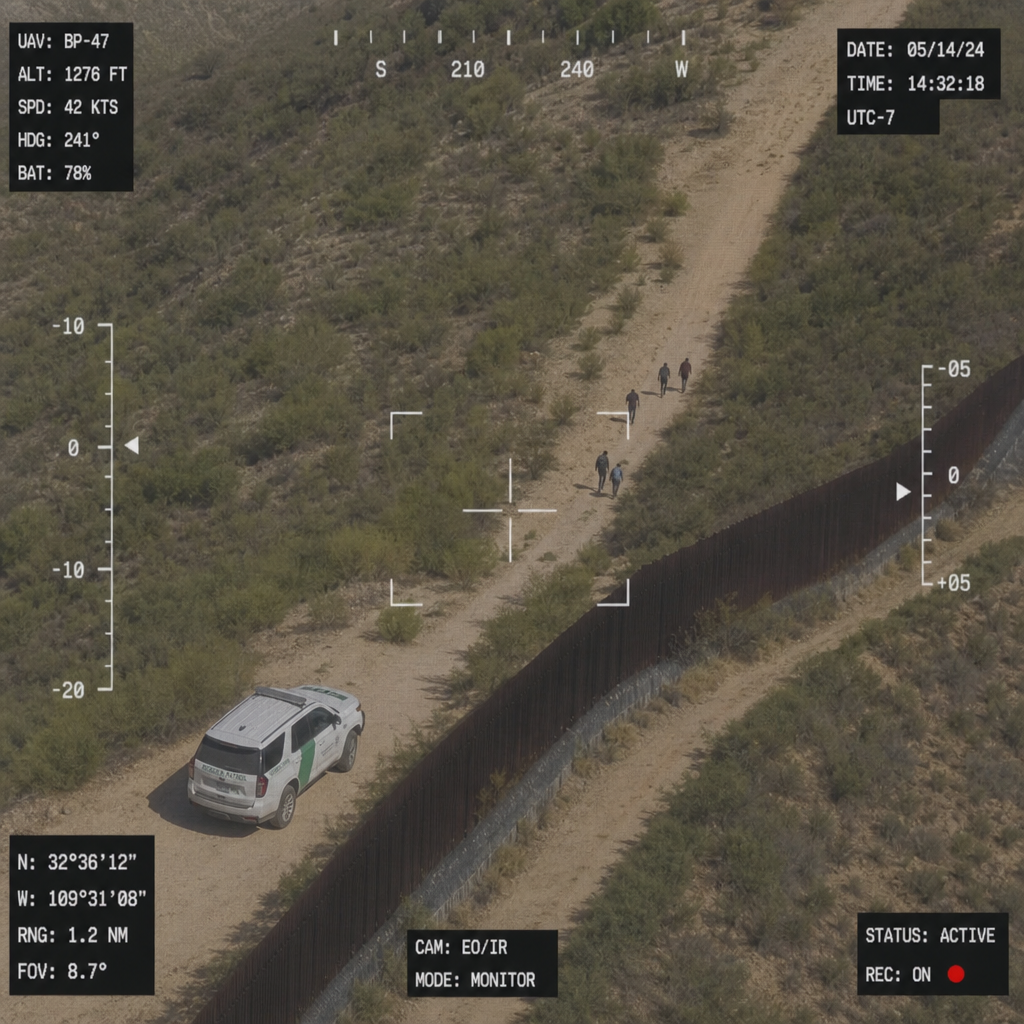
Drones have also moved from a niche concern to a routine enforcement issue in some border environments. The Associated Press reported in February 2026 that Mexican cartels use drones to smuggle fentanyl, surveil territory, organize crossings and monitor law-enforcement activity; it also cited a Department of Homeland Security official who told Congress that cartels use drones almost daily in some border contexts. The 2026 National Drug Control Strategy similarly identifies unmanned aerial vehicles as an increasingly used cross-border smuggling tool. (apnews.com)
Maritime and port networks remain central
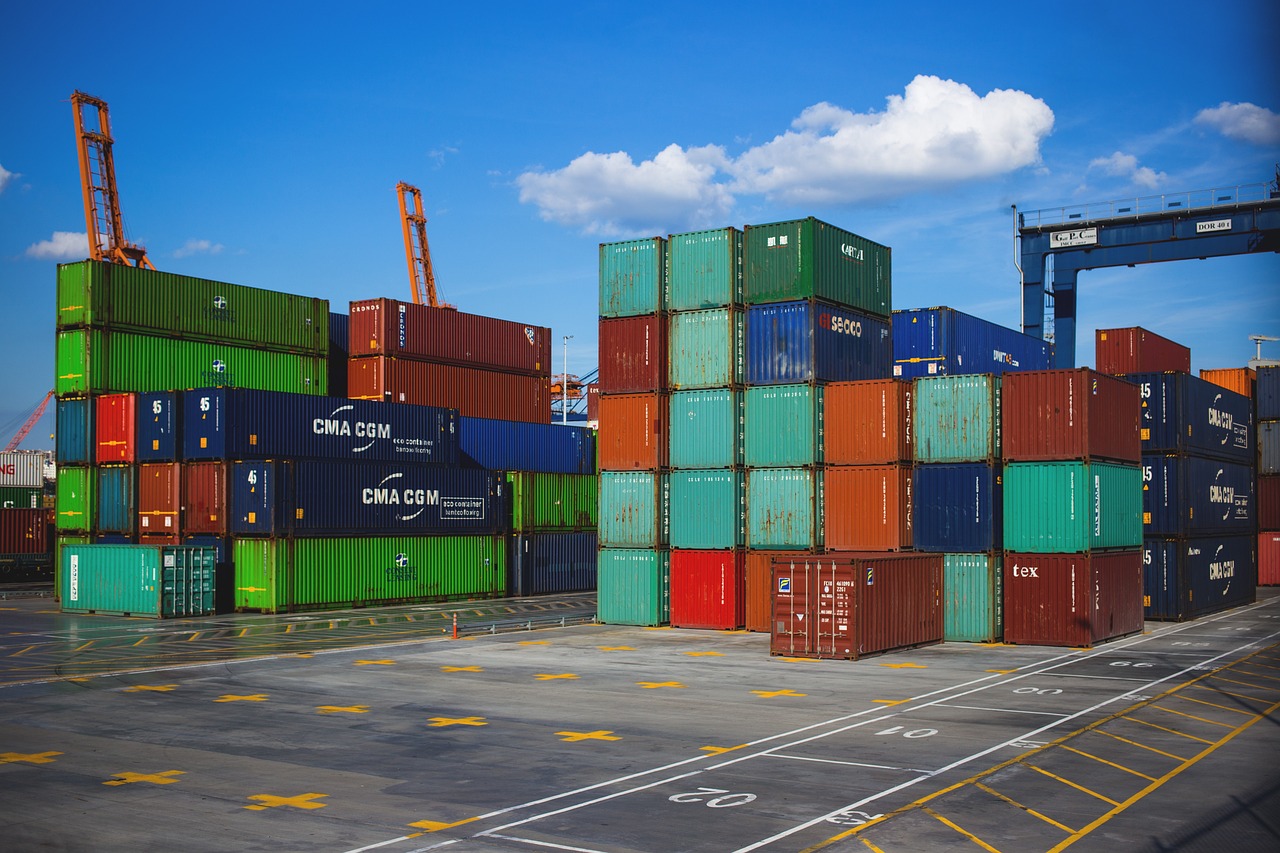
Despite the attention on drones and online markets, maritime logistics still carry enormous strategic importance because container shipping can move large volumes through complex supply chains. Europol’s 2026 report on cocaine trafficking emphasized that criminal networks exploit ports, commercial vessels and real-time logistics gaps, while urging stronger cooperation among law enforcement, customs, port authorities and private-sector operators. (europol.europa.eu)
Recent reporting also points to West Africa’s growing role in cocaine flows toward Europe. Le Monde reported in July 2026 that Senegal has become increasingly important in cocaine processing and distribution, citing regional routes connected to West African ports and broader assessments from UNODC. That matters because illicit drug routes often expand through places where trade volumes are rising, oversight is uneven, or criminal groups can pressure insiders. (lemonde.fr)
Port security specialists increasingly focus on insider risk as much as physical concealment. A container does not need to bypass every scanner if a criminal network can corrupt or coerce people with access to schedules, release codes, yard movements or inspection routines. That is why many current responses emphasize staff vetting, anomaly detection, shared intelligence and secure data access rather than only bigger barriers at the perimeter.
Synthetic drugs complicate detection and disruption
Synthetic drugs have changed the economics of smuggling because smaller quantities can have high potency and high street value. The DEA’s 2025 National Drug Threat Assessment identified synthetic drugs, especially fentanyl, as a central threat in the United States and described violent transnational criminal organizations as major drivers of production and trafficking. (dea.gov)
This shift affects enforcement strategy. Traditional interdiction often focused on bulk movement, but fentanyl and other synthetics can be routed through smaller consignments, hidden within legitimate commerce or moved through parcel systems. Public reporting does not support one simple profile for drug delivery methods; instead, agencies describe a mix of cross-border vehicle traffic, maritime freight, courier services, mail, online sales and local distribution networks.
The health impact also changes the urgency. A missed shipment of a highly potent synthetic drug can reach many communities quickly, while contaminated or counterfeit pills can move through informal networks before users understand the risk. That is why modern enforcement increasingly pairs interdiction with public-health measures such as overdose prevention, toxicology monitoring, drug-checking intelligence where legally supported, and rapid alerts to local agencies.
How agencies and industries are responding
The current response is moving toward a layered model: disrupt the network, protect the supply chain, reduce demand and improve real-time intelligence. No single tactic can close every route, especially when traffickers can shift between land, sea, air and mail systems. The strongest strategies focus on raising the cost and risk of trafficking across multiple points at once.
Key countermeasures now being emphasized include:
- Data-led targeting: Customs and border agencies use shipment histories, routing anomalies, carrier data and intelligence tips to prioritize inspections without stopping every container or vehicle.
- Port and logistics integrity programs: Operators strengthen employee vetting, access controls, audit trails and reporting channels to reduce insider exploitation.
- Counter-drone systems: Border and prison authorities increasingly need detection, tracking and lawful mitigation tools for unauthorized drones.
- Encrypted-network investigations: Agencies use lawful access, seized devices, metadata analysis and international task forces to map leadership, brokers and logistics cells.
- Financial disruption: Investigators target money laundering, cryptocurrency movement, cash couriers, shell businesses and underground banking channels.
- Public-health surveillance: Medical examiners, hospitals and harm-reduction groups can identify emerging substances faster than criminal cases alone.
- Private-sector cooperation: Carriers, online platforms, payment companies and warehouse operators can flag suspicious patterns while protecting legitimate commerce.
Europol’s recent cases illustrate why international cooperation is now central rather than optional. The same organization may source chemicals in one region, coordinate through encrypted platforms in another, move shipments through ports in a third and distribute through online or street-level networks elsewhere. (europol.europa.eu)
Communities have a role beyond enforcement
Local communities are often where the impact becomes visible first. Sudden overdose clusters, counterfeit pills, unusual youth access patterns or shifts in local violence can all signal wider trafficking changes. Community reporting cannot replace professional investigation, but it can shorten the time between a warning sign and an official response.
Practical steps for communities and institutions include:
- Report suspected trafficking activity through official local channels rather than confronting individuals directly.
- Support evidence-based prevention and treatment programs, especially for youth and people at high overdose risk.
- Train schools, workplaces and families to recognize counterfeit pill risks without sensationalizing drug use.
- Encourage businesses in logistics, storage, hospitality and short-term rentals to maintain clear reporting policies.
- Share non-sensitive trend information among public-health, emergency response and community organizations.
This broader approach matters because traffickers exploit isolation. When families, schools, health workers, local businesses and agencies communicate responsibly, it becomes harder for distribution networks to hide behind routine activity.
What happens next
The next phase of drug enforcement is likely to be defined by speed. UNODC’s 2026 assessment warns that traffickers are exploiting technology and instability to test new routes and markets, while Europol and U.S. officials continue to flag drones, encrypted communications, maritime logistics and online distribution as active concerns. (egypt.un.org)
For policymakers, the challenge is to modernize enforcement without undermining lawful trade, privacy or public trust. For industry, the priority is to treat supply-chain security as a shared responsibility, not a compliance afterthought. For the public, the clearest takeaway is that combating modern drug trafficking methods requires both smarter interdiction and stronger prevention, because the networks are no longer confined to one route, one platform or one border.