.png)
Blogs
Mephedrone Dangers: Risks, Addiction, and Overdose
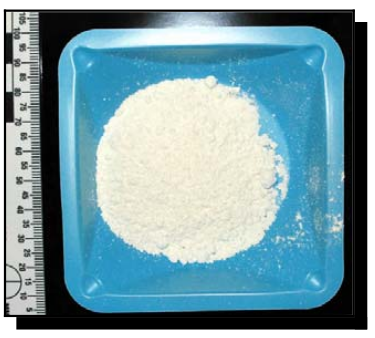
What are the dangers of mephedrone?
Mephedrone is a synthetic stimulant, also known as 4-MMC, that can produce short-lived euphoria but also serious physical, psychological, legal, and addiction-related harms. The main mephedrone risks include fast heart rate, high blood pressure, agitation, paranoia, hallucinations, overheating, seizures, chest pain, dependence, and, in some cases, fatal intoxication. This guide explains the most important mephedrone effects and mephedrone side effects in plain language, including when suspected mephedrone overdose requires emergency help.
What makes mephedrone dangerous?
Mephedrone is dangerous because it acts like a powerful stimulant while also being unpredictable in strength, contents, and effects. It belongs to the synthetic cathinone group, a class of drugs related to cathinone, the stimulant compound found in the khat plant; mephedrone itself is described by the DEA as a designer drug also known as 4-methylmethcathinone or 4-MMC. In the United States, mephedrone is a Schedule I controlled substance, and Schedule I substances are defined by the DEA as having no currently accepted medical use and a high potential for abuse. (test.deadiversion.usdoj.gov)
The danger is not only that mephedrone can make someone feel energized, talkative, confident, or euphoric. The same stimulant action can push the heart, brain, body temperature, and mental state into unsafe territory. Public health and toxicology sources report that mephedrone and other synthetic cathinones can cause a stimulant-type toxicity pattern involving tachycardia, hypertension, agitation, paranoia, hallucinations, insomnia, chest pain, seizures, hyperthermia, and other complications. (ecddrepository.org)
Another danger is that recreational mephedrone is not a regulated medicine. Products sold as “bath salts,” “plant food,” or “research chemicals” have historically been used to disguise synthetic cathinones, and the actual substance or mixture may not match what the buyer expects. This makes mephedrone abuse especially risky: a person may believe they are taking one drug, but the product may contain another cathinone, a mixture of stimulants, or contaminants that change the risk profile. (test.deadiversion.usdoj.gov)
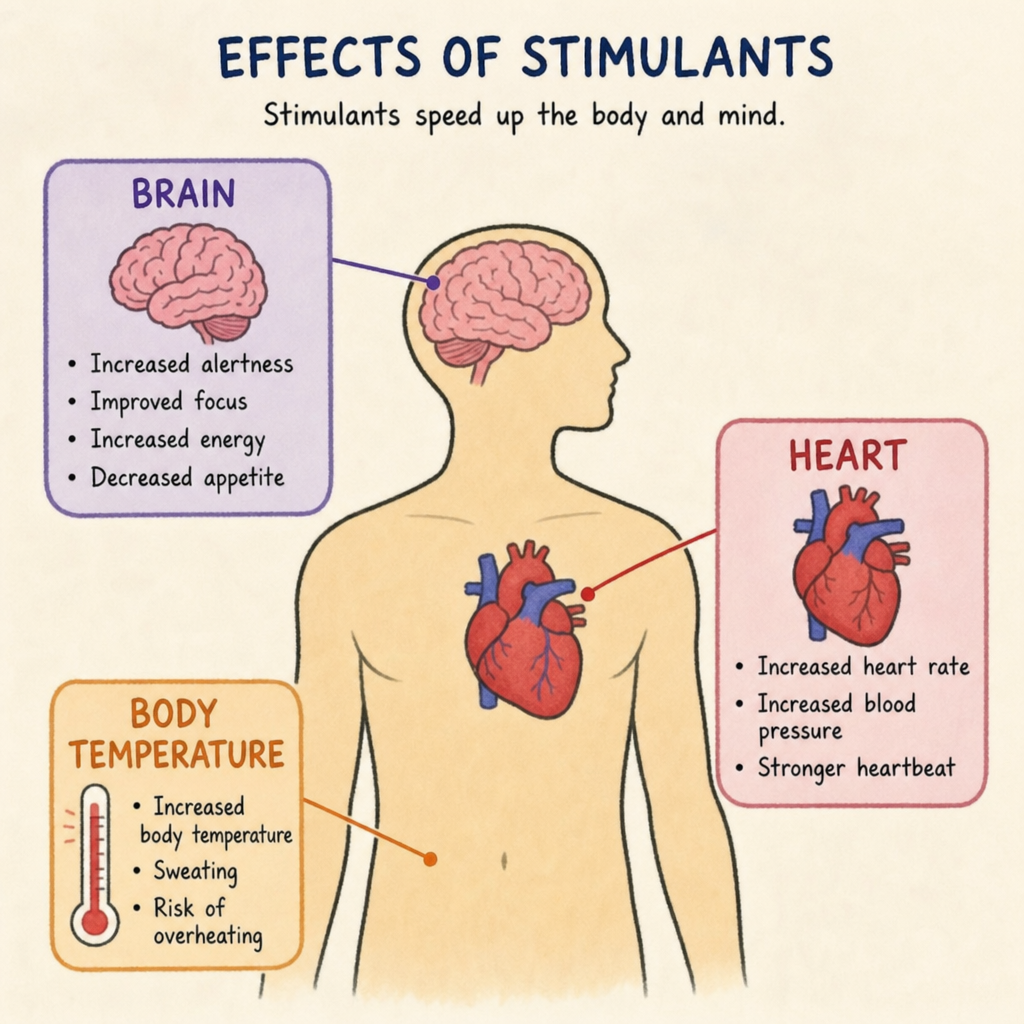
Mephedrone’s stimulant effects on the brain and body
Mephedrone affects chemical messenger systems involved in alertness, reward, mood, and stress. WHO describes mephedrone as acting on serotonin, dopamine, and norepinephrine transporter systems in ways comparable to psychostimulants, with a behavioral profile broadly comparable to amphetamine-type stimulants. That helps explain why mephedrone effects can include increased energy and sociability, but also why the drug can trigger cravings, binge use, anxiety, paranoia, and loss of control. (ecddrepository.org)
The wanted effects are part of the risk. A drug that feels rewarding for a short period can encourage repeated use, especially if the person is trying to prolong the high or avoid the uncomfortable comedown. WHO notes that mephedrone use has been associated with binge use, meaning repeated use within a short time, and reports from surveys and casework suggest potential for cravings and dependence. (ecddrepository.org)
Common short-term effects
Short-term mephedrone effects may include increased alertness, euphoria, intensified emotions, higher confidence, and increased sociability. However, the same acute phase can also involve agitation, anxiety, tremor, headaches, confusion, hallucinations, delusions, nausea, vomiting, dilated pupils, blurred vision, sweating, palpitations, chest pain, and high blood pressure. UK government harm assessment work describes mephedrone’s acute toxic effects as broadly similar to other stimulants such as amphetamine and MDMA. (gov.uk)
These effects can escalate quickly because stimulant intoxication is not just “feeling wired.” The nervous system may become overactivated, the person may become disoriented or combative, and the heart may be under strain. In clinical reports of mephedrone toxicity, common features include agitation or aggression, fast heart rate, confusion or psychosis, chest pain, nausea, palpitations, peripheral vasoconstriction, and headache. (pmc.ncbi.nlm.nih.gov)
Physical strain and cardiovascular risk
One of the most serious mephedrone risks is cardiovascular stress. Reports of mephedrone and synthetic cathinone toxicity include tachycardia, hypertension, palpitations, chest pain, abnormal rhythms, and, in severe cases, cardiac arrest. The UK harms assessment also lists stroke, myocardial infarction, pulmonary edema, ventricular tachycardia, and ventricular fibrillation among reported complications linked with cathinone toxicity. (gov.uk)
This matters even for people who believe they are healthy. Stimulants can raise heart rate and blood pressure, and that extra strain may be more dangerous during dancing, heat exposure, dehydration, panic, sleep loss, or mixing substances. A person with an undiagnosed heart condition, high blood pressure, anxiety disorder, or medication interaction may not know they are at higher risk until symptoms become severe. (gov.uk)
Overheating and muscle breakdown
Hyperthermia, or dangerously high body temperature, is one of the clearest red flags in stimulant toxicity. Synthetic cathinone intoxication can involve severe agitation, hyperthermia, seizures, and, in serious cases, rhabdomyolysis, kidney failure, liver dysfunction, disseminated intravascular coagulation, cardiovascular collapse, and death. Rhabdomyolysis means muscle tissue breaks down and releases substances into the bloodstream that can damage the kidneys. (pmc.ncbi.nlm.nih.gov)
Overheating may be more likely when stimulant use happens in hot, crowded, physically demanding environments. People may keep moving, sweating, and redosing while not recognizing how strained their body has become. A dangerously overheated person may be confused, extremely agitated, faint, unable to cool down, or no longer able to make safe decisions, so bystanders should treat this as an emergency. (pmc.ncbi.nlm.nih.gov)
Psychological and behavioral harms
Mephedrone side effects can be intensely psychological. Reports link mephedrone and other synthetic cathinones with anxiety, panic, paranoia, hallucinations, delusions, confusion, insomnia, aggression, and psychosis-like states. These are not simply unpleasant moods; they can change judgment, increase impulsive behavior, and make it harder for someone to accept help. (ecddrepository.org)
A person experiencing stimulant paranoia may believe others are threatening them, watching them, or trying to harm them. Someone hallucinating or severely confused may run into unsafe situations, drive, mix more substances, or react aggressively to friends, strangers, or emergency responders. Synthetic cathinone intoxication has been associated with agitation, combative behavior, hallucinations, paranoia, and confusion in poison center and clinical reports. (pmc.ncbi.nlm.nih.gov)
The psychological danger can continue after the drug’s main effects fade. Post-use depression, anxiety, irritability, insomnia, and cravings can follow stimulant use, especially after repeated dosing or sleep deprivation. The UK harms assessment specifically lists post-use depression among adverse neuropsychiatric features associated with mephedrone. (gov.uk)
Anxiety, panic, and paranoia
Anxiety from mephedrone can feel physical as well as emotional. A racing heart, sweating, trembling, tight chest, nausea, and a sense of impending doom can resemble a panic attack, but stimulant toxicity can also cause real cardiovascular danger. That overlap is one reason chest pain, fainting, severe shortness of breath, or confusion should not be dismissed as “just anxiety.” (pmc.ncbi.nlm.nih.gov)
Paranoia is especially risky when the person is sleep-deprived or has used repeatedly. Stimulants can amplify threat perception, and repeated use may keep the brain in a stressed, hypervigilant state. If someone is frightened, suspicious, or hallucinating, arguing usually makes the situation worse; a calmer approach is to reduce stimulation, move dangerous objects away, and seek medical help if symptoms are severe or escalating. (pmc.ncbi.nlm.nih.gov)
Psychosis-like symptoms
Mephedrone-related psychosis-like symptoms can include hallucinations, delusional beliefs, severe confusion, and behavior that is very out of character. Clinical and public health sources group these symptoms within the broader stimulant or sympathomimetic toxicity pattern seen with synthetic cathinones. These symptoms may resolve as intoxication improves, but they can still lead to injury, police involvement, self-harm risk, or emergency psychiatric care. (ecddrepository.org)
A history of psychosis, bipolar disorder, severe anxiety, trauma, or sleep deprivation may increase concern, although serious reactions can occur without a known history. Mixing mephedrone with other stimulants, alcohol, cannabis, psychedelics, or psychiatric medicines may further complicate mental state and medical risk. Because routine emergency drug screens may not detect all synthetic cathinones, clinicians often rely on symptoms, vital signs, and toxicology history rather than a simple “positive” or “negative” result. (pmc.ncbi.nlm.nih.gov)
Can mephedrone cause addiction?
Yes, mephedrone can be associated with addiction-like patterns, including craving, binge use, repeated use despite harm, and difficulty stopping. WHO concluded that mephedrone shows abuse liability, with animal self-administration data indicating a propensity for abuse and human reports describing cravings, dependence potential, and binge use. NIDA materials on synthetic cathinones state that these drugs can be addictive and that users have reported intense, uncontrollable urges to use them again. (ecddrepository.org)
Mephedrone addiction is not defined by a single episode of use. It is more often recognized through patterns: using more often than intended, redosing repeatedly, spending more time recovering, hiding use, neglecting responsibilities, continuing despite physical or mental health consequences, and feeling unable to stop even after deciding to. These are signs that the drug has moved from experimentation into compulsive behavior.
The short-lived rewarding effects can reinforce repeated use. If the high fades quickly and the comedown feels low, anxious, or empty, the person may take more to chase the earlier feeling or avoid the crash. This cycle can create a binge pattern that increases the risk of mephedrone overdose, sleep deprivation, dehydration, risky sex, unsafe driving, conflict, financial problems, and worsening mental health. (ecddrepository.org)
Warning signs of mephedrone addiction
Mephedrone addiction may be present when several of the following patterns appear:
- Loss of control: The person plans to avoid use or limit use but repeatedly breaks that plan.
- Cravings: They feel strong urges to use again, especially in certain places, with certain people, after stress, or during a comedown.
- Binge use: They take the drug repeatedly over a short period, often sacrificing sleep, food, hydration, or safety.
- Continuing despite harm: They keep using after panic, paranoia, chest pain, relationship conflict, work problems, or legal consequences.
- Neglecting responsibilities: School, work, caregiving, money, or health routines start to suffer.
- Secrecy and isolation: They hide use, minimize it, or withdraw from people who might challenge it.
- Withdrawal-like distress: They feel depressed, anxious, irritable, exhausted, shaky, or unable to sleep when stopping.
- Escalating risk: They mix substances, use alone, use in unsafe settings, or ignore previous warning signs.
These signs do not require shame or moral judgment. They are reasons to get support early, because stimulant use disorders are easier to address before the pattern becomes deeply embedded.
Withdrawal and comedown symptoms
NIDA materials report that withdrawal from synthetic cathinones can include depression, anxiety, tremors, sleeping problems, and paranoia. These symptoms can make stopping difficult because the person may feel temporarily worse when they try to quit. That does not mean recovery is impossible; it means the brain and body may need time, structure, and support to stabilize. (nida.nih.gov)
The comedown can also increase risk of self-harm, impulsive decisions, or returning to use. If someone feels severely depressed, suicidal, paranoid, or unable to stay safe after mephedrone use, crisis support is appropriate. In the United States, 988 offers 24/7 support for mental health, suicide, and substance use crises, and SAMHSA’s National Helpline can help people find treatment resources. (samhsa.gov)
Mephedrone overdose and acute toxicity
Mephedrone overdose is better understood as acute stimulant toxicity: the body and brain become overstimulated to a dangerous degree. There is no reliable visual cue that proves a dose is safe, and illegal products may vary in contents and strength. Reported non-fatal and fatal intoxications involving mephedrone show why severe symptoms should be treated as medical emergencies, not something to “sleep off.” (ecddrepository.org)
A suspected mephedrone overdose may include severe agitation, confusion, paranoia, hallucinations, chest pain, very fast heartbeat, high blood pressure, overheating, heavy sweating, seizures, collapse, vomiting, severe headache, shortness of breath, or loss of consciousness. Clinical data from mephedrone and synthetic cathinone cases repeatedly identify agitation, tachycardia, hypertension, chest pain, psychosis or confusion, and seizures among significant toxicity features. (pmc.ncbi.nlm.nih.gov)
When to call emergency services
Call 911 immediately in the United States if someone may have taken mephedrone and has any of these danger signs:
- Chest pain, severe palpitations, fainting, or shortness of breath
- Seizure, collapse, loss of consciousness, or inability to wake up
- Extreme agitation, aggression, confusion, paranoia, or hallucinations
- Very high body temperature, hot skin, uncontrolled sweating, or inability to cool down
- Severe headache, weakness on one side, trouble speaking, or signs of stroke
- Repeated vomiting, severe dehydration, or signs of severe illness
- Blue lips, slow or abnormal breathing, or suspicion that opioids or sedatives may also be involved
- Suicidal thoughts, self-harm behavior, or statements that the person cannot stay safe
If you are unsure, call anyway. Emergency responders do not need a perfect drug history to begin lifesaving care, but it helps to tell them what the person may have taken, when symptoms started, whether other substances or medications were involved, and whether the person has medical conditions.
What bystanders can do while waiting
The safest first step is to get professional help. While waiting for emergency services, keep the person away from traffic, balconies, weapons, sharp objects, and other hazards. Try to reduce noise, bright lights, crowding, and confrontation, because overstimulation can worsen panic and agitation.
If the person is conscious, speak calmly and use simple phrases. Do not force them to eat, drink large amounts of water, take a cold bath, or take more substances to “balance out” the effects. If they are overheated, move them to a cooler area, remove excess outer clothing, and use gentle cooling while waiting for help; severe hyperthermia needs medical treatment. (pmc.ncbi.nlm.nih.gov)
If the person is unconscious but breathing, place them on their side in the recovery position if you can do so safely. If they are not breathing normally, emergency dispatchers can talk you through CPR. If opioids may be involved and naloxone is available, use it according to the product directions; naloxone will not reverse stimulant toxicity, but it can help if an opioid is part of the overdose picture. (samhsa.gov)
Mixing mephedrone with other substances increases risk
Polydrug use is a major reason mephedrone risks become unpredictable. Synthetic cathinone products may already be mislabeled or mixed, and the person may also combine them with alcohol, cocaine, MDMA, amphetamines, ketamine, benzodiazepines, opioids, cannabis, erectile dysfunction medicines, antidepressants, or other drugs. The UK harms assessment notes that problematic cathinone use often appears as part of a polydrug use trajectory, and clinical sources warn that combinations can produce significant differences in presentation and severity. (gov.uk)
Combining stimulants can compound cardiovascular and overheating risks. Mephedrone plus cocaine, amphetamine, methamphetamine, or MDMA may increase strain on heart rate, blood pressure, body temperature, and mental state. It may also make a person more likely to redose, dance or exert themselves for long periods, ignore dehydration, or misread early warning signs. (gov.uk)
Alcohol can make risk harder to judge. It may lower inhibition, increase impulsivity, worsen dehydration, and make it harder for the person to notice how intoxicated or overheated they are. Sedatives such as benzodiazepines or opioids add a different danger: they can impair breathing, consciousness, memory, and coordination, especially when mixed with alcohol or other depressants. (samhsa.gov)
Medication interactions and serotonin toxicity
Because mephedrone can affect serotonin-related systems, combinations with other serotonergic substances raise concern for serotonin toxicity. Clinical reviews of synthetic cathinone intoxication describe signs of serotonergic toxicity and note that concurrent use of serotonergic drugs may increase the risk of serotonin syndrome with multi-system complications. Symptoms can include agitation, confusion, sweating, tremor, muscle rigidity, diarrhea, fever, and, in severe cases, seizures or organ failure. (pmc.ncbi.nlm.nih.gov)
People taking antidepressants, ADHD medications, migraine medicines, psychiatric medicines, or other prescriptions should not assume mephedrone is safe because a drug is prescribed. Medication interactions can be complex, and illegal stimulant products add uncertainty. A clinician, pharmacist, or poison control center is the right source for individualized advice after a possible interaction.
Longer-term health and life consequences
The long-term effects of mephedrone are less completely studied than those of older stimulants, but lack of complete data does not mean lack of harm. Reviews have noted uncertainty around some chronic health effects, while public health sources consistently identify acute toxicity, dependence potential, psychiatric harms, and serious complications as concerns. For a person using repeatedly, the practical danger is that short-term crises can stack into long-term damage. (sciencedirect.com)
Mental health deterioration
Repeated stimulant use can destabilize sleep, mood, appetite, anxiety, and impulse control. Even if a person starts using mephedrone in social settings, the pattern can shift toward using to cope with depression, loneliness, sexual pressure, work stress, or comedown symptoms. Over time, that can narrow life around the drug: planning for it, recovering from it, hiding it, and repairing the consequences.
Post-use depression deserves special attention. A person may feel emotionally flat, guilty, hopeless, irritable, or panicky after use, especially after a binge. If those feelings become intense or include suicidal thoughts, immediate support matters; 988 provides crisis support for mental health and substance use concerns in the United States. (samhsa.gov)
Sleep, nutrition, and physical recovery
Mephedrone can interfere with sleep and appetite, and stimulant binges can lead to prolonged wakefulness. Sleep deprivation alone can worsen paranoia, anxiety, reaction time, judgment, and emotional regulation. When combined with poor nutrition, dehydration, and physical exertion, it can make the body less resilient during the next episode of use.
This is one reason a person can feel that each episode is getting worse. The drug may be similar, but the body is not returning to baseline between episodes. Chest discomfort, panic, tremor, memory gaps, sexual risk, infections, injuries, and emotional crashes may become more frequent as recovery time shrinks.
Nasal, injection, and infection-related harms
Routes of use carry additional risks. Nasal use can be associated with irritation, sore throat, nosebleeds, and local tissue injury. Injecting any nonmedical drug increases risk of infection, vein damage, abscesses, bloodborne viruses, and unpredictable rapid intoxication. The UK harms assessment lists nasal irritation, sore mouth or throat, and nosebleeds as local effects associated with nasal insufflation of mephedrone. (gov.uk)
A person who injects, shares equipment, has wounds, develops fever, or notices swelling and redness should seek medical care. Harm can occur even when someone has used before without an obvious problem. The absence of a previous emergency does not make the next episode safe.
Legal and practical risks
In the United States, mephedrone is controlled in Schedule I of the Controlled Substances Act according to the DEA. That can expose a person to criminal consequences related to possession, distribution, or other drug-law violations, depending on the facts and jurisdiction. Beyond formal charges, drug-related incidents can affect employment, housing, school, licensing, immigration status, custody matters, and relationships. (test.deadiversion.usdoj.gov)
There is also a practical safety risk in buying an illicit product. The seller may not know or may misrepresent what the substance contains. Mephedrone has historically been sold online or through retail-style channels under labels such as “research chemical,” “bath salts,” or “plant food,” language often used to create a false sense of legitimacy. (test.deadiversion.usdoj.gov)
People and situations that may face higher risk
Some situations make mephedrone abuse more dangerous. Risk can rise when a person is using alone, redosing repeatedly, mixing substances, using in hot environments, dancing or exercising for long periods, not sleeping, not eating, or avoiding medical help because of fear or shame. Risk is also higher when someone has heart disease, high blood pressure, seizure history, kidney disease, severe anxiety, bipolar disorder, psychosis history, pregnancy, or medications that interact with stimulants.
Social context matters too. A person may use mephedrone in nightlife, festivals, private parties, chemsex settings, or isolated binges. UK public health analysis notes use among younger people in festival settings and among men who have sex with men in chemsex contexts, often with other substances. These contexts can involve additional risks such as sexual vulnerability, consent issues, sexually transmitted infections, dehydration, and delayed help-seeking. (gov.uk)
Higher risk does not mean only certain groups are affected. WHO reported recreational or harmful use of mephedrone across multiple member states and concluded that its public health and societal risk was substantial enough to warrant international control. Anyone using an unregulated stimulant can experience severe adverse effects. (ecddrepository.org)
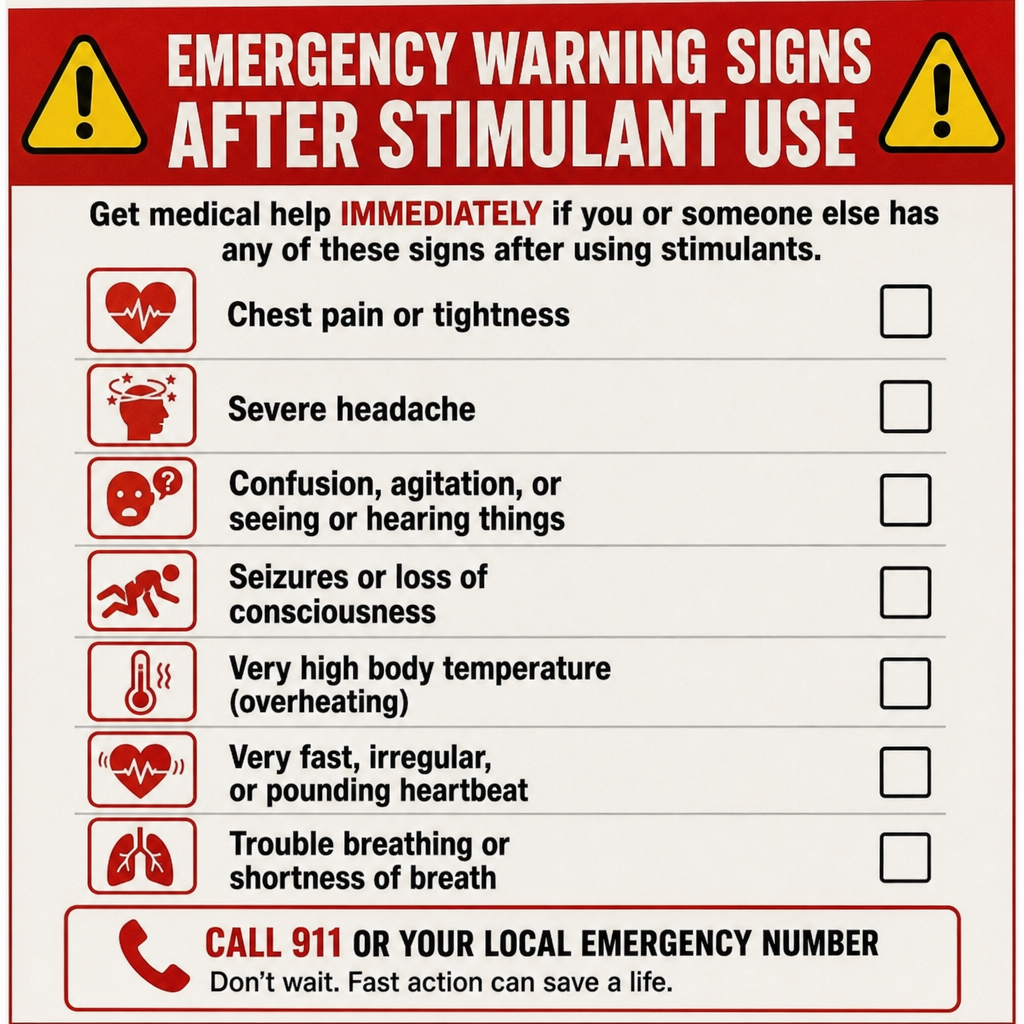
A practical safety checklist for concern about mephedrone use
If you are worried about yourself or someone else, use this checklist to decide what kind of help is needed. It is not a diagnostic tool, but it can turn vague concern into concrete next steps.
Seek emergency help now if any acute danger is present
Call 911 if there is chest pain, seizure, collapse, severe overheating, severe confusion, hallucinations, violent agitation, trouble breathing, loss of consciousness, stroke-like symptoms, or suicidal behavior. Do not wait for certainty about what drug was taken. Mephedrone overdose and synthetic cathinone toxicity can worsen quickly, and there is no home antidote for stimulant toxicity. (gov.uk)
Arrange medical or behavioral health support soon if warning patterns are developing
A non-emergency appointment is still important if use is becoming repeated, cravings are growing, comedowns are severe, sleep is disrupted, paranoia has occurred, or the person has had chest pain or fainting after use. A primary care clinician, addiction medicine provider, therapist, or local substance use program can help assess risk and plan support. SAMHSA’s FindTreatment.gov and National Helpline are designed to connect people in the United States with substance use and mental health treatment resources. (samhsa.gov)
Reduce immediate risk while moving toward stopping
The safest choice is not to use mephedrone. If someone is not ready or able to stop immediately, the priority is to avoid using alone, avoid mixing substances, avoid driving, avoid overheating, avoid repeated redosing, and seek medical help early when symptoms feel wrong. This is not a guarantee of safety; it is a bridge to care, because illicit stimulant use remains unpredictable.
Watch for addiction signals over time
Keep track of frequency, triggers, money spent, consequences, cravings, and failed attempts to cut down. If the pattern is escalating, treat that as information rather than failure. Mephedrone addiction can thrive in secrecy, while recovery becomes more realistic when the person brings the pattern into the open with a trusted professional or support network.
Treatment and recovery options
There is no FDA-approved medication specifically for addiction to synthetic cathinones, according to NIDA educational materials, so treatment usually focuses on behavioral approaches and recovery support. NIDA lists cognitive behavioral therapy, contingency management or motivational incentives, and community-based recovery groups as supports used for synthetic cathinone addiction, while UK review work highlights psychosocial interventions and notes evidence for contingency management combined with CBT or community reinforcement approaches. (nida.nih.gov)
Treatment does not have to begin with perfect motivation. Many people start by saying, “I am not sure I can stop, but I know this is becoming dangerous.” That is enough to begin an assessment, build a safety plan, and identify triggers. A good plan may include medical evaluation, therapy, peer support, sleep recovery, mental health care, sexual health care, practical accountability, and strategies for high-risk weekends or social settings.
What professional help may involve
A clinician may ask about frequency of use, routes of use, other substances, medications, mental health history, chest pain, fainting, seizures, sleep, mood, and suicidal thoughts. This can feel uncomfortable, but honest answers help reduce risk. Because mephedrone may not appear on routine drug screens, the person’s description of symptoms and exposure can be medically important. (pmc.ncbi.nlm.nih.gov)
Therapy may focus on triggers, craving management, refusal skills, relapse prevention, mood regulation, trauma, shame, sexual decision-making, or social pressure. For some people, recovery also requires changing environments, taking a break from nightlife, deleting supplier contacts, setting money barriers, asking friends not to offer substances, or arranging check-ins during high-risk times.
Support for families and friends
If someone you care about is using mephedrone, avoid relying on threats, lectures, or debates while they are intoxicated. Choose a sober moment and focus on specific observations: “You had chest pain,” “You were awake for two days,” “You were terrified people were following you,” or “You said you wanted to stop but used again.” Concrete examples are harder to dismiss than labels.
Offer practical help without enabling. That might mean sitting with them while they call a helpline, driving them to an appointment, helping them remove contacts connected to use, or staying nearby during the first difficult comedown. If there is immediate danger, psychosis, violence, overdose signs, or suicidal thinking, involve emergency or crisis services rather than trying to manage it alone.
Key takeaways about mephedrone risks
Mephedrone is not a harmless club drug or a safe alternative to cocaine, MDMA, or amphetamines. It is an illicit synthetic stimulant with documented toxicity, abuse liability, and no accepted medical use in the United States. The most important mephedrone risks involve the heart, brain, body temperature, mental state, and the potential for compulsive use. (test.deadiversion.usdoj.gov)
Remember these core points:
- Mephedrone can cause acute stimulant toxicity. Warning signs include agitation, fast heart rate, high blood pressure, chest pain, overheating, hallucinations, confusion, and seizures.
- Mephedrone overdose can be fatal. Non-fatal and fatal intoxications have been reported, and severe symptoms require emergency care.
- Mephedrone addiction is possible. Cravings, binge use, and difficulty stopping are recognized concerns.
- Mixing substances increases danger. Other stimulants, alcohol, sedatives, opioids, and serotonergic medications can make the situation more unpredictable.
- There is no home antidote for stimulant toxicity. Severe reactions need medical assessment and supportive emergency treatment.
- Help is available. In the United States, call or text 988 for mental health or substance use crisis support, call 911 for medical emergencies, or use SAMHSA resources to find treatment. (samhsa.gov)
If you are asking, “What are the dangers of mephedrone?” the most honest answer is that the danger is both immediate and cumulative. One episode can become a medical emergency, and repeated use can become a pattern of cravings, comedowns, secrecy, and escalating harm. The safest next step is to avoid use; if mephedrone is already part of your life, the next safest step is to tell someone, seek support, and treat any severe symptoms as urgent.