.png)
Blogs
GHB Dangers for Women: Health Risks & Safety Tips

What makes GHB so dangerous for women?
GHB is dangerous because it can quickly affect consciousness, breathing, memory, movement, and the ability to consent or seek help. For women, the danger is often discussed in the context of parties, bars, dating situations, and drug-facilitated sexual assault, but the health risks are serious in any setting. Understanding what makes GHB so dangerous for women means looking at both the medical effects of the drug and the social situations in which it may be used to exploit someone.
Why is GHB especially risky for women?
GHB is especially risky for women because it can cause sedation, confusion, memory impairment, loss of coordination, unconsciousness, and slowed breathing, sometimes within a short window after exposure. The DEA notes that GHB can take effect in 15 to 30 minutes and may last for several hours; high doses can lead to coma or death. Those effects make GHB health risks more than a matter of “feeling too intoxicated” — they can become a medical emergency. (dea.gov)
The risk becomes more severe when GHB is mixed with alcohol or other depressants. The Office on Women’s Health explains that alcohol can strengthen the effects of drugs used in sexual assault and can contribute to serious health problems, including death. In real-world settings, a person may not know whether a drink contains GHB, how much was added, or whether other substances are involved. (womenshealth.gov)
How does GHB increase the risk of date rape?
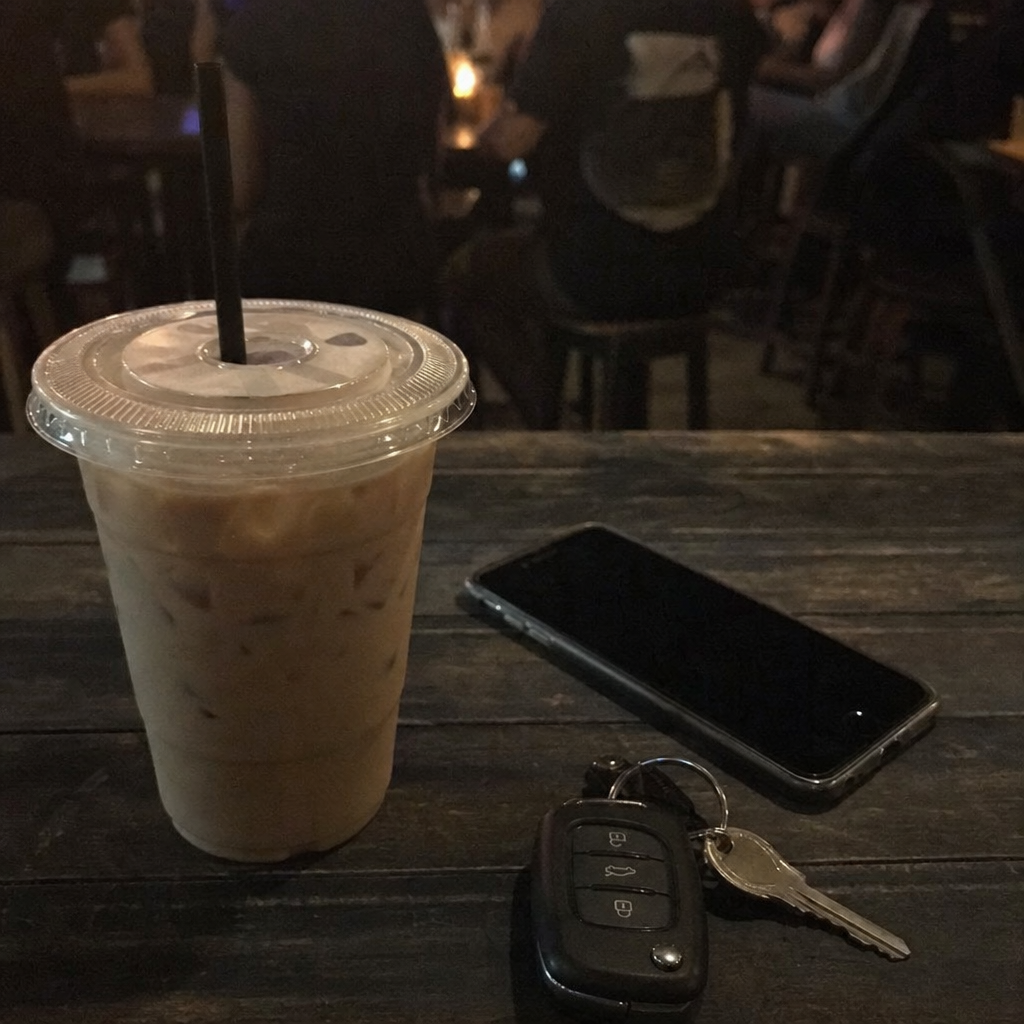
GHB increases the risk of date rape because it can make a person confused, unable to defend themselves, unable to give consent, or unable to remember what happened. Date rape drugs can be placed into a drink without someone knowing, and substances such as GHB may have no obvious color, smell, or taste when added to food or beverages. This creates a dangerous opportunity for perpetrators to take advantage of someone in bars, parties, concerts, private homes, rides, or dating situations. (womenshealth.gov)
Several factors contribute to the increased risk of date rape when GHB is involved:
- Rapid impairment: A woman may go from feeling normal to dizzy, disoriented, sleepy, or unable to move safely.
- Memory gaps: GHB can interfere with memory, making it harder to reconstruct events or recognize an assault immediately.
- Alcohol overlap: If someone has been drinking, the effects may be misread as ordinary intoxication, delaying help.
- Hidden administration: A spiked drink may not look, smell, or taste unusual.
- Social pressure: Perpetrators may pressure someone to drink more, isolate them from friends, or exploit a crowded environment.
- Consent confusion: If someone is incapacitated, passed out, or severely impaired, they cannot consent to sexual activity.
It is important to be clear: the person who is drugged, intoxicated, or assaulted is never responsible for the assault. Responsibility belongs entirely to the person who drugs, coerces, assaults, or exploits another person. The CDC identifies alcohol and drug use, hostility toward women, acceptance of violent behavior, and social norms that support sexual entitlement as risk factors connected with sexual violence perpetration. (cdc.gov)
The body can be affected quickly and unpredictably
GHB acts on the central nervous system, and toxicity is mainly associated with central nervous system and respiratory depression. In plain language, that means the brain and breathing can slow in dangerous ways. A person may appear “asleep,” but they may actually be experiencing a life-threatening overdose. (ncbi.nlm.nih.gov)
Common warning signs can include sudden drowsiness, confusion, nausea, vomiting, slurred speech, poor coordination, dizziness, trouble breathing, or passing out. The Office on Women’s Health also notes that date rape drugs and alcohol can affect thinking, decision-making, and memory. When these symptoms appear suddenly, especially after a drink or in a social situation, they should be treated seriously. (womenshealth.gov)
A major problem with GHB is that there is little room for error. A small difference in amount can change the effect from relaxation or drowsiness to unconsciousness, vomiting, slowed breathing, or overdose. Because the person affected may not be able to explain what happened, friends, bystanders, and medical professionals may need to act before there is a clear story.
GHB health risks go beyond the night it happens
The immediate ghb health risks are frightening, but the aftermath can also be difficult. A woman may wake up with missing time, injuries, pain, anxiety, panic, shame, or uncertainty about whether she was assaulted. Memory loss can make the experience even more distressing because the absence of clear memories does not mean nothing happened.
After suspected drugging or assault, medical care can address urgent needs that are not always visible. The CDC recommends that sexual assault survivors be evaluated for sexually transmitted infections, and reproductive-aged female survivors should be evaluated for pregnancy and offered emergency contraception when appropriate. Medical teams can also discuss HIV post-exposure prevention based on the circumstances of the assault. (cdc.gov)
Emotional support matters, too. Drug-facilitated assault often leaves survivors questioning their own judgment, especially if alcohol was involved. That self-blame is common, but it is misplaced. Being impaired does not make someone responsible for another person’s violence.
Practical safety steps can reduce risk, but they do not shift blame
Safety advice should never be used to suggest that women are responsible for preventing assault. Still, practical steps can help people protect themselves and each other in environments where drinks, drugs, and social pressure are present.
Consider these harm-reduction habits:
- Keep control of your drink. Open it yourself when possible, watch it being poured, and avoid leaving it unattended.
- Trust sudden changes. If you feel much more drunk than expected, unusually sleepy, confused, or unable to move normally, get help immediately.
- Use a buddy system. Arrive together, check in regularly, and leave together when possible.
- Do not minimize a friend’s symptoms. If someone seems far more impaired than expected, move them to safety and seek medical help.
- Avoid isolated exits with someone impaired. A person who is confused, vomiting, or passing out needs care, not privacy with a stranger or acquaintance.
- Call emergency services if breathing, consciousness, or safety is in question. Suspected GHB exposure can become life-threatening.
The Office on Women’s Health advises calling 911 or going to a hospital emergency room if you think you or a friend has been drugged, and it is important to tell medical staff that drugging may have occurred so they can test appropriately. (womenshealth.gov)
What should you do if you think you were drugged?
If you think you were drugged, get to a safe place, contact someone you trust, and seek medical help as soon as possible. If you are in immediate danger or someone is unconscious, having trouble breathing, or cannot be awakened, call emergency services right away. GHB overdose can cause coma and death, so waiting to “sleep it off” can be dangerous. (dea.gov)
If sexual assault may have occurred, try to avoid showering, changing clothes, brushing your teeth, eating, drinking, or using the bathroom before medical care if you can do so safely. The Office on Women’s Health explains that this may help preserve evidence, though getting safe and receiving care are the priorities. If you already did any of those things, you can still seek medical attention and support. (womenshealth.gov)
In the United States, RAINN’s National Sexual Assault Hotline offers 24/7 confidential support by phone at 800-656-HOPE, online chat, and text support by texting HOPE to 64673. A trained advocate can help you think through medical care, reporting options, safety planning, and emotional support without pressuring you into a decision. (rainn.org)
Awareness is protection for communities, not just individuals
The question “What makes GHB so dangerous for women?” has a simple answer with serious implications: it can rapidly take away a person’s awareness, memory, movement, and ability to consent, while also creating real overdose risks. The danger is not only the drug itself, but also the way perpetrators may use it alongside alcohol, isolation, pressure, and confusion.
Better awareness can help friends intervene faster, venues take reports seriously, and survivors receive care without blame. If something feels wrong, act early. A quick response can protect someone’s health, preserve options, and remind survivors of the most important truth: being drugged or assaulted is never their fault.
We have a test for GHB as well. Please click here for more information.