.png)
Blogs
Effective Strategies to Confront Drug-Impaired Suspects Safely
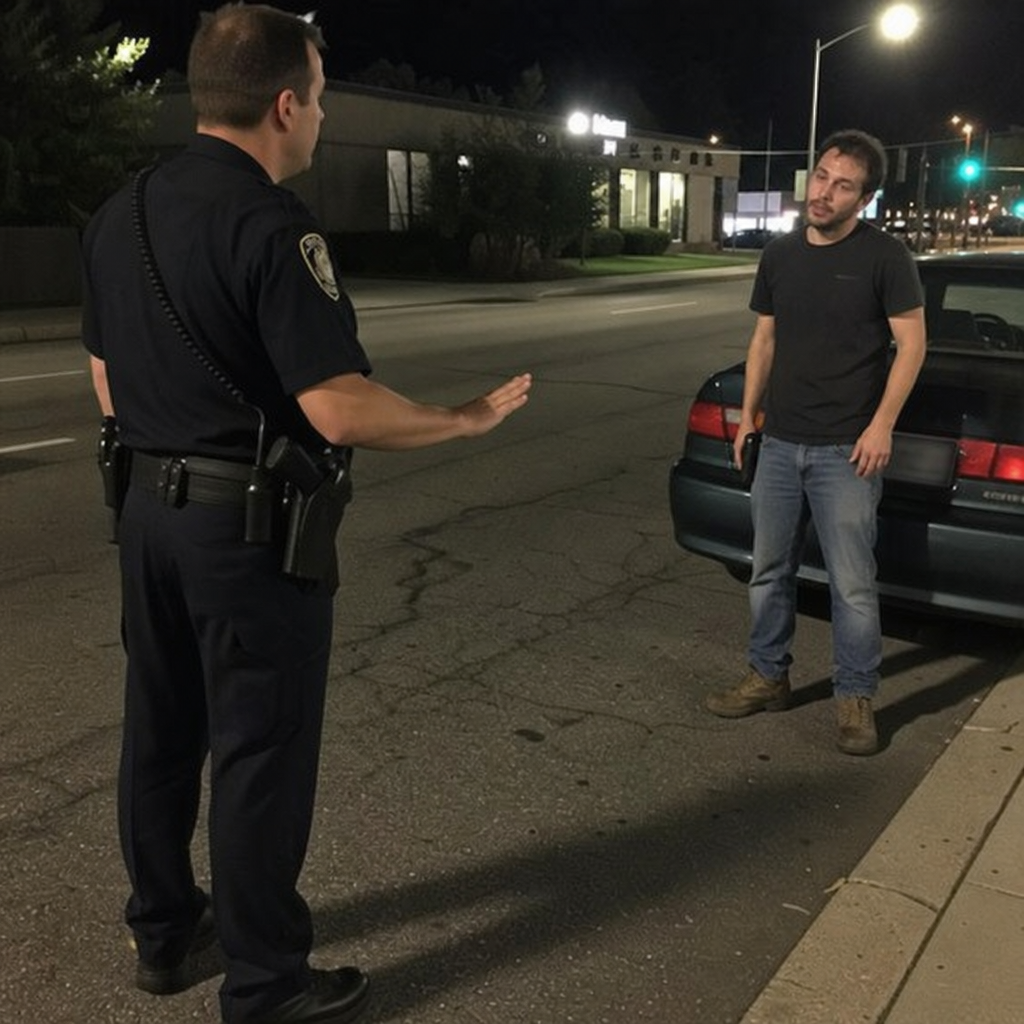
How to successfully confront suspects under the influence of drugs
Confronting an impaired suspect is never just a question of control. Drugs, alcohol, medical distress, fear, confusion, and adrenaline can all change how a person hears commands, reacts to pressure, and perceives risk. A successful response is one that prioritizes safety, slows the situation down when possible, protects everyone nearby, and keeps the focus on lawful, proportionate, and medically aware decision-making.
This article is written in broad, practical terms for readers thinking about public safety, security, workplace response, or community risk. It is not a substitute for law enforcement training, local policy, legal advice, or emergency medical guidance. When there is an immediate threat, suspected overdose, weapon, serious injury, or danger to bystanders, the safest first step is to contact emergency services and let trained professionals take command.
What makes drug-affected encounters so unpredictable?
A person under the influence of drugs may not respond to confrontation in a typical or predictable way because their judgment, perception, pain response, coordination, and emotional regulation can all be affected. Even simple instructions may be misunderstood, ignored, or interpreted as threatening. That means the goal is not to “win” the confrontation quickly, but to reduce danger while creating enough time and space for a safe resolution.
Different substances can produce very different outward behaviors, and no one should assume they can identify a drug simply by looking at a person. Stimulants may be associated with agitation, rapid speech, paranoia, or restlessness. Depressants may produce drowsiness, confusion, poor balance, or slow responses. Hallucinogens may distort perception and make ordinary surroundings seem frightening. Opioids may be linked with slowed breathing, extreme sleepiness, or unresponsiveness. Mixed substances can make the situation even harder to read.
The practical takeaway is simple: behavior matters more than labels. If someone is impaired, frightened, unstable, or medically distressed, the response should be cautious and flexible. Anyone attempting to confront suspects under the influence of drugs should understand that compliance may be delayed, inconsistent, or impossible in the moment.
Safety comes before confrontation
Before anyone moves closer, issues commands, or attempts to intervene, the first question should be whether confrontation is truly necessary right now. Many unsafe encounters escalate because someone rushes in without assessing the environment, the person’s condition, or the availability of backup. A safer approach begins with observation, distance, and a clear plan.
If you are a civilian, employee, manager, or private individual, do not try to physically confront a suspected offender who appears impaired. Move away, protect others if you can do so safely, call emergency services or security, and provide clear information about what you are seeing. If you are a trained professional, follow your agency policy, legal authority, and supervision structure.
A quick safety scan should include:
- Weapons or potential weapons: Look for visible weapons, tools, broken glass, vehicles, or nearby objects that could be used to harm someone.
- Escape routes: Identify how you and others can leave if the situation worsens.
- Bystanders: Move uninvolved people away from the immediate area whenever possible.
- Medical warning signs: Watch for collapse, loss of consciousness, blue or gray lips, labored breathing, chest pain, extreme overheating, seizures, or severe confusion.
- Environmental hazards: Traffic, heights, water, confined spaces, fire, machinery, and sharp objects can turn a tense encounter into a life-threatening one.
- Communication options: Decide who is calling for help, who is observing, and who is keeping others away.
This first assessment does not need to be long, but it does need to happen. A few seconds of situational awareness can prevent poor decisions that are difficult to undo.
The role of calm communication
Communication is often the most important tool in an impaired-person encounter. A calm voice will not solve every situation, but it can reduce fear, limit confusion, and make it easier for the person to process what is happening. The more chaotic the person appears, the more important it becomes for the responder to remain steady.
Speak slowly and use short sentences. Avoid sarcasm, insults, threats, or rapid-fire commands. A person who is intoxicated, disoriented, or paranoid may not be able to follow complex instructions, especially if several people are talking at once. One clear speaker is usually better than multiple voices competing for attention.
Useful communication habits include:
- Introduce yourself simply. “My name is Alex. I’m here to help keep everyone safe.”
- Use one instruction at a time. “Please sit on the curb.” Pause before giving another direction.
- Offer simple choices when safe. “You can sit on the bench or stand by the wall.”
- Acknowledge emotion without agreeing to false beliefs. “I can see you’re scared. I want to understand what you need.”
- Avoid crowding. Distance helps the person feel less trapped and gives responders more reaction time.
- Repeat calmly. Impaired people may need instructions repeated several times before they understand.
Tone matters as much as wording. Commands delivered with unnecessary intensity can increase resistance. On the other hand, vague or overly soft language can create confusion when clear direction is needed. The balance is firm, calm, and respectful.
Reading behavior without jumping to conclusions
It is natural to look for explanations when someone is acting erratically, but assumptions can be dangerous. Apparent drug impairment may overlap with mental health crisis, diabetic emergency, head injury, heat illness, neurological condition, alcohol intoxication, trauma response, or panic. Treating every unusual behavior as intentional defiance can lead to escalation and missed medical needs.
Instead of trying to diagnose the person, focus on observable behavior. Is the person able to answer basic questions? Are they sweating heavily, shaking, stumbling, or nodding off? Are they speaking coherently? Do they seem terrified of something that is not there? Are they becoming more agitated as people move closer? These observations help responders choose safer tactics without pretending to know exactly what substance or condition is involved.
A practical observation framework might include:
- Awareness: Does the person know where they are and what is happening?
- Breathing: Is breathing normal, slow, noisy, or labored?
- Movement: Are movements coordinated, rigid, restless, weak, or uncontrolled?
- Speech: Is speech slurred, pressured, confused, or absent?
- Mood: Does the person seem fearful, angry, euphoric, withdrawn, or panicked?
- Responsiveness: Do they respond to their name, simple questions, or direct instructions?
- Risk behavior: Are they reaching, hiding hands, pacing into traffic, threatening others, or harming themselves?
This kind of observation supports better decisions. It also helps emergency medical responders or law enforcement understand the situation when they arrive.
Why is distance such a powerful de-escalation tool?
Distance reduces pressure on the impaired person and increases safety for everyone involved. When someone feels surrounded, cornered, or rushed, they may react defensively even if they do not fully understand what is happening. Creating space can lower the emotional temperature and give responders more time to communicate, observe, and adjust.
Distance is not the same as disengagement. It means staying present while avoiding unnecessary closeness. A responder can maintain visual contact, continue speaking, and protect bystanders without stepping into the person’s immediate personal space. In many cases, a few extra feet and a less aggressive posture can make the difference between cooperation and panic.
Body language also affects distance. Standing squarely in front of a person with clenched hands, a raised voice, or several people closing in at once can feel threatening. A calmer stance, visible hands, and controlled movement may reduce perceived pressure. The aim is to project confidence without dominance.
For civilians, distance is also a boundary. If a suspect appears impaired and potentially dangerous, do not follow them closely, block their path, or attempt to detain them unless you are legally authorized and trained to do so. Good descriptions, safe observation, video from a distance where lawful, and timely reporting are often far more useful than direct confrontation.
Practical steps for a safer encounter
Every situation is different, but a structured approach helps prevent panic. The following steps are broad and should be adapted to professional training, legal authority, and local policy. They are not a replacement for agency procedures or emergency response protocols.
1. Pause and assess before engaging
Take in the scene before you act. Where is the person? Who else is nearby? Are there vehicles, weapons, children, exits, or hazards? Is the person actively harming someone, or is there time to slow the encounter down?
This pause should be brief but intentional. It helps prevent tunnel vision, where the responder focuses only on the suspect and misses a bigger danger nearby. If the situation is already violent or life-threatening, the priority is to get people to safety and call for immediate help.
2. Call for appropriate support early
Do not wait until the situation is out of control to ask for help. If you suspect intoxication, overdose, psychiatric crisis, or serious medical distress, emergency medical support may be just as important as security or law enforcement. When calling for assistance, describe behavior rather than making unsupported conclusions.
For example, instead of saying only, “They’re on drugs,” say, “The person is sweating heavily, shouting at people who are not there, stumbling into the street, and not following simple instructions.” This gives responders more useful information and helps them prepare.
3. Reduce stimulation where possible
Bright lights, shouting, crowds, sirens, and multiple people giving commands can intensify confusion. If safe, reduce unnecessary noise and movement. Ask bystanders to step back. Keep only essential personnel close enough to communicate.
This does not mean lowering safety measures. It means avoiding avoidable chaos. A quieter environment can help an impaired person process instructions and may reduce the chance of a sudden reaction.
4. Use clear, simple communication
Give one instruction at a time and allow time for a response. Keep your words specific: “Put the bottle on the ground,” “Step away from the door,” or “Sit on the curb.” Avoid long explanations during the most tense moments.
If the person does not comply immediately, consider whether they are refusing, confused, physically unable, or not hearing you. Repeating the instruction calmly may be more effective than raising your voice. If you need to set a boundary, state it plainly without unnecessary threats.
5. Protect dignity whenever possible
People under the influence may be embarrassed, frightened, or humiliated, especially in public. Preserving dignity can reduce resistance. Avoid mocking, shaming, or arguing about moral choices. Focus on behavior and safety.
A phrase like “I’m not here to judge you; I need to make sure nobody gets hurt” can be more effective than accusatory language. Respect does not mean ignoring dangerous conduct. It means addressing the conduct without making the person feel attacked as a human being.
6. Watch for medical deterioration
An impaired person can move from agitated to medically critical quickly. If someone becomes very drowsy, stops responding, has trouble breathing, collapses, has a seizure, complains of chest pain, or appears dangerously overheated, treat it as a medical emergency. Get emergency medical help immediately.
Do not assume that someone is “just high” or “just drunk.” Medical distress can look like noncompliance, and noncompliance can mask medical distress. When in doubt, prioritize medical assessment by qualified professionals.
Communication phrases that can help
The right words do not guarantee safety, but they can make cooperation more likely. The best phrases are short, concrete, and respectful. They tell the person what is happening and what you need them to do.
Consider using language like:
- “I’m going to stay right here. I’m not going to rush you.”
- “I need you to keep your hands where I can see them.”
- “Take one step back from the road.”
- “You seem upset. Tell me what you need right now.”
- “I can listen, but I cannot let you threaten people.”
- “Help is coming. We need to keep you safe until they get here.”
- “I’m going to ask one question at a time.”
- “You do not have to explain everything right now. First, sit down and breathe.”
Avoid phrases that corner the person emotionally or invite argument, such as “Calm down,” “What’s wrong with you?” or “You’re acting crazy.” Even if those words are not meant harshly, they can sound dismissive or humiliating. Better language focuses on the next safe action.
What should civilians do if they encounter an impaired suspect?
Civilians should avoid direct confrontation, move to safety, call emergency services or on-site security, and provide clear observations from a safe distance. If a crime has occurred, personal safety still comes first. Property can be replaced; a confrontation with an impaired and unpredictable person can become dangerous in seconds.
This is especially important in stores, apartment buildings, parking lots, schools, transit areas, and workplaces. Employees may feel pressure to intervene when someone steals, trespasses, damages property, or behaves aggressively. However, unless a person has specific training and authority, the safer choice is usually to observe, report, and protect others from harm.
A civilian response checklist can help:
- Create distance immediately. Do not move closer to confirm suspicions.
- Do not block exits. Trapping an impaired person may escalate panic or aggression.
- Move vulnerable people away. Help children, older adults, customers, or coworkers leave the area.
- Call for help early. Give the location, description, behavior, direction of travel, and any visible weapons.
- Avoid physical contact. Touch can startle or provoke someone who is disoriented.
- Preserve evidence safely. If appropriate and lawful, note details or save video, but do not risk injury to capture footage.
- Follow workplace policy. Retail, healthcare, hospitality, and transportation settings should have clear escalation procedures.
The desire to “do something” is understandable. In many cases, the most effective thing is to stay safe, keep others safe, and pass accurate information to trained responders.
Professional response requires policy, training, and restraint
For law enforcement, security teams, and other trained responders, impaired-person encounters require more than confidence. They require policy knowledge, legal awareness, communication skill, and an understanding of medical risk. A person who appears aggressive may also be in crisis. A person who appears noncompliant may not understand instructions. A person who appears calm may suddenly deteriorate.
Professional teams should prepare before incidents occur. Training should include de-escalation, crisis communication, recognizing medical warning signs, documentation, coordinated response, and when to request medical assistance. Supervisors should reinforce that slowing down is often a strength, not a failure, when there is no immediate threat requiring urgent action.
Key professional priorities include:
- Use the least intrusive approach that is safe and lawful. Escalation should be based on behavior and threat, not frustration.
- Coordinate roles. One person should communicate when possible, while others manage scene safety, bystanders, and radio traffic.
- Document observations. Record what the person did, what was said, what risks were present, and what steps were taken.
- Monitor continuously. A person’s condition can change after initial contact, during waiting periods, or after restraint by trained personnel.
- Request medical evaluation when appropriate. Unusual behavior, suspected intoxication, injury, or altered consciousness may require medical attention.
- Review incidents afterward. Post-incident learning can improve policy, training, and future outcomes.
A professional response should never be based on punishment, annoyance, or proving authority. The point is to stabilize the scene, protect life, preserve evidence where relevant, and resolve the incident lawfully.
Common mistakes that increase risk
Many confrontations worsen because of avoidable mistakes. These errors often come from fear, frustration, embarrassment, or the mistaken belief that immediate dominance is always safer. In drug-affected encounters, that assumption can be dangerous.
Common mistakes include:
- Rushing in without assessing the scene. This can miss weapons, hazards, accomplices, or medical distress.
- Using too many voices. Multiple people shouting instructions can overwhelm an impaired person.
- Taking insults personally. Intoxicated or disoriented people may say extreme things. Reacting emotionally can escalate the encounter.
- Arguing about reality. If someone is hallucinating or paranoid, debating what is real may increase agitation.
- Crowding or cornering. Feeling trapped can trigger fight-or-flight behavior.
- Ignoring medical signs. Confusion, collapse, overheating, and breathing problems require urgent attention.
- Assuming substance use explains everything. Medical, mental health, and trauma-related causes can look similar.
- Over-focusing on compliance. Safety, time, space, and medical stability may matter more than instant obedience.
Avoiding these mistakes does not mean being passive. It means being deliberate. A measured approach is often safer and more effective than a fast, emotionally driven one.
Documentation and reporting matter
After an incident, accurate documentation can protect everyone involved. It helps responders communicate, supports any later investigation, and allows organizations to review whether policies worked. Documentation should be factual, specific, and based on observable behavior.
Useful details include the time and location, what first drew attention, what the person said or did, whether weapons or hazards were visible, who was present, what instructions were given, how the person responded, whether medical help was requested, and how the situation ended. Avoid exaggeration or unsupported claims. “The person was pacing, sweating, yelling at passing cars, and stepping into traffic” is stronger than “The person was acting crazy.”
For businesses and organizations, incident reports can reveal patterns. If similar encounters keep happening in the same location, better lighting, access control, staffing, signage, or response procedures may be needed. Reporting is not just about liability; it is a tool for prevention.
Preparation before an incident happens
The best response begins long before anyone has to confront suspects under the influence of drugs. Workplaces, venues, housing providers, and public-facing organizations should think through these situations in advance. Waiting until a crisis occurs often leads to confusion about who should call for help, who should speak, and where bystanders should go.
Preparation can include:
- Clear escalation policies: Employees should know when to call a supervisor, security, emergency services, or law enforcement.
- De-escalation training: Staff should practice calm communication, boundary-setting, and safe disengagement.
- Medical emergency awareness: Teams should know warning signs that require urgent medical help.
- Environmental design: Good lighting, clear exits, visible cameras where appropriate, and uncluttered spaces can reduce risk.
- Role assignment: In higher-risk workplaces, decide who communicates, who calls for help, and who guides bystanders away.
- Post-incident support: Staff may need time, documentation guidance, and emotional support after a frightening encounter.
Preparation should not encourage employees to act like police officers. It should help them recognize danger, avoid unnecessary confrontation, and respond consistently.
Balancing accountability with humanity
Drug involvement does not erase responsibility for harmful behavior, but it should shape how people respond in the moment. A suspect may have committed a crime, violated a rule, or endangered others. At the same time, they may also be impaired, medically unstable, terrified, or unable to process instructions normally.
A humane response is not a weak response. It can be firm about boundaries while still recognizing risk and vulnerability. “You cannot stay here if you are threatening people” and “We are calling medical help because you may be in danger” can both be true.
This balance matters because the immediate goal is safety. Legal consequences, workplace discipline, trespass decisions, or investigative steps can follow through proper channels. During the encounter itself, the priority is preventing harm and creating conditions where the situation can end without unnecessary injury.
Key takeaways for safer decisions
When dealing with an impaired suspect, success should not be measured by speed, forcefulness, or dramatic control. It should be measured by whether people are safer at the end than they were at the beginning. That requires patience, awareness, and the willingness to call for the right help.
Remember these core principles:
- Keep distance whenever possible.
- Do not physically confront an impaired suspect unless you are trained, authorized, and facing circumstances that require it.
- Use one calm voice and simple instructions.
- Watch for medical distress, not just criminal behavior.
- Move bystanders away from danger.
- Avoid insults, arguments, and unnecessary pressure.
- Call emergency services early when safety or health is at risk.
- Document observable facts after the incident.
- Review policies and training before the next event.
A safe outcome often depends on small choices: stepping back instead of closing in, speaking simply instead of shouting, calling for help before things spiral, and treating the person as both a potential risk and a human being.
A safer approach is a more successful approach
Confrontations involving suspected drug impairment are complex because behavior, medical condition, fear, and legal concerns can all overlap. The safest response is grounded in distance, calm communication, observation, and early support from trained professionals. Whether you are a civilian, employee, security professional, or public safety responder, the goal is the same: reduce harm, protect life, and avoid turning a volatile moment into a preventable tragedy.
When in doubt, slow down if it is safe to do so, get others out of harm’s way, and call for appropriate help. A successful encounter is not the one that looks most forceful. It is the one that ends with the fewest injuries, the clearest decisions, and the greatest respect for safety, law, and human dignity.