.png)
Blogs
Effective Drug Testing for Addiction Recovery Support
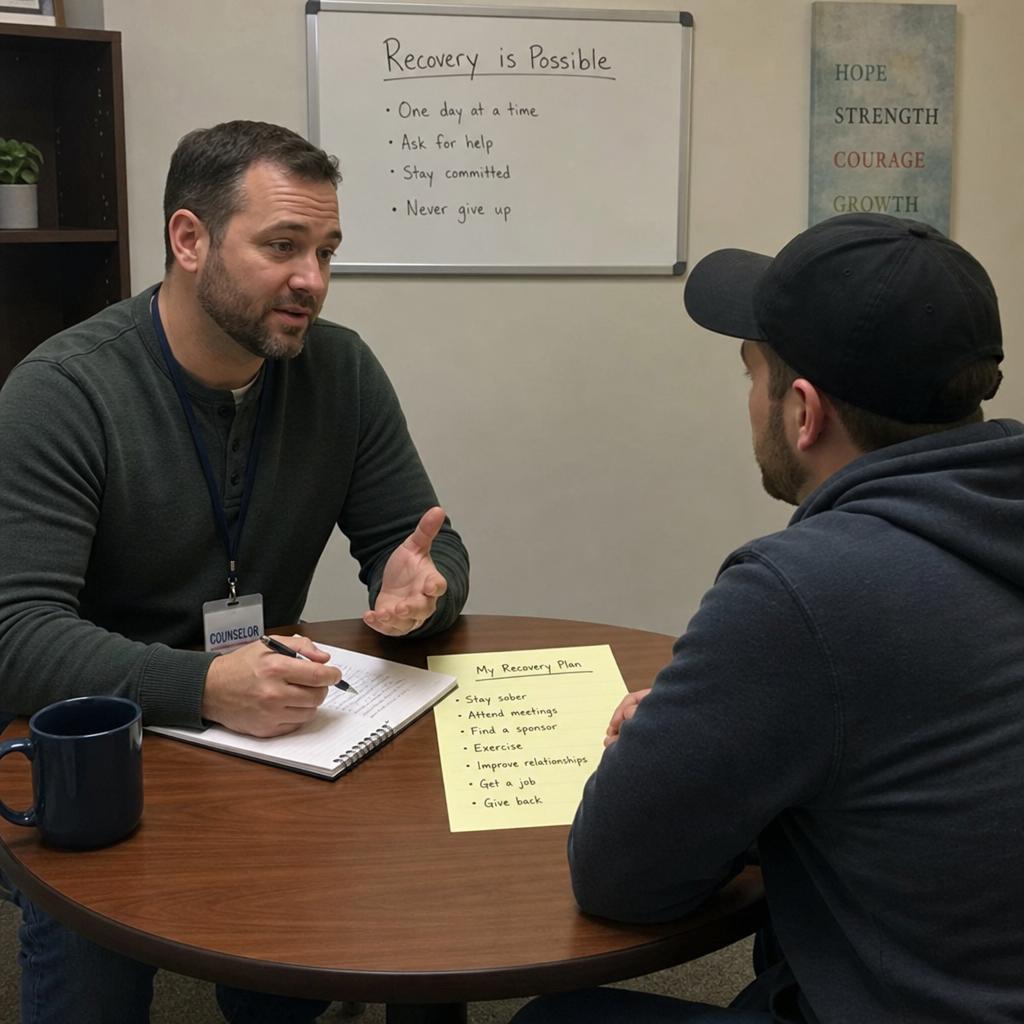
Drug testing addiction recovery basics
Drug testing can play a useful role in addiction recovery when it is handled with respect, transparency, and a clear purpose. Rather than serving as a punishment, it can support accountability, guide treatment conversations, and help people and care teams respond quickly when risk increases. The most effective approach combines testing with counseling, peer support, relapse-prevention planning, and other addiction recovery methods.
How does drug testing support addiction recovery?
Drug testing supports addiction recovery by adding objective information to a process that is often emotional, complex, and difficult to measure. A test result does not tell the whole story of a person’s recovery, but it can confirm progress, identify possible relapse, and open the door to a timely, practical conversation. In a well-designed drug testing addiction recovery plan, the goal is not to shame someone; it is to help them stay engaged, safe, and supported.
Recovery involves daily choices, changing routines, rebuilding trust, and learning how to manage triggers. Drug testing programs can create structure around those goals. For some people, knowing that testing is part of the plan helps reduce impulsive decisions during vulnerable moments. For families, clinicians, case managers, and recovery coaches, results can provide a clearer picture of what kind of support may be needed next.
The key is how testing is introduced. If it is presented as surveillance, it may damage trust. If it is framed as one tool among many, it can become a helpful part of a broader recovery strategy.
Drug testing works best as part of a bigger recovery plan
Drug testing should never be treated as the entire recovery plan. Addiction recovery is more than proving abstinence. It includes understanding patterns, developing coping skills, addressing mental health needs, building healthier relationships, and creating a lifestyle that supports long-term stability.
That is why testing works best when paired with other addiction recovery methods, such as:
- Individual counseling to explore triggers, stress, trauma, and decision-making patterns
- Group therapy or peer support to reduce isolation and build accountability
- Medication-assisted treatment when clinically appropriate
- Recovery coaching or case management for daily structure and goal setting
- Family education to improve communication and boundaries
- Relapse-prevention planning to prepare for high-risk situations
- Lifestyle supports such as sleep routines, exercise, nutrition, and sober activities
When these pieces work together, drug testing becomes a feedback tool. A negative result can reinforce progress and confidence. A positive result can signal that the plan needs adjustment, not that the person has failed as a human being. That difference matters.
Common types of substance abuse testing
Substance abuse testing can be done in several ways, and each method has different uses. The right option depends on the setting, goals, timing, and substances being monitored. A treatment provider, program administrator, or qualified professional should determine what is appropriate.
Common testing methods include:
- Urine testing Urine testing is commonly used because it can detect many substances and is practical in many recovery settings. It may be used for scheduled or random testing, depending on the program.
- Oral fluid testing Oral fluid testing is often used when recent use is the main concern. It is typically easy to collect and may be useful in situations where observation and convenience matter.
- Hair testing Hair testing may show patterns over a longer period, depending on the substance and context. It is not always the best fit for immediate decision-making, but it can be useful in certain monitoring programs.
- Breath testing Breath testing is most often associated with alcohol detection. It can be useful when immediate information is needed.
- Blood testing Blood testing is more invasive and generally used in specific medical, legal, or urgent situations rather than routine recovery monitoring.
No test is perfect. Results should be interpreted carefully, and any unexpected result should be handled through a fair process that may include confirmation testing, clinical discussion, and review of medications or other relevant factors.
What are the main drug test benefits in recovery?
The main drug test benefits in recovery are accountability, early intervention, improved communication, and better-informed treatment planning. Testing can help people recognize progress, identify setbacks quickly, and make recovery decisions based on more than guesswork. It can also help families and professionals respond with support instead of assumptions.
One benefit is structure. Early recovery can feel uncertain, especially when someone is trying to rebuild routines after a period of substance use. A consistent testing schedule can create an external boundary while internal motivation is still developing.
Another benefit is honesty. Many people in recovery want to be truthful but may struggle with shame, fear, or pressure after a lapse. Testing can make difficult conversations easier to start. Instead of debating whether use occurred, the focus can move toward what happened, what triggered it, and what needs to change.
Drug testing can also help rebuild trust. Loved ones often want reassurance, while the person in recovery may want a way to demonstrate commitment. Testing is not a substitute for communication, but it can be one piece of a trust-building process when everyone understands its purpose.
Practical benefits may include:
- Clearer treatment decisions when risk changes
- Earlier response to relapse warning signs
- Documentation for structured programs when needed
- Better alignment between the person in recovery and their support team
- Reduced reliance on suspicion, arguments, or guesswork
- A concrete way to track recovery goals over time
The value comes from using results constructively. A test should lead to a conversation, not a label.
Building respectful and effective drug testing programs
Effective drug testing programs are clear, consistent, and respectful. People should understand why testing is happening, what substances are included, how often testing may occur, who will see the results, and what happens after different outcomes. Ambiguity creates anxiety. Clarity creates cooperation.
A respectful program usually includes these elements:
- Informed expectations: The person understands the purpose, process, and possible next steps.
- Privacy protections: Results are shared only with appropriate people according to the setting and consent requirements.
- Consistent procedures: Testing is not used randomly as a threat or emotional reaction.
- Confirmation options: Unexpected or disputed results are handled carefully.
- Supportive response plans: Positive results lead to assessment, safety planning, and treatment adjustments.
- Nonjudgmental communication: Staff and support people use language that preserves dignity.
Random testing may be appropriate in some settings because it can reduce planning around test dates. Scheduled testing may work better in others because it feels predictable and less stressful. The best choice depends on the person’s recovery stage, risk level, treatment environment, and any legal or workplace requirements.
A strong program also avoids using testing as the only measure of success. Someone may have negative results and still be struggling emotionally. Someone may have a positive result and still be deeply committed to recovery. Results matter, but they must be interpreted in context.
Addiction screening tools and testing are not the same
Addiction screening tools help identify possible substance use concerns, while drug tests look for evidence of substances in the body. Both can be useful, but they answer different questions. Screening tools often explore behavior, frequency, consequences, cravings, and risk patterns; drug tests provide biological information at a specific point in time.
This distinction is important because recovery planning should not rely on testing alone. A person’s story, mental health, environment, medical history, and support system all matter. Addiction screening tools can help professionals understand severity, motivation, co-occurring concerns, and the level of care that may be needed.
For example, a screening conversation may reveal that someone uses substances when experiencing panic, grief, pain, or social pressure. A drug test may confirm whether recent use occurred, but it will not explain why. Combining both types of information helps create a more realistic and compassionate plan.
In many recovery settings, screening and testing work together like this:
- Screening identifies risk and helps guide the initial plan.
- Testing monitors progress and detects possible substance use.
- Counseling explores causes, triggers, and coping strategies.
- Ongoing review adjusts the plan as needs change.
That combination is stronger than any single tool on its own.
Reducing stigma around testing
One of the biggest challenges with drug testing addiction recovery programs is stigma. Many people associate testing with punishment, mistrust, or legal trouble. If those feelings are ignored, testing may create resistance instead of engagement.
Language makes a difference. Saying “a positive test means we need to understand what happened” is very different from saying “you failed.” Recovery is a behavioral health process, and setbacks can occur. A supportive response does not excuse harmful behavior, but it does keep the focus on safety, responsibility, and next steps.
Families and support teams can reduce stigma by agreeing on expectations before emotions run high. Instead of using testing during arguments, they can decide in advance how testing fits into boundaries, treatment goals, and communication. This helps prevent testing from becoming a weapon.
People in recovery also deserve to know that a test result is not their identity. It is information. Useful information, sometimes urgent information, but still only one part of a larger picture.
Practical tips for using testing in a recovery plan
A thoughtful approach can make testing more effective and less stressful. Whether testing is part of treatment, family accountability, sober living, court requirements, or workplace-related support, the process should be planned carefully.
Consider these practical steps:
- Define the purpose first. Decide whether the goal is safety, treatment planning, accountability, documentation, or relapse prevention. A clear purpose shapes everything else.
- Discuss expectations in advance. Everyone involved should understand the testing schedule, substances being tested, privacy rules, and response plan.
- Use qualified guidance. Testing decisions should be informed by professionals when possible, especially when results may affect treatment, housing, employment, or legal status.
- Plan for positive results before they happen. A response plan may include a clinical check-in, increased support, revised treatment goals, or safety steps. Avoid making decisions in panic.
- Celebrate progress appropriately. Negative results can be acknowledged as part of progress, while still recognizing that emotional and behavioral recovery takes ongoing work.
- Keep communication respectful. Testing should support honesty, not fear. Respectful conversations make it more likely that people will stay engaged.
A balanced takeaway
Drug testing can be a valuable part of addiction recovery when it is used with purpose, care, and context. It can support accountability, identify relapse risks, and help guide treatment decisions, but it should always be paired with counseling, support, and other evidence-informed addiction recovery methods.
The best drug testing programs treat results as information, not judgment. When substance abuse testing and addiction screening tools are used thoughtfully, they can help people build safer routines, strengthen trust, and stay connected to the support they need. Recovery is not defined by a single test; it is built through honest reflection, practical tools, and consistent support over time.