.png)
Blogs
Brown Heroin vs White Heroin vs Black Tar: Key Differences
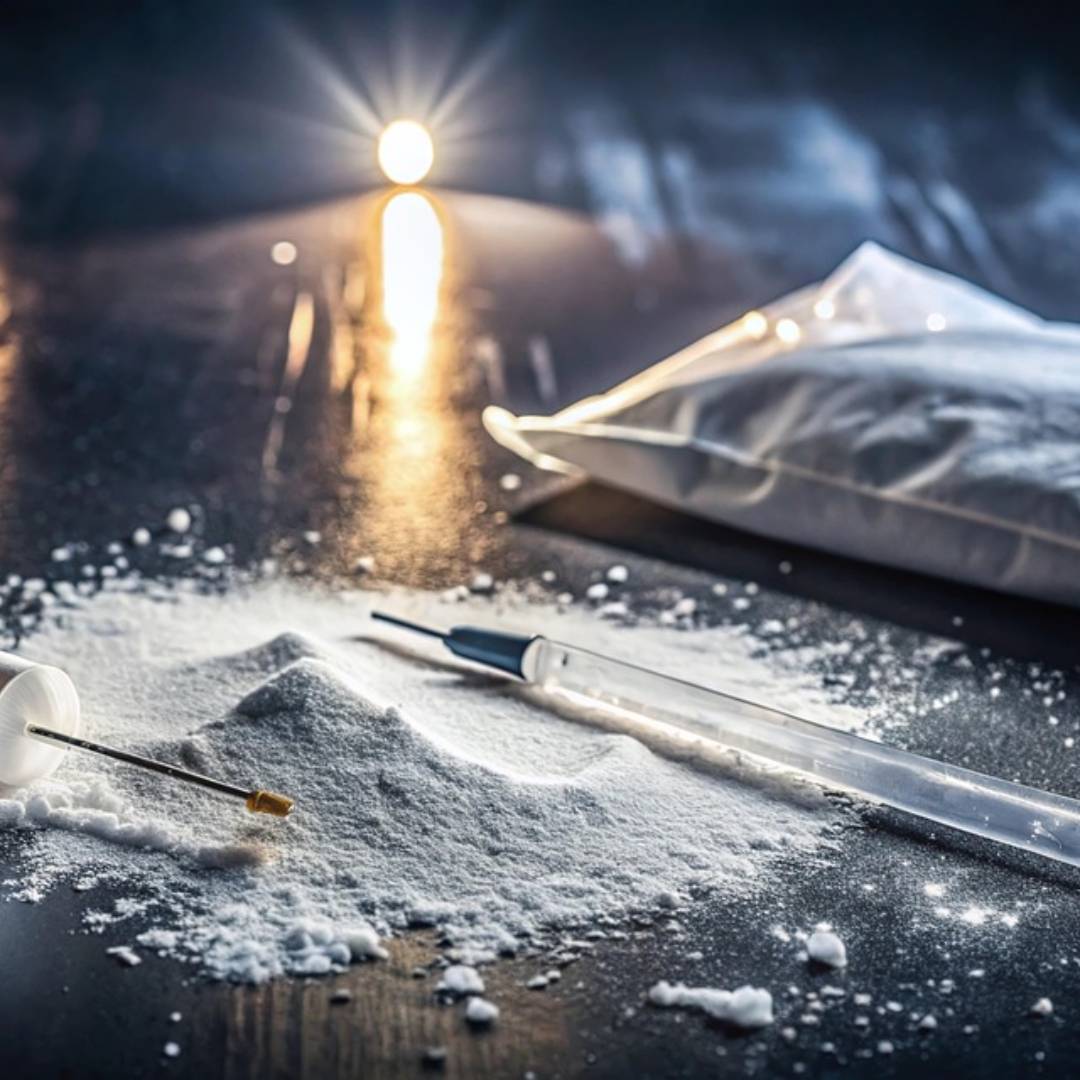
Examining the difference between brown heroin, white heroin and black tar heroin
Heroin's appearance can provide useful context, but it should never drive enforcement or security decisions by itself. For law enforcement and transportation security teams, the difference between brown heroin, white heroin, and black tar heroin is best understood as a risk-assessment issue: what the substance may be, how it may behave during handling, what testing is needed, and how to protect officers, passengers, evidence integrity, and the public.
The practical takeaway is simple: color and texture may guide suspicion, but they do not confirm identity, purity, origin, or danger level. In modern enforcement settings, suspected heroin must be treated as an unknown controlled-substance hazard until trained personnel, approved procedures, and laboratory confirmation establish what it is.
What do the color differences actually mean?
Brown, white, and black tar heroin are informal appearance-based categories, not reliable legal or scientific classifications. The DEA describes heroin as appearing as a white or brownish powder or as a black sticky substance known as black tar heroin, and its more recent materials note that U.S. heroin has commonly appeared in several forms, including white powder, brown powder, and black tar. (dea.gov)
For police, customs, corrections, transit, aviation, and other security personnel, that distinction matters because appearance affects how a substance may be noticed, packaged, collected, and protected as evidence. A powder may disperse, contaminate surfaces, or be mistaken for another powdered material. A sticky tar-like substance may adhere to packaging, gloves, tools, or hidden compartments. Yet both can contain unexpected adulterants, synthetic opioids, or other substances that change the risk profile.
The phrase brown vs white heroin often sounds like a simple comparison, but it can be misleading. Brown powder may be darker because of processing differences, impurities, added substances, age, moisture, or other factors. White powder may look more refined, but a lighter color does not prove higher purity, lower risk, or a particular geographic source. Black tar heroin may look more visually distinctive, but black or dark sticky material can also include non-heroin substances or mixtures.
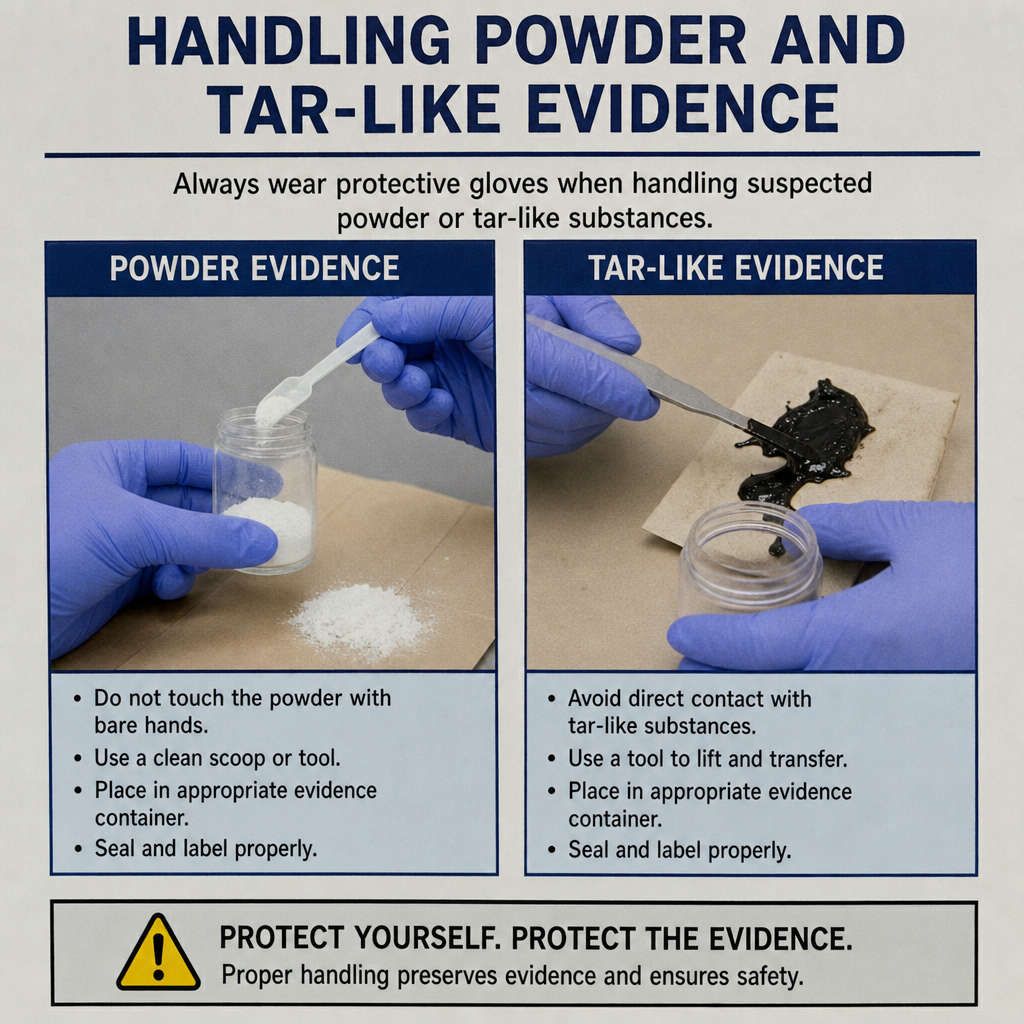
Appearance categories and enforcement relevance
The comparison of brown heroin vs white heroin vs black tar heroin should be used as a field-awareness framework, not as a shortcut. Officers and security personnel often begin with what they can see: color, texture, packaging, location, odor, residue, and surrounding circumstances. That observation can help determine whether to isolate an item, call a supervisor, request a hazardous-materials response, notify law enforcement partners, or submit evidence for laboratory analysis.
Brown heroin
Brown heroin is typically discussed as a brownish powder or granular material. In an enforcement context, the key concern is that it may not resemble the stereotypical “white powder” many people associate with narcotics. It may look closer to dirt, crushed tablets, powdered food, cosmetic material, residue, or debris, depending on the setting.
That creates two practical problems. First, brown powder can be underestimated during searches, booking, property intake, vehicle inventory, or baggage screening. Second, if personnel assume it is “just heroin” based on color, they may miss the possibility of fentanyl, xylazine, medetomidine, cutting agents, or other compounds that require heightened caution. DEA threat assessments have emphasized the changing relationship between heroin and fentanyl in the drug supply, including samples containing both substances. (dea.gov)
For transportation security, brown powder may also present an image-interpretation problem. Powders, granular materials, cosmetics, supplements, and food items can clutter bags or obstruct clear X-ray images, and TSA materials state that items may be subject to additional screening if they trigger an alarm, appear tampered with, or create security concerns. (tsa.gov)
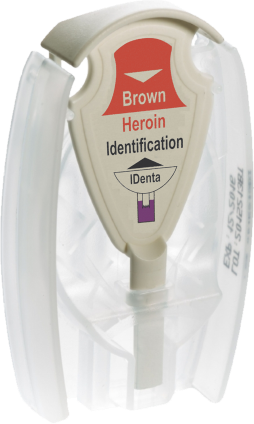
White heroin
White heroin is often described as a lighter powder form. In public conversation, it is sometimes treated as a sign of greater refinement, but that assumption is not safe for field decisions. White powder can be heroin, fentanyl, cocaine, crushed medication, benign household material, or a mixture of substances.
For law enforcement, the main issue is not whether the powder appears “clean.” The issue is that fine powders are easy to transfer, aerosolize during careless handling, and contaminate uniforms, evidence bags, patrol vehicles, holding areas, or inspection surfaces. A small amount of residue on a phone, wallet, folded paper, plastic bag, or container can create uncertainty about exposure and chain of custody.
White powder also creates communication challenges. A report that says “white powder suspected heroin” may sound specific, but without confirmatory testing it remains presumptive. Reports should distinguish between observations, field-test results, officer statements, and confirmed laboratory findings.
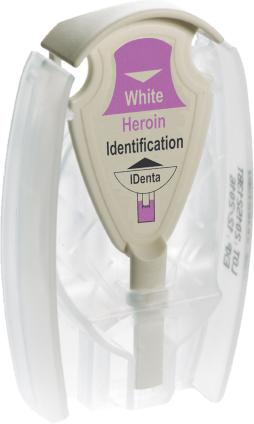
Black tar heroin
Black tar heroin is generally described as a dark, sticky, resinous, or tar-like substance. Its texture can affect evidence handling more than its color does. It may cling to packaging, tools, gloves, containers, or interior surfaces, which increases the chance of cross-contamination if procedures are rushed.
In transportation environments, tar-like material may be encountered as a suspicious residue, a wrapped mass, or a substance adhered to an object. The concern is not only narcotics enforcement. Sticky unknown material can interfere with inspection, raise sanitation concerns, and require controlled handling so personnel do not spread residue across screening areas, baggage surfaces, or equipment.
Black tar can also create false confidence because it is visually memorable. Personnel may think they “know what it is” when they see it. That is exactly when procedure matters most: isolate, document, limit handling, preserve evidence, and seek proper identification.
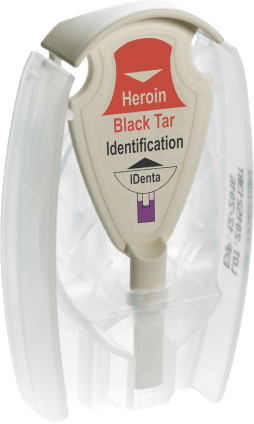
Core distinctions that matter in the field
The safest way to compare these forms is to focus on operational implications instead of street assumptions. The following distinctions are useful for training, incident review, and policy development:
- Form and texture: Brown and white heroin are usually discussed as powders, while black tar is discussed as sticky or tar-like. Texture influences how easily a substance spreads, adheres, or contaminates surfaces.
- Visual reliability: Color is a weak identifier. A substance that looks like heroin may not be heroin, and heroin may be mixed with other drugs.
- Evidence handling: Powders and sticky materials require different practical controls, but both should be handled as unknown hazards.
- Testing needs: Field identification is presumptive. Laboratory analysis is required for a defensible conclusion in most enforcement and prosecution contexts.
- Officer safety: Modern drug encounters require awareness of potent synthetic opioids and adulterants, regardless of whether the substance is brown, white, or black.
- Transportation security response: Discovery during screening should be escalated according to agency policy, with attention to checkpoint safety, passenger flow, legal authority, and evidence preservation.
These points keep the discussion grounded in public safety. They also prevent the common training mistake of teaching appearance as if it were a definitive diagnostic tool.
Why does appearance matter for law enforcement decisions?
Appearance matters because it influences initial suspicion, scene control, officer safety, evidence preservation, and communication. It does not matter because it proves what the substance is; it matters because it helps personnel decide what precautions to take before proof exists.
In patrol, corrections, probation, interdiction, and investigative work, officers often make quick decisions under imperfect conditions. A powder on a dashboard, a bindle in a pocket, a residue inside foil, a dark sticky mass in packaging, or a suspicious item in luggage may require immediate action. The goal is not to identify the substance by sight. The goal is to prevent exposure, secure the area, protect constitutional and procedural requirements, and preserve the item for proper testing.
Probable cause and reasonable suspicion should not rely on color alone
Color may be one fact among many, but it is rarely enough by itself. Context may include statements, packaging, paraphernalia, canine alerts where legally applicable, observed transactions, warrants, consent, plain-view circumstances, or other lawful grounds. The precise legal threshold depends on jurisdiction, case facts, agency policy, and court decisions, so personnel should avoid treating appearance as a substitute for legal analysis.
This is especially important in transportation settings. Security screening is not the same as a narcotics investigation. TSA states that its officers do not search for illegal drugs, but if an illegal substance or evidence of criminal activity is discovered during screening, the matter is referred to law enforcement. (tsa.gov)
Officer safety decisions must assume uncertainty
A suspected heroin encounter should be managed as an unknown-substance event. NIOSH guidance for emergency responders emphasizes preventing occupational exposure to illicit drugs, including fentanyl, and bases recommendations on toxicity, chemical properties, law-enforcement exposure evaluations, and industrial hygiene principles. (cdc.gov)
That does not mean every encounter requires panic or an exaggerated response. It means personnel should use measured, procedure-based precautions: avoid unnecessary handling, prevent airborne dust, use appropriate gloves, keep hands away from the face, avoid eating or drinking near evidence, and follow agency protocols for packaging, decontamination, and medical evaluation.
Documentation should separate observation from conclusion
Good reports describe what was seen without overstating certainty. Instead of writing as though the substance was confirmed at the scene, personnel can document that an item was “a brown powdery substance,” “a white powder residue,” or “a black tar-like material” and then state what presumptive test, if any, was used under policy.
This distinction matters later. Prosecutors, defense attorneys, supervisors, laboratory staff, and risk managers all need to know what was observed, what was assumed, what was tested, and what was confirmed.
Transportation security implications
Transportation security teams work in environments where speed, public movement, privacy, and safety intersect. Airports, bus terminals, ports, rail stations, cargo facilities, and transit hubs are not controlled like a laboratory or evidence room. A suspected narcotics discovery can create a security, legal, operational, and public-relations issue at the same time.
The most important principle is role clarity. Transportation security personnel are generally focused on threats to transportation systems, passengers, crews, and infrastructure. When suspected heroin is encountered, the response should follow the agency’s established referral and incident procedures rather than turning the screening process into an improvised narcotics investigation.
Checkpoint and baggage-screening concerns
Powders and tar-like substances may be discovered during routine screening, secondary inspection, alarm resolution, property searches, abandoned-bag investigations, or cargo inspections. The initial security question is whether the item presents a threat to the transportation environment. The narcotics question often becomes a law-enforcement referral issue.
TSA guidance notes that even generally permitted items can receive additional screening or be disallowed if they trigger an alarm, appear tampered with, or raise other security concerns. It also notes that powders and items cluttering a bag can interfere with clear X-ray images. (tsa.gov)
Public-area management
A suspected heroin discovery in a crowded environment should be handled calmly. Overreaction can create unnecessary alarm, while underreaction can spread contamination or compromise evidence. Personnel should maintain normal movement when possible, secure the immediate item, limit access to the affected surface, and call the appropriate law-enforcement or supervisory contact.
If the material is loose, leaking, or dispersed, the response may require a broader containment decision. That decision should be based on agency policy, the amount and condition of the substance, exposure concerns, screening-equipment contamination, and the availability of trained responders.
Cargo, mail, and freight environments
Cargo and parcel settings add complexity because workers may encounter suspicious powders or sticky materials inside packaging, on conveyor systems, or within damaged shipments. The same color categories apply, but the scale and contamination pattern may be different. Personnel may not know who handled the package, how long it has been in the system, or whether residue has transferred to other items.
In these settings, supervisors should prioritize worker safety, isolation of affected materials, documentation of package condition, and notification procedures. Staff should avoid opening, smelling, shaking, or field-testing unknown substances unless trained and authorized to do so.
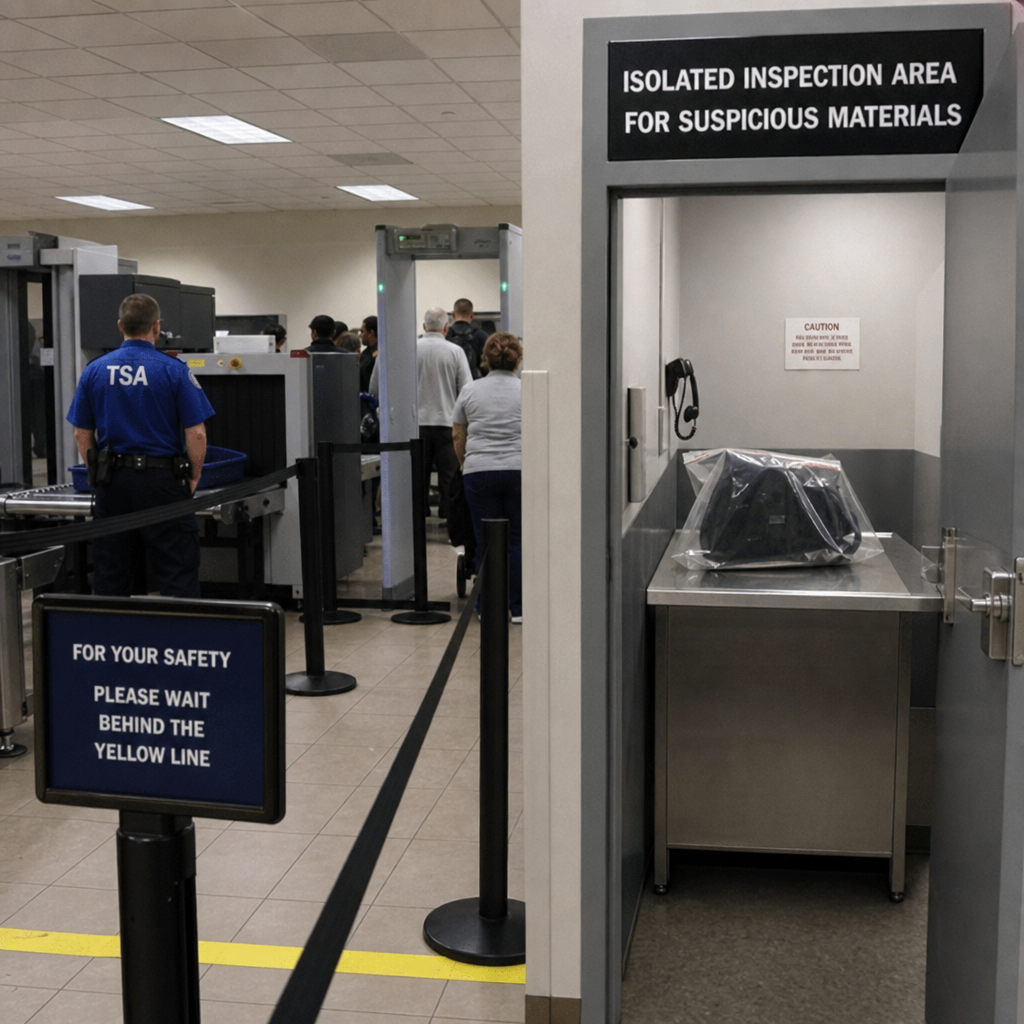
Safe handling principles for suspected heroin
Safe handling is not about fear; it is about consistency. The same basic approach should apply whether the suspected substance is brown powder, white powder, or black tar. The form changes the technique, but not the need for control.
A practical field checklist
Use this checklist as a policy discussion aid, not as a replacement for agency training:
- Pause before touching. Visually assess the item and surrounding area before moving it.
- Treat the material as unknown. Do not assume heroin, fentanyl, medication, or a benign substance based on appearance.
- Use appropriate PPE. Follow agency guidance for gloves, eye protection, respiratory protection, and protective clothing based on the scene and task.
- Avoid creating dust or residue spread. Do not shake containers, brush powders, compress packaging, or scrape sticky material unnecessarily.
- Control the immediate area. Keep uninvolved personnel, passengers, detainees, and bystanders away from the item.
- Document before disturbance when safe. Photographs, notes, and location details can preserve context.
- Package according to policy. Powders, residues, and sticky materials may require different containers or inner packaging to prevent leakage and contamination.
- Separate contaminated tools or gloves. Avoid transferring residue to notebooks, radios, phones, vehicles, screening equipment, or clean evidence.
- Request trained support when needed. Unknown bulk quantities, dispersed powders, or exposure concerns may require specialized response.
- Submit for confirmatory analysis. Do not let appearance or field tests replace laboratory confirmation where required.
This checklist is deliberately conservative. It supports officer safety, evidence integrity, and defensible decision-making without relying on visual stereotypes.
PPE and exposure prevention
NIOSH resources identify emergency responders, including law enforcement and evidence personnel, as workers who may face exposure risks from illicit drugs such as fentanyl. The agency’s materials emphasize PPE, training, exposure prevention, and task-based risk assessment. (cdc.gov)
For a small, contained item, disposable gloves and careful handling may be appropriate under agency policy. For loose powder, damaged packaging, visible airborne dust, bulk material, or unknown contamination, the response may need to escalate. Agencies should train personnel on when to stop, secure the scene, and call specialized resources rather than improvising.
Evidence integrity and contamination control
Powder and tar-like substances can both create cross-contamination problems. Powder may transfer invisibly from a surface to gloves or equipment. Tar-like material may leave visible smears that are easier to notice but harder to remove.
Evidence procedures should account for these differences. A sticky item may need packaging that prevents adhesion to exterior surfaces. A powder may need packaging that prevents leakage. Residue from either form should be kept away from unrelated evidence, personal property, and work surfaces.
Testing and identification limits
Testing is where appearance-based language becomes especially risky. Brown, white, and black tar are descriptions, not confirmations. An item can look like heroin and test negative for heroin. It can also test positive for heroin while containing other substances that materially affect health and enforcement risk.
Field tests are presumptive
Many agencies use field-testing tools under specific policies, but presumptive results are not the same as laboratory confirmation. Field tests can be affected by user technique, mixture complexity, environmental conditions, packaging contamination, or interfering substances. A presumptive positive may support next steps, but the final evidentiary conclusion usually depends on accredited laboratory analysis.
Personnel should also know when not to field test. Loose powder, suspected fentanyl mixtures, poor ventilation, high-traffic public areas, or limited PPE may make field testing inappropriate. Agency policy should state who is authorized, what equipment is approved, where testing may occur, and when the sample must be secured and sent to a lab without further manipulation.
Laboratory analysis answers the question appearance cannot
A laboratory can identify whether a sample contains heroin, fentanyl, other opioids, adulterants, diluents, or no controlled substance at all. That matters for charging, prosecution, intelligence, public-health alerts, and officer-safety bulletins. It also protects the credibility of the case by replacing visual certainty with scientific evidence.
For transportation security incidents, confirmatory testing may occur after referral to law enforcement. The screening officer’s role is often to document discovery and preserve the condition of the item until the proper authority takes over.
Intelligence value without overclaiming
Drug appearance can have intelligence value, but only when combined with laboratory results, packaging observations, lawful investigative information, and broader trend analysis. DEA assessments have described multiple heroin forms in the United States and have tracked the increasing significance of fentanyl and other adulterants in the illicit drug supply. (dea.gov)
For law enforcement leadership, the useful question is not “What color was it?” but “What pattern does this confirmed evidence support?” A cluster of similar packaging, repeat locations, confirmed lab results, overdose events, or transportation seizures may support an intelligence product. A single visual observation should not.
What appearance may help analysts notice
Appearance may help analysts organize reports, especially when officers consistently document it. For example, a series of cases involving tar-like substances in a particular operational environment may suggest a training need, a packaging pattern, or a recurring contamination problem. A series of white-powder encounters that later test as fentanyl rather than heroin may indicate that field terminology needs updating.
However, analysts should avoid turning appearance into unsupported claims about origin, supply chain, purity, or organization. Those conclusions require stronger evidence than color.
Why modern adulteration changes the old categories
Older field narratives often treated brown, white, and black tar heroin as if each had predictable meaning. That approach is increasingly unsafe. Fentanyl and other additives can appear in powders and mixtures, and DEA materials have highlighted fentanyl’s continuing role in the national drug threat. (dea.gov)
This changes training priorities. Personnel should learn the categories, but they should also learn why the categories are incomplete. The safest message is: observe carefully, assume uncertainty, protect yourself, preserve evidence, and confirm through proper testing.
How should transportation security personnel respond when suspected heroin is found?
Transportation security personnel should respond by stabilizing the screening or inspection situation, limiting unnecessary handling, following agency referral procedures, and allowing law enforcement to address the suspected criminal component. The response should be calm, documented, and consistent with the security mission.
A practical sequence may look like this:
- Recognize the concern. A powder, residue, packet, capsule, tar-like mass, or tampered item creates a security and safety question.
- Stop unnecessary manipulation. Do not open additional layers, smell the item, shake it, or attempt informal identification.
- Maintain control of the item and area. Keep the property in view and limit access while following passenger, employee, or cargo protocols.
- Notify a supervisor. Escalation should happen early so the situation is managed consistently.
- Follow referral procedures. If policy requires law-enforcement notification, make the referral without expanding beyond the security role.
- Protect people and equipment. If residue is loose or has contacted surfaces, follow contamination and cleaning protocols.
- Document the event. Record observations, time, location, personnel involved, and actions taken.
- Preserve professionalism. Avoid making public accusations or definitive statements before law enforcement and testing processes occur.
This sequence protects the screening environment while respecting the limits of the security officer’s role.
Training priorities for agencies and security teams
A good training program does not simply show photos of brown, white, and black tar heroin. It teaches personnel how to think under uncertainty. The visual comparison is only the starting point.
Scenario-based recognition
Training should include realistic scenarios: a brown powder in a backpack, a white residue in a vehicle, a black sticky substance in packaging, a powder spill at intake, or a suspicious item found during cargo screening. Each scenario should ask the same core questions: What do you know? What do you not know? Who has authority? What is the safest next step?
Scenario training helps personnel avoid two dangerous habits: ignoring suspicious substances because they do not match a stereotype, and over-identifying substances because they do.
Report-writing practice
Report writing should reinforce careful language. Trainees can practice replacing conclusory language with observational language. For example, “suspected heroin” may be appropriate after context and policy-supported testing, but the initial description should still specify what the officer actually saw: color, texture, packaging, location, and condition.
Strong documentation supports prosecutions, protects agencies from avoidable disputes, and helps analysts identify confirmed trends.
Coordination with public health and laboratories
Law enforcement and transportation security do not operate in isolation. Laboratories, emergency medical services, poison centers, public-health agencies, and prosecutors may all have a role after suspected heroin is discovered. Agencies should build clear communication pathways for exposure concerns, overdose clusters, unusual adulterants, or recurring transportation incidents.
This coordination is especially important when drug mixtures change faster than training materials. Current threat information should be reviewed through official sources and local intelligence channels rather than informal assumptions.
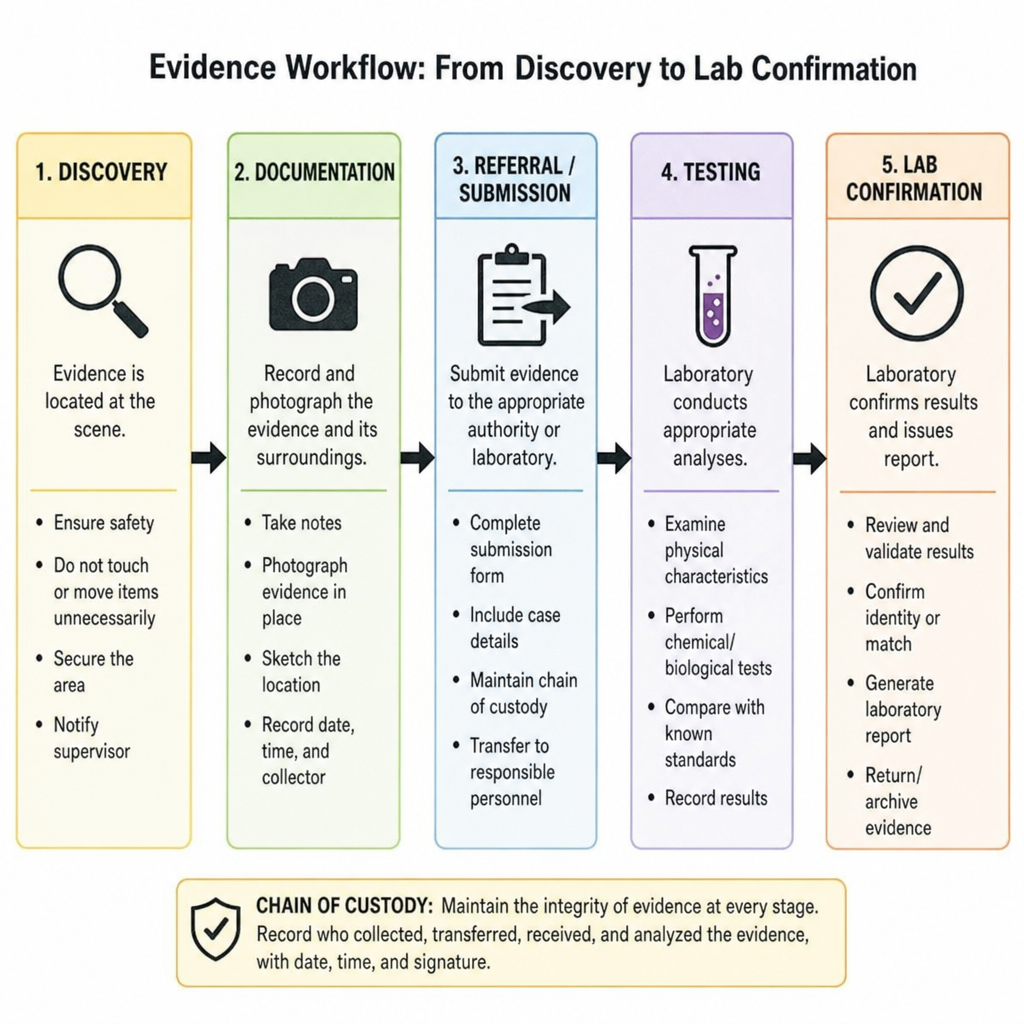
Common mistakes to avoid
Even experienced personnel can make errors when a substance looks familiar. The following mistakes are common enough to deserve explicit training attention:
- Assuming white means pure. White powder can be many things, including mixtures that are highly dangerous.
- Assuming brown means lower risk. Brown color does not make a substance safer to handle.
- Assuming black tar is always easy to contain. Sticky material can spread through contact and contaminate gloves, bags, tools, and surfaces.
- Using appearance as proof. Color and texture are observations, not laboratory findings.
- Field testing in unsafe conditions. Testing should not create exposure risks or disrupt a public security environment.
- Failing to isolate contaminated items. Small residues can affect later evidence handling and workplace safety.
- Writing reports with premature certainty. Documentation should preserve the difference between suspicion and confirmation.
- Forgetting role boundaries. Transportation security discovery and law-enforcement investigation are related but distinct functions.
Avoiding these mistakes improves safety and credibility. It also makes cross-agency cooperation easier because each participant receives clearer, more reliable information.
The most useful way to understand the comparison
The phrase brown heroin vs white heroin vs black tar heroin is useful only when it leads to better procedure. Brown powder, white powder, and black tar-like substances differ in appearance and handling concerns, but none can be safely or legally identified by sight alone.
For law enforcement, the comparison should sharpen observation, not replace testing. For transportation security, it should support safe referral, not encourage improvised drug enforcement. For supervisors, trainers, and analysts, it should become part of a larger framework that includes officer safety, lawful authority, evidence integrity, laboratory confirmation, and current threat awareness.
In practice, the best response is disciplined and repeatable: observe the material, control the scene, avoid unnecessary exposure, document accurately, preserve evidence, notify the right authority, and rely on confirmatory analysis. That approach protects personnel, passengers, the public, and the integrity of the case—regardless of whether the suspected substance appears brown, white, or black tar-like.