.png)
Blogs
Barbiturates Street Drug Risks: Abuse, Effects, and Safety
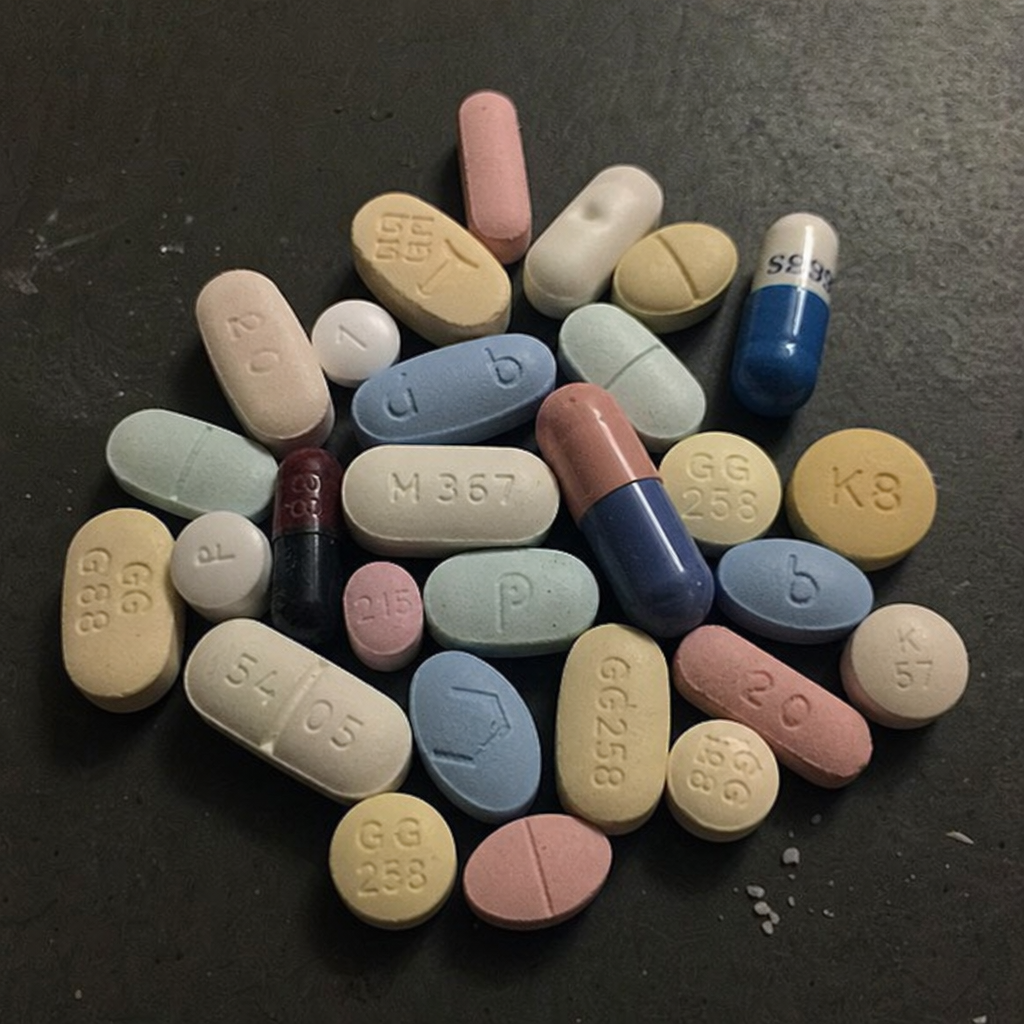
Barbiturates as a street drug
Barbiturates are sedative drugs that may be prescribed in limited medical situations, but they also appear as misused pills or capsules on the illegal market. As a barbiturates street drug topic, the biggest concern is not only intoxication; it is the narrow margin between feeling sedated and experiencing a medical emergency. This article explains what street barbiturates are, common barbiturates effects, warning signs of barbiturate abuse, and why withdrawal should be handled with medical support.
What are barbiturates as a street drug?
Barbiturates are central nervous system depressants, meaning they slow brain and body activity. Some examples include phenobarbital, butalbital, secobarbital, and pentobarbital; the DEA notes that barbiturates are older drugs, and that tolerance and dependence can develop rapidly, raising overdose risk. (dea.gov)
When people talk about a barbiturates street drug, they are usually referring to diverted prescription products, counterfeit or illegally obtained pills, or older medications passed between people. Common street names have included “barbs,” “reds,” “yellows,” “yellow jackets,” “phennies,” and “downers,” though slang changes by place and time. (medlineplus.gov)
Why street barbiturates are especially risky
Barbiturates can cause relaxation, sleepiness, lowered inhibition, and euphoria, which is one reason they are misused. The danger is that the same drug action can also impair judgment, coordination, memory, and breathing. The DEA lists depressant effects such as confusion, reduced reaction time, slurred speech, poor coordination, low blood pressure, and slowed breathing. (dea.gov)
Street use adds another layer of risk because the person may not know the exact drug, dose, strength, or whether other substances are present. Mixing barbiturates with alcohol, opioids, benzodiazepines, sleep medications, or other depressants can increase sedation and breathing problems. This is why barbiturate abuse can become dangerous quickly, even when someone believes they are taking a familiar pill.
Key risk factors include:
- Unknown potency: A pill bought or shared outside a pharmacy may not be what someone thinks it is.
- Rapid tolerance: Needing more for the same effect can push use toward dangerous doses.
- Polysubstance use: Alcohol and other sedatives can compound breathing and consciousness problems.
- Delayed help-seeking: A person who looks “asleep” may actually be overdosing.
- Dependence: Stopping suddenly after ongoing use can trigger severe barbiturate withdrawal.
Common barbiturates effects on the mind and body
The short-term barbiturates effects may look like alcohol intoxication: drowsiness, poor balance, slowed reflexes, slurred speech, emotional swings, confusion, and impaired decision-making. MedlinePlus lists harmful depressant effects including decreased attention span, impaired judgment, lack of coordination, lowered blood pressure, memory problems, and slurred speech. (medlineplus.gov)
These effects matter because they increase everyday risks. A person may drive, fall, take more pills, combine substances, or become unable to respond to danger. In heavier intoxication, barbiturates can depress breathing and consciousness, which can become life-threatening.
Longer-term misuse can affect relationships, school, work, finances, and mental health. It can also create a cycle where a person uses the drug to sleep, calm anxiety, avoid withdrawal, or come down from other substances. That cycle is a warning sign for barbiturate addiction, not a personal failure.
Warning signs of barbiturate abuse and addiction
Barbiturate abuse can be hard to spot because early signs may be explained away as tiredness, stress, or drinking. The pattern becomes more concerning when drug use continues despite harm, secrecy increases, or the person needs the substance to feel normal.
Watch for signs such as:
- Behavior changes: isolation, missed obligations, unusual sleep patterns, or sudden mood shifts.
- Physical signs: slurred speech, stumbling, heavy drowsiness, slowed reactions, or confusion.
- Medication problems: missing pills, doctor shopping, borrowing prescriptions, or using someone else’s medication.
- Loss of control: taking more than intended, failed attempts to stop, or strong cravings.
- Risky mixing: using with alcohol, opioids, benzodiazepines, or other sedatives.
Addiction is not defined only by how often someone uses. It is also about control, consequences, cravings, tolerance, and withdrawal. MedlinePlus describes addiction as body and mind dependence, where a person cannot control use and needs the drug to get through daily life. (medlineplus.gov)

What does a barbiturate overdose look like?
A barbiturate overdose can look like extreme intoxication, but it should be treated as an emergency because breathing, blood pressure, and consciousness may be affected. Merck Manual notes that sedative-hypnotic toxicity can include severe sleepiness, marked unsteadiness, confusion, stupor, respiratory depression, and ultimately death. (merckmanuals.com)
Possible overdose signs include:
- Cannot be awakened or keeps losing consciousness
- Slow, shallow, irregular, or stopped breathing
- Bluish lips or fingertips
- Very low body temperature or clammy skin
- Severe confusion, limpness, or collapse
- Vomiting while very sedated
- Weak pulse or very low blood pressure
Call 911 immediately if overdose is suspected. Stay with the person, place them on their side if they are unconscious and breathing, and tell responders what substances may have been taken. Naloxone reverses opioid overdose, not barbiturate overdose, but emergency responders still need to know if opioids may also be involved.
Barbiturate withdrawal needs medical supervision
Barbiturate withdrawal can be dangerous, especially after heavy or prolonged use. Symptoms may include anxiety, insomnia, agitation, tremors, cravings, and seizures; Merck Manual specifically notes that withdrawal can involve drug craving, insomnia, agitation, and seizures, and that dependence is generally managed by slow tapering. (merckmanuals.com)
This is not a substance to quit abruptly without professional advice. The DEA also warns that withdrawal from depressants can be life-threatening. (dea.gov) A safer plan may involve medical evaluation, monitored tapering, treatment for co-occurring alcohol or drug use, and counseling to address triggers and relapse risk.
Safer next steps if you are worried
If you are concerned about barbiturate addiction in yourself or someone else, start with safety rather than shame. Remove immediate dangers when possible, avoid leaving a heavily sedated person alone, and do not encourage sudden withdrawal without medical guidance.
Helpful next steps include:
- Call a medical professional and be honest about what was taken.
- Use emergency services for overdose symptoms or severe withdrawal symptoms.
- Avoid mixing barbiturates with alcohol or other sedatives.
- Store prescribed medications securely and dispose of unused pills safely.
- Ask about treatment options that include medical monitoring and behavioral support.
In the United States, SAMHSA’s National Helpline provides free, confidential, 24/7 treatment referral and information for mental health and substance use concerns at 1-800-662-HELP (4357). (samhsa.gov) If there is immediate danger, call 911 first.
The takeaway
Street barbiturates are risky because sedation can escalate into overdose, dependence can develop, and withdrawal can be medically dangerous. Recognizing barbiturate abuse early gives people a better chance to get help before a crisis. If barbiturates are involved, treat heavy sedation, overdose symptoms, and withdrawal concerns seriously—and involve medical support as soon as possible.